
SES AI shares fell 6.28% amid sector-wide selloff driven by macroeconomic uncertainty and regulatory scrutiny
 Aime Summary
On Dec. 31, 2025, SES AISES-- shares fell 6.28% in pre-market trading, signaling a sharp reversal in investor sentiment ahead of year-end market close. The decline occurred amid a broader selloff in AI-related equities as traders recalibrated positions in response to macroeconomic uncertainty and regulatory scrutiny.
While no material corporate updates were disclosed, analysts noted that the stock's volatility aligns with sector-wide pressures. 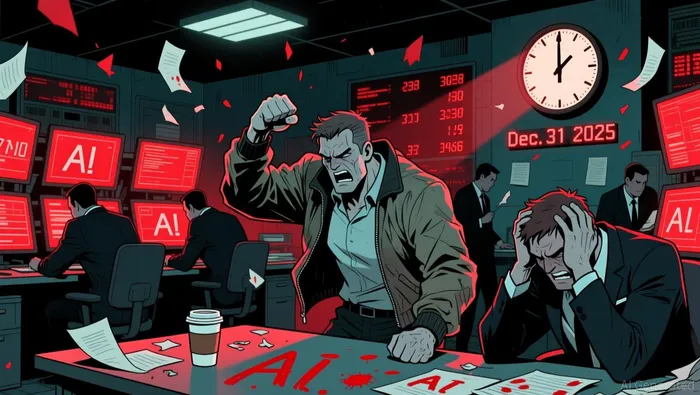 Recent weeks have seen heightened skepticism over AI venture valuation metrics, with investors prioritizing earnings visibility over speculative growth narratives. The move reflects a shift toward risk-off positioning as 2025 nears its conclusion.
Market participants remain cautious ahead of potential policy developments in AI governance, though no new regulatory frameworks were announced in the relevant time frame. The pre-market decline underscores the sector's sensitivity to macroeconomic signals, with traders likely factoring in inflationary risks and central bank policy trajectories.
Historically, sharp pre-market declines in AI equities have often reflected broader market anxieties, especially near year-end, when capital flows typically shift toward more defensive or cash-rich positions. The sector-wide selloff on Dec. 31 may be attributed to a combination of profit-taking and macroeconomic concerns, as traders prepare for year-end portfolio rebalancing.
As uncertainty in the AI sector continues to mount, investors are advised to monitor both technical indicators and macroeconomic cues for further guidance on positioning. While the immediate trajectory of AI-related stocks remains volatile, long-term fundamentals suggest that strategic entries could offer value in the coming months.

Get the scoop on pre-market movers and shakers in the US stock market.
Latest Articles
Stay ahead of the market.
Get curated U.S. market news, insights and key dates delivered to your inbox.
AInvest
PRO
AInvest
PRO



Comments
No comments yet