
The September PCE Report and Its Implications for Fed Policy and Equity Markets: A Cooler Inflation Climate Fuels Rate-Cut Hopes and Market Optimism


 Aime Summary
The Fed's Dilemma: Cooling Inflation vs. Persistent Pressures
Let's get one thing straight: 2.8% is still above the Fed's 2% target. But here's the twist-this number reflects a slight deceleration in inflation after months of stubbornly high readings. The core PCE, which strips out volatile food and energy prices, rose 0.2% monthly, aligning with the Fed's cautious optimism. The delayed release of the report-thanks to a government shutdown-only added to the drama, but the data ultimately gave Fed officials cover to act.
The Fed's playbook is clear: if inflation is trending downward, even marginally, it's time to cut rates to stoke growth. Tariffs and fiscal stimulus have kept inflation sticky, but the September report suggests the worst may be behind us. Traders are now betting on a third consecutive rate cut, with the odds of a 25-basis-point move hitting 87% according to analysis. This isn't just about lowering borrowing costs-it's about signaling confidence in the economy's ability to self-correct.
Equity Markets: Rate-Cut Hopes Ignite a Rally
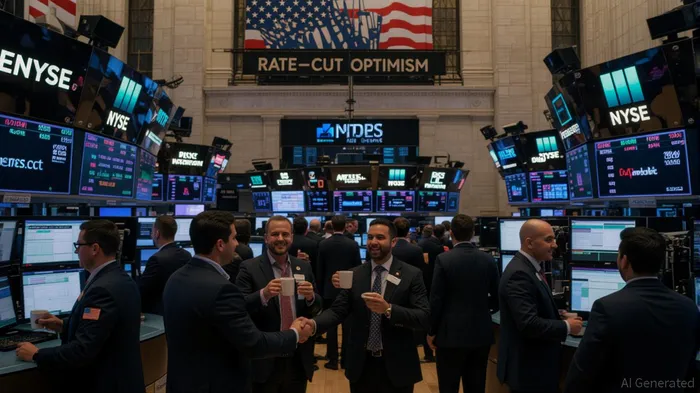
The stock market didn't waste time celebrating. The S&P 500 and Nasdaq surged toward record highs as investors flocked to sectors poised to benefit from cheaper money. Small-cap stocks, in particular, outperformed, with the Russell 2000 gaining ground as rate-sensitive industries like real estate and regional banks rallied according to market analysis.
Why the enthusiasm? Lower rates mean cheaper borrowing for companies and consumers alike. Financials, which had been dragged down by high rates, saw a rebound as bond yields dipped. Meanwhile, growth stocks-long punished by the Fed's hawkish stance-got a shot in the arm. The market's rotation into rate-sensitive sectors is a textbook reaction to Fed easing, and it's a sign that investors are betting on a more accommodative monetary policy environment.
Consumer sentiment, however, remains a mixed bag. The University of Michigan's index rose to 53.3 in December, a modest improvement but still below pre-pandemic levels. Inflation concerns and a tight labor market are keeping consumers on edge, but the dollar's slide-thanks to rate-cut expectations-has boosted exports and provided a tailwind for multinational corporations.
The Dollar's Dilemma and Global Implications
The U.S. Dollar Index (DXY) took a hit as rate-cut bets hardened, slipping below 102 for the first time in months. A weaker dollar is a double-edged sword: it makes American goods cheaper abroad, boosting corporate profits, but it also inflates import costs, keeping inflation stubbornly high. For now, though, the market is prioritizing growth over stability, and that's a green light for equities.
Emerging markets are also cheering the Fed's pivot. A less aggressive Fed means capital is flowing back to risk assets, with currencies like the Brazilian real and Mexican peso gaining traction. This isn't a "new normal," but it's enough to lift global risk appetite and support a broader market rally.
What's Next?
Here's the bottom line: the September PCE report didn't deliver a "miracle," but it gave the Fed and investors a much-needed lifeline. With inflation cooling and rate cuts on the horizon, the market is shifting into high gear. However, don't get too comfortable-tariffs and fiscal stimulus remain wild cards. The key will be whether the Fed can engineer a soft landing without reigniting inflation.
For now, the message is clear: the Fed is done fighting inflation tooth and nail. It's time to embrace the rate-cut cycle-and the market is already dancing to that tune.

Delivering real-time insights and analysis on emerging financial trends and market movements.
Latest Articles
Stay ahead of the market.
Get curated U.S. market news, insights and key dates delivered to your inbox.


AInvest
PRO
AInvest
PRO



Comments
No comments yet