
The September PCE Report and Its Implications for Equity Valuations and Central Bank Policy


 Aime Summary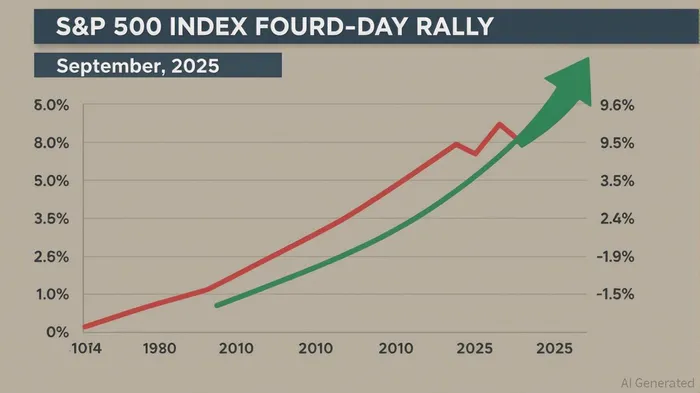
Inflation Moderation: A Mixed Signal
The September PCE report reflects a nuanced inflationary landscape. While the annual core PCE rate dipped marginally, the monthly increase of 0.2% aligns with expectations, suggesting persistent price pressures. Services inflation, a critical component of the Fed's mandate, moderated slightly to 0.2% month-over-month but was offset by surges in airfares and childcare costs. This duality underscores the challenge of disentangling transitory from structural inflationary forces.
For the Federal Reserve, the data has bolstered the case for a December rate cut. Market pricing now reflects an 87% probability of a 25-basis-point reduction, with the fed funds target potentially falling to 3.50%-3.75%. However, internal divisions persist. Inflation hawks caution against premature easing, citing a resilient labor market and the risk of inflation reaccelerating if demand outpaces supply. This tension between cooling price pressures and robust economic fundamentals will likely define the Fed's 2026 policy trajectory.
Equity Markets: Rallying on Rate-Cut Optimism
The S&P 500's four-day rally in September 2025, which saw the index climb 3.65% for the month, exemplifies the market's responsiveness to inflation moderation and rate-cut expectations. Technology stocks, buoyed by optimism around artificial intelligence and lower borrowing costs, led the charge. Real estate, consumer discretionary, and utilities also outperformed, as these sectors typically benefit from accommodative monetary policy according to market analysis.
This rally, however, has not been without caution. Analysts warn that high equity valuations and sticky inflation could create headwinds if the Fed's easing path proves insufficient to align with market expectations. For instance, Goldman Sachs projects a gradual 2026 easing cycle, with potential pauses in early 2026 followed by cuts in March and June, targeting a terminal rate of 3-3.25%. Such a scenario would likely sustain risk appetite but could also test investor patience if inflation lingers above 2% or growth disappoints.
2026 Outlook: Balancing Act for the Fed and Markets
Looking ahead, the September PCE data has reinforced a consensus that the Fed will adopt a cautious, data-dependent approach in 2026. The FOMC's September 2025 Summary of Economic Projections forecasts core PCE inflation declining to 2.0% by 2027, with the federal funds rate projected to stabilize at 3.1% by 2028. This trajectory assumes a gradual cooling of inflation and a soft landing for the economy, though risks remain.
For equity markets, the interplay between rate cuts and economic growth will be critical. A well-timed easing cycle could lower borrowing costs, stimulate corporate investment, and support earnings growth. However, as the Congressional Budget Office notes, structural headwinds-including reduced net immigration and higher tariffs-could temper growth, even as the 2025 reconciliation act provides some offset. Investors must also contend with the possibility of a "hawkish pause" if labor market data resurges or inflation proves more persistent than anticipated.
Conclusion
The September PCE report has provided a mixed but ultimately encouraging signal for the Fed's 2026 policy roadmap. While inflation remains above target, the moderation in core PCE and the market's enthusiastic response to rate-cut expectations suggest a pivot toward accommodative policy is gaining traction. For equity investors, the key will be balancing optimism about lower rates with vigilance against inflationary surprises and structural economic shifts. As the Fed navigates this delicate balancing act, markets will remain attuned to data releases and policy signals, with the S&P 500 and other indices serving as barometers of confidence in the central bank's ability to engineer a soft landing.

Delivering real-time insights and analysis on emerging financial trends and market movements.
Latest Articles
Stay ahead of the market.
Get curated U.S. market news, insights and key dates delivered to your inbox.






Comments
No comments yet