
Senators Propose Ending 10-20% Wind Solar Tax in Senate Bill
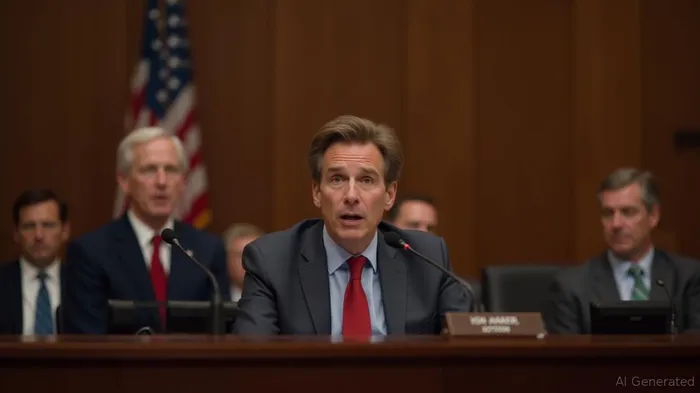
Republican Senators Joni Ernst, Chuck Grassley, and Lisa Murkowski have introduced an amendment to the US Senate’s tax and spending bill. The amendment aims to eliminate a proposed tax on wind and solar projects scheduled to commence after 2027. Additionally, it seeks to modify the application of clean energy tax credits, basing them on the commencement of project construction rather than operational readiness.
The amendment targets two of the bill’s most contentious provisions, potentially offering relief to renewable energy projects currently under scrutiny in the draft legislation being debated in the Senate. The proposal will be considered during the “vote-a-rama” session, a series of votes on amendments to President Donald Trump’s tax-and-spending bill.
Senators Ernst and Grassley, representing Iowa, a state that derives over 60% of its electricity from wind power, are leading this effort. Other Republican senators are also expected to support the amendment. This move comes as the Senate begins voting on a lengthy list of changes to the bill, providing a final opportunity for advocates from both political parties to push for modifications.
The Senate bill, if passed, would reverse incentives for wind, solar, batteries, and other clean technologies established by President Joe Biden in the 2022 Inflation Reduction Act. It would also impose a new tax on these projects if they cannot prove that their components are not made in China. These provisions are stricter than those in previous Senate and House versions of the bill.
The energy analysis firm the Rhodium Group estimates that the excise tax on wind and solar energy would increase their cost by 10-20%, in addition to the loss of tax credits. Consumers would bear these additional costs, according to Rhodium.
The bill has faced strong opposition from industry and labor groups, with critics warning of potential power shortages, rising prices, and job losses. Neil Bradley, an executive vice president and chief policy officer, highlighted that taxing energy production, whether for oil and gas or renewable sources, is detrimental. He argued that the electricity demand is expected to grow significantly, and this tax will raise prices, necessitating its elimination.
Elon Musk, CEO of TeslaTSLA--, also criticized the bill, stating that it would harm America and threaten the progress of energy-intensive technologies. Conservative energy expert Alex Epstein, who advocates for ending green tax credits, expressed surprise at the excise tax, stating that it is not something he would support.
The US Chamber of Commerce also condemned the tax, with Neil Bradley noting that axing energy production is never good policy. He emphasized that the tax should be removed to prevent price increases due to growing electricity demand. The renewable energy industry, manufacturing unions, and some conservatives have also criticized the new tax, highlighting the potential negative impacts on their states from canceled projects, job losses, and rising energy costs.

Stay ahead of the market.
Get curated U.S. market news, insights and key dates delivered to your inbox.






Comments
No comments yet