
Senator Warren Warns CLARITY Bill May Allow Companies to Evade SEC Oversight
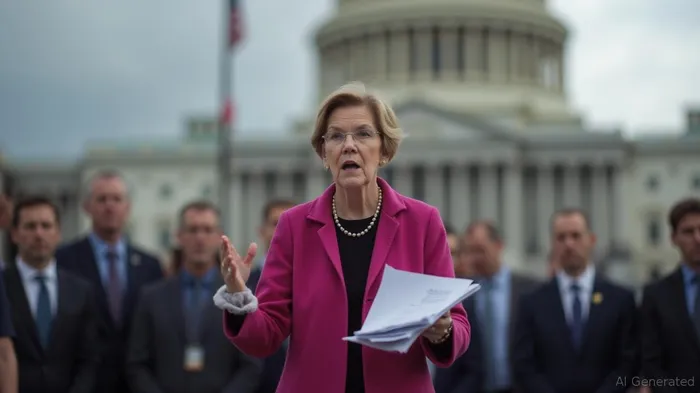
Senator Elizabeth Warren of Massachusetts has raised concerns about the potential impact of the US CLARITY bill, currently under consideration, on the regulatory landscape for publicly traded companies. The bill, if passed, could allow non-crypto companies, such as TeslaTSLA-- and MetaMETA--, to tokenize their assets and place them on the blockchain, thereby evading the oversight of the US Securities and Exchange Commission (SEC).
During a Senate Banking Committee hearing, Senator Warren expressed her support for digital asset regulations that strengthen the US financial system. However, she voiced apprehension about the CLARITY Act, which is being considered in the House of Representatives. She suggested that the bill could enable publicly traded companies to bypass SEC regulations by simply tokenizing their assets and placing them on the blockchain. This move would allow these companies to escape the stringent oversight of the SEC, raising significant concerns about market integrity and investor protection.
Senator Warren's concerns highlight the potential loopholes in the CLARITY bill, which could undermine the SEC's ability to regulate financial markets effectively. The implications of this legislation are far-reaching, as it could set a precedent for other companies to follow suit, further complicating the regulatory landscape for financial markets. The debate surrounding the CLARITY bill underscores the ongoing tension between innovation and regulation in the financial sector, with stakeholders on both sides advocating for their respective interests.
Senator Warren also questioned the potential influence of Meta over lawmakers weighing the GENIUS Act, as the company has previously announced plans for its own stablecoin. The GENIUS Act, along with legislation to restrict the development of a US central bank digital currency (CBDC), is expected to be under consideration in the House starting on Monday. The hearing marked one of the first times lawmakers in the Senate addressed a crypto market structure bill after its leadership set a September goal to pass the legislation.
Ripple CEO Brad Garlinghouse and former members of the Commodity Futures Trading Commission (CFTC) testified, offering their thoughts on Congress’ approach to digital assets. Garlinghouse emphasized the importance of a smart regulatory framework for crypto market structure to realize the future of the crypto economy. Richard Painter, a former chief White House ethics lawyer invited to speak by Warren, added that lawmakers with conflicts of interest in the cryptocurrency industry should divest from crypto if they are to regulate it effectively. Both Warren and Painter specifically called out US President Donald Trump for his ties to the cryptocurrency industry, including through his family-backed business World Liberty Financial and the launch of his memecoin, Official Trump (TRUMP).
Senator Warren accused Republicans of delivering an “industry handout” in response to crypto lobbyists and refusing to address what she called Trump’s “corruption” from the industry. The debate surrounding the CLARITY bill highlights the complex interplay between regulatory oversight and technological innovation in the financial sector, with stakeholders advocating for their respective interests. The outcome of this debate will have significant implications for the future of financial regulation and market integrity in the US.

Stay ahead of the market.
Get curated U.S. market news, insights and key dates delivered to your inbox.
AInvest
PRO
AInvest
PRO



Comments
No comments yet