
Senator Lummis Reintroduces BITCOIN Act for National Bitcoin Reserve
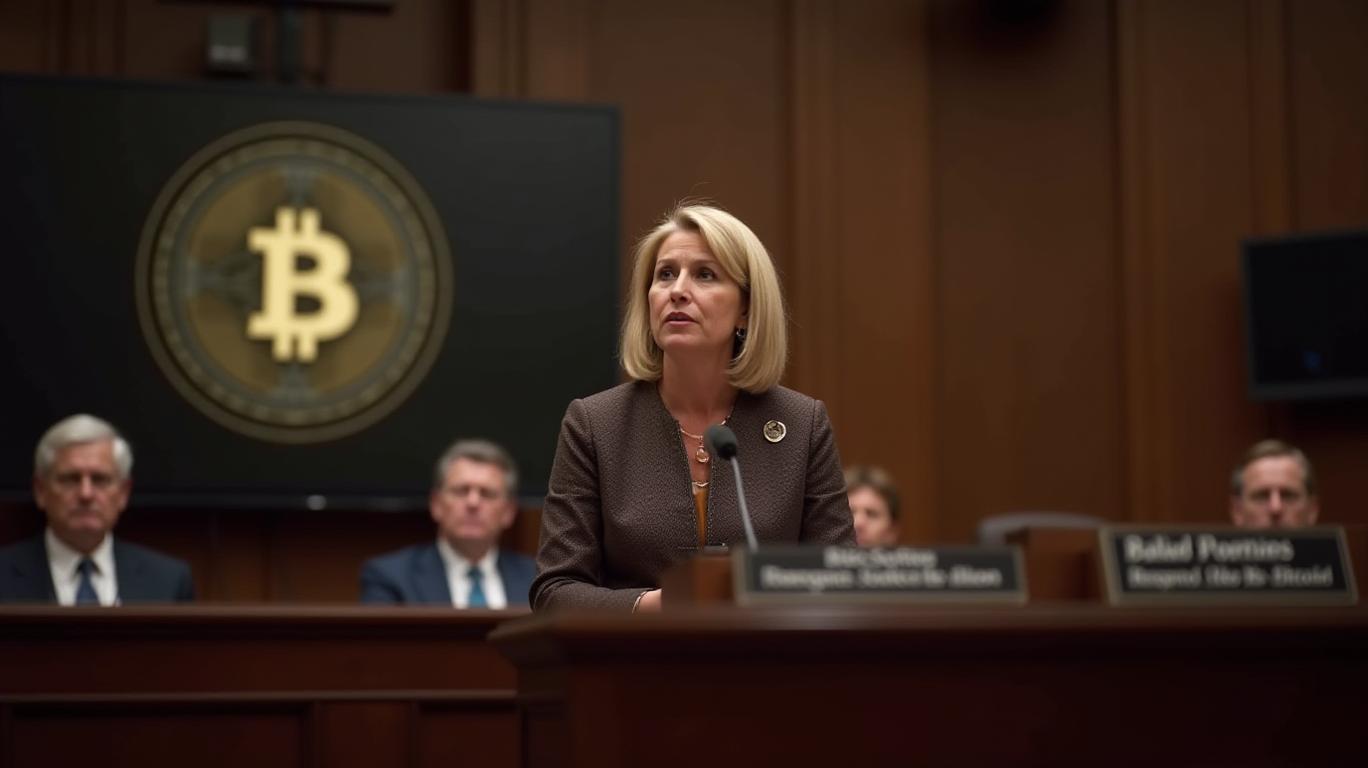
Senator Cynthia Lummis has reintroduced the Boosting Innovation, Technology, and Competitiveness through Optimized Investment Nationwide Act in the U.S. Senate, signaling a significant push for financial innovation in the United States. The legislation aims to establish a Strategic Bitcoin Reserve, positioning bitcoin as a national asset akin to gold. This reserve is intended to bolster financial security, diversify U.S. holdings, and provide a hedge against economic instability.
The BITCOIN Act represents a groundbreaking fusion of technological innovation and national financial strategy. For the first time, the U.S. government is formally committing to a long-term bitcoin investment through executive and legislative action. The bill builds upon President Trump’s executive order, which laid the groundwork for a Strategic Bitcoin Reserve. With the reintroduction of the BITCOIN Act, the U.S. Congress is moving to solidify this initiative into law, ensuring bitcoin’s place as a permanent and strategic asset for the nation.
The proposed bitcoin reserve would be securely held in government-operated storage facilities across the country, protected by top-tier cybersecurity protocols and subject to regular audits. The U.S. government would acquire up to 1 million bitcoin over five years, purchasing 200,000 bitcoin annually. These assets must be held for a minimum of 20 years before any sale can be considered. The bill mandates regular public audits and the implementation of a cryptographic proof of reserve system to ensure transparency and security. Bitcoin already held by federal agencies through seizures will be transferred into the reserve instead of liquidated.
The legislation also provides an option for state-level participation, allowing U.S. states to store their bitcoin in separate accounts within the Federal Reserve while maintaining ownership. This initiative will be funded by Federal Reserve funds, utilizing excess earnings and adjustments to gold certificate valuations. This approach ensures no additional tax burden on citizens and aligns with President Trump’s executive order to acquire bitcoin through “budget-neutral” methods. The overall economic strategy aims to bolster U.S. financial stability, positioning bitcoin as a hedge against inflation and monetary instability. The BITCOIN Act explicitly protects private property rights, ensuring that privately owned Bitcoin cannot be seized under this program. This reinforces individual financial sovereignty and control.
Senator Lummis emphasized that the BITCOIN Act is not merely about adopting a new financial instrument but about securing America’s financial sovereignty for the future. The bill has gained strong support from key Senate Republicans, including Sens. Jim Justice, Tommy Tuberville, Roger MarshallJMSB--, Marsha Blackburn, and Bernie Moreno. Rep. Nick Begich introduced a companion bill in the House of Representatives. Democratic response has been mixed, with Senator Elizabeth Warren criticizing the focus on bitcoin while Rep. Ro Khanna acknowledging its potential role in a diversified economic strategy.
The private sector has reacted enthusiastically, with prominent figures like Michael Saylor, CEO of Strategy, advocating for increased government bitcoin acquisitions. Saylor suggested that the U.S. government should aim to hold up to 25% of Bitcoin’s total supply by 2035. With an executive order and a legislative bill in place, the United States is considering committing to bitcoin as a strategic reserve asset. The question remains whether the Senate and House will successfully pass the legislation and cement Bitcoin’s role in America’s long-term financial strategy.

Stay ahead of the market.
Get curated U.S. market news, insights and key dates delivered to your inbox.




Comments
No comments yet