
Senator Lummis Proposes Tax Exemption for Bitcoin Payments Below $300
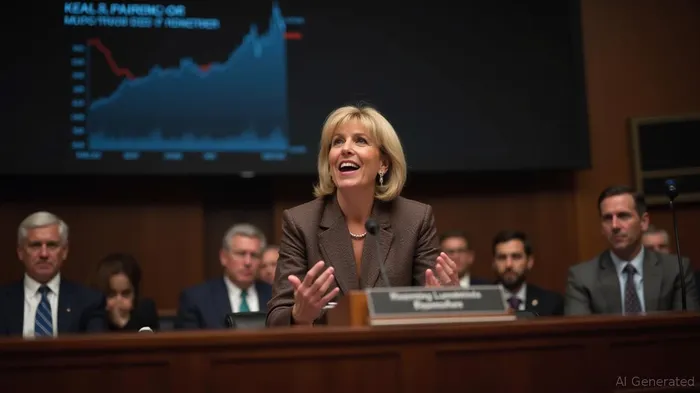
Senator Cynthia Lummis has introduced a bill that proposes to exempt BitcoinBTC-- payments below $300 from taxes. This legislation is designed to promote the use of digital assets as a form of currency in the United States. By simplifying the tax treatment of small transactions, the bill aims to encourage broader adoption of Bitcoin and address compliance challenges.
The proposed bill is part of Lummis' broader efforts to modernize cryptocurrency regulations, recognizing the potential of Bitcoin beyond its speculative uses. The reform is expected to generate $600 million in revenue by enhancing transaction efficiency. This move aligns with historical precedents of de minimis exemptions, which have been used to facilitate smoother processing of small transactions. The government's willingness to adapt regulatory frameworks for digital coins is evident in this proposal.
Lummis emphasized that the bill is intended to make crypto more usable as a real currency, rather than just a speculative asset. She noted that people should not have to calculate capital gains for everyday purchases, such as buying a sandwich. The legislation includes provisions to exempt crypto lending from taxes and to defer taxes on income generated from crypto mining and staking until the tokens are sold. This approach aims to simplify the tax treatment of digital assets and align it more closely with the realities of the digital economy.
The bill also applies the typical 30-day wash rule to digital assets, closing a loophole that has allowed crypto investors to sell tokens at a loss and then quickly repurchase them while still claiming a tax deduction. Additionally, crypto dealers and traders would benefit from mark-to-market treatment under the proposed rules. This means that crypto holdings could be considered as if they were sold at market price at the end of the year for tax purposes, allowing individuals to claim losses that can then be deducted from their taxes. This provision is designed to provide greater flexibility and fairness in the tax treatment of digital assets.
The legislation comes at a time when Congress is increasingly focused on establishing a comprehensive regulatory framework for digital assets. The Senate recently passed a bill to establish a regulatory framework for stablecoins, and House panels have advanced both stablecoin legislation and broader crypto market oversight measures. The lower chamber is expected to take up these crypto bills later this month, indicating a growing momentum for digital asset regulation.
Despite the bill's exclusion from President Trump’s sweeping tax and spending bill, which passed out of the Senate without the crypto tax provisions, Lummis' proposal enters the legislative landscape at a favorable moment. The bill's focus on practical, real-world applications of digital technologies and its aim to reduce bureaucratic red tape make it a notable contribution to the ongoing debate on digital asset regulation.

Stay ahead of the market.
Get curated U.S. market news, insights and key dates delivered to your inbox.


AInvest
PRO
AInvest
PRO



Comments
No comments yet