
Senator Lummis Proposes Crypto as Mortgage Collateral in 21st Century Act
 Aime Summary
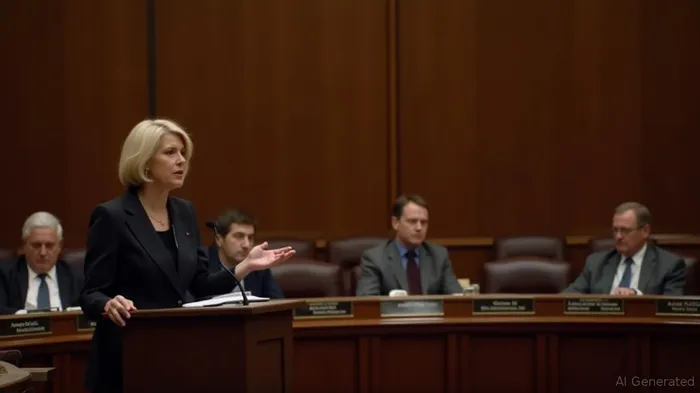
Senator Cynthia Lummis has introduced the 21st Century Mortgage Act, a legislative proposal that seeks to include digital assets as part of mortgage eligibility criteria without requiring borrowers to convert them into U.S. dollars [1]. The bill targets government-backed lenders like Fannie Mae and Freddie Mac, urging them to recognize cryptocurrency holdings as valid collateral during mortgage application reviews [1]. This move is intended to modernize lending standards and reflect how younger Americans, particularly those under 35, are increasingly building wealth through digital assets [1].
According to Lummis, digital assets are no longer on the fringes of finance and should be formally integrated into the financial system. The bill aims to transform existing informal guidance from the Federal Housing Finance Agency (FHFA) into binding law, ensuring a consistent and serious application [1]. A policy expert from the Digital Asset Policy Alliance emphasized that many young investors are managing their wealth through crypto, yet traditional banking systems do not recognize these assets, limiting their access to mortgage financing [1].
The bill also highlights a growing shift in how generations build and manage wealth. U.S. Census Bureau data shows that only 36.6% of Americans under 35 own homes—a 40-year low—while 21% of U.S. adults now hold digital assets [1]. By incorporating crypto into mortgage eligibility, the legislation aims to provide a more accurate and inclusive financial evaluation for younger borrowers.
However, the proposal has drawn significant criticism. Lawmakers such as Elizabeth Warren and Bernie Sanders have expressed concerns over the volatility and speculative nature of digital assets, warning that their inclusion in mortgage evaluations could destabilize the housing market [1]. They argue that crypto's unpredictable value, susceptibility to fraud, and illiquidity pose serious risks, particularly in downturns when asset values could plummet rapidly [1]. These concerns highlight the broader debate over how digital assets should be treated within the regulatory and financial frameworks.
Despite the opposition, some experts remain cautiously optimistic. Sarah Montoya, a housing economist at BlockFi Research, acknowledges that the bill signals a shift in the housing finance system. She suggests that with the right safeguards, the inclusion of crypto in mortgage assessments could make home loans fairer without creating new risks for lenders [1]. However, the bill faces political challenges, as Congress remains deeply divided on the role of digital assets in traditional finance [1].
The success of the 21st Century Mortgage Act will depend on Congress’s ability to define clear standards for what constitutes a trustworthy digital asset and how it should be evaluated within the context of mortgage lending [1]. If passed, it could mark a significant step toward integrating modern finance with traditional lending systems, potentially expanding homeownership opportunities for a new generation of investors [1].
---
[1] Source: [Crypto Meets Mortgages: Senator Lummis Pushes Bill to Count Bitcoin as Loan Collateral](https://coinmarketcap.com/community/articles/688b7eef680c444f8ca7e96d/)

Stay ahead of the market.
Get curated U.S. market news, insights and key dates delivered to your inbox.


AInvest
PRO
AInvest
PRO



Comments
No comments yet