
Senator Lummis Introduces Bill to Exempt 300% Capital Gains on Crypto Transactions
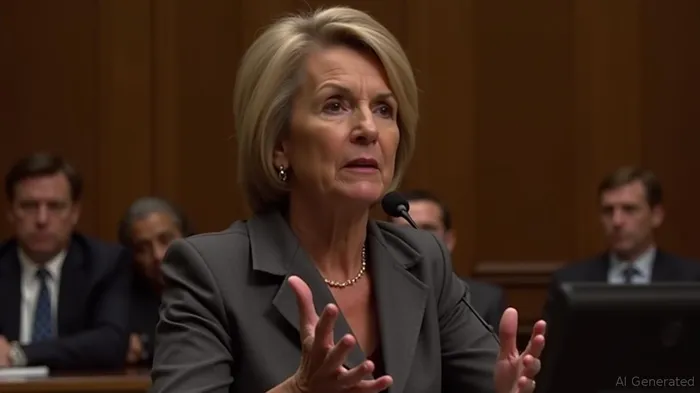
Senator Cynthia Lummis has introduced a new legislative proposal aimed at updating the United States’ tax framework for digital assets. This move comes after the exclusion of crypto provisions from the latest federal budget. The proposal seeks to address the mounting tax burden on everyday crypto users and blockchain innovators by carving out specific exemptions for common crypto-related activities. Among the bill’s headline proposals is a de minimis capital gains exemption of $300 per transaction, with a $5,000 annual limit, allowing users to make everyday purchases with crypto without triggering tax reporting obligations.
In a statement, Senator Lummis described the bill as “groundbreaking” and designed to bring common sense and clarity to how digital assetDAAQ-- activity is taxed in the United States. The bill also proposes deferring taxes on mining and staking rewards until the earned digital assets are sold, addressing long-standing complaints that the current tax code unfairly penalizes miners and proof-of-stake validators. Additionally, the bill would exempt crypto lending agreements and digital assets donated to charity from taxation, aligning them more closely with traditional asset treatment.
This proposal represents Senator Lummis’ latest attempt to deliver on promises made to the cryptocurrency community after crypto-specific tax provisions were left out of the most recent Congressional budget negotiations. Despite bipartisan support for modernizing crypto regulations, the final budget bill moved forward without language addressing the treatment of digital assets. Without a legislative vehicle attached to broader government funding, Lummis’ standalone draft bill now becomes the most realistic path forward for immediate pro-crypto tax reform.
The US crypto community has grown increasingly frustrated over what they describe as “double taxation” and inconsistent treatment of digital assets across jurisdictions and use cases. One of the most contentious issues revolves around decentralized finance (DeFi) protocols, which operate autonomously and without custodians. Under current interpretations of IRS guidance, users interacting with such protocols could be subject to the same reporting requirements as centralized platforms, despite the lack of a centralized counterparty. This has led to confusion and compliance challenges for retail and institutional users alike.
In a related development, members of the House Financial Services Committee recently proposed an amendment to the Digital Asset Market Clarity Act of 2025, aiming to exempt developers of decentralized protocols from being classified as money transmitters. This exemption would shield them from burdensome tax reporting rules that currently apply to centralized exchanges. If passed in conjunction with Lummis’ tax bill, the pair of reforms could mark a turning point in how the US treats decentralized platforms, potentially positioning the country as a friendlier jurisdiction for Web3 innovation.
Meanwhile, a new report from the US Treasury Inspector General for Tax Administration (TIGTA) has revealed major shortcomings in how the Internal Revenue Service Criminal Investigation division (IRS-CI) manages the seizure and custody of digital assets. The watchdog’s report highlights repeated failures by IRS-CI personnel to comply with established protocols for handling confiscated cryptocurrencies between December 2023 and January 2025. The findings raise red flags at a time when the federal government holds one of the largest cryptocurrency stockpiles in the world.
According to TIGTA’s audit, IRS-CI agents failed to complete or update required seizure memorandums, which are meant to document key details of confiscated digital assets, including wallet addresses, transaction dates, and amounts. The absence of such documentation has left gaps in the official record and raised questions about transparency and accountability. The watchdog emphasized that this failure was not isolated to a single incident but represented a pattern of negligence over a 14-month period.
TIGTA's evaluation identified several critical recommendations to fix the deficiencies, all of which were agreed to by IRS-CI leadership. These include ensuring IRS-CI personnel understand and adhere to seizure memorandum requirements, establishing a robust inventory management system to accurately track seized digital assets by quantity, address, and type, and updating internal guidelines to include time frame requirements for preparing seizure memos and for timely updating the inventory system. These reforms, if implemented effectively, could mark a significant shift in how the federal government manages one of the most sensitive and valuable categories of criminally seized assets: cryptocurrency.
The report comes at a pivotal moment in US crypto policy. Under President Donald Trump’s renewed term, the administration has revived discussions around establishing a national Bitcoin reserve using digital assets confiscated in criminal cases. While White House officials have floated the idea of converting these holdings into strategic digital reserves, others have proposed alternative acquisition methods, including imposing crypto tariffs or revaluing gold certificates. Regardless of the acquisition method, safe custody of digital assets is a prerequisite for such plans, making the IRS’ missteps particularly alarming.

Stay ahead of the market.
Get curated U.S. market news, insights and key dates delivered to your inbox.






Comments
No comments yet