
Senator Cruz Introduces FLARE Act to Repurpose Flared Gas for Bitcoin Mining
Senator Ted Cruz has introduced the FLARE Act, a legislative proposal aimed at repurposing Flared Gas, a byproduct of oil extraction, for Bitcoin mining operations. This initiative seeks to address the high energy consumption associated with Bitcoin mining and promote cleaner energy use within the crypto space. The proposal comes at a time when crypto regulation is a contentious issue in Washington, sparking debates about its potential to transform the industry.
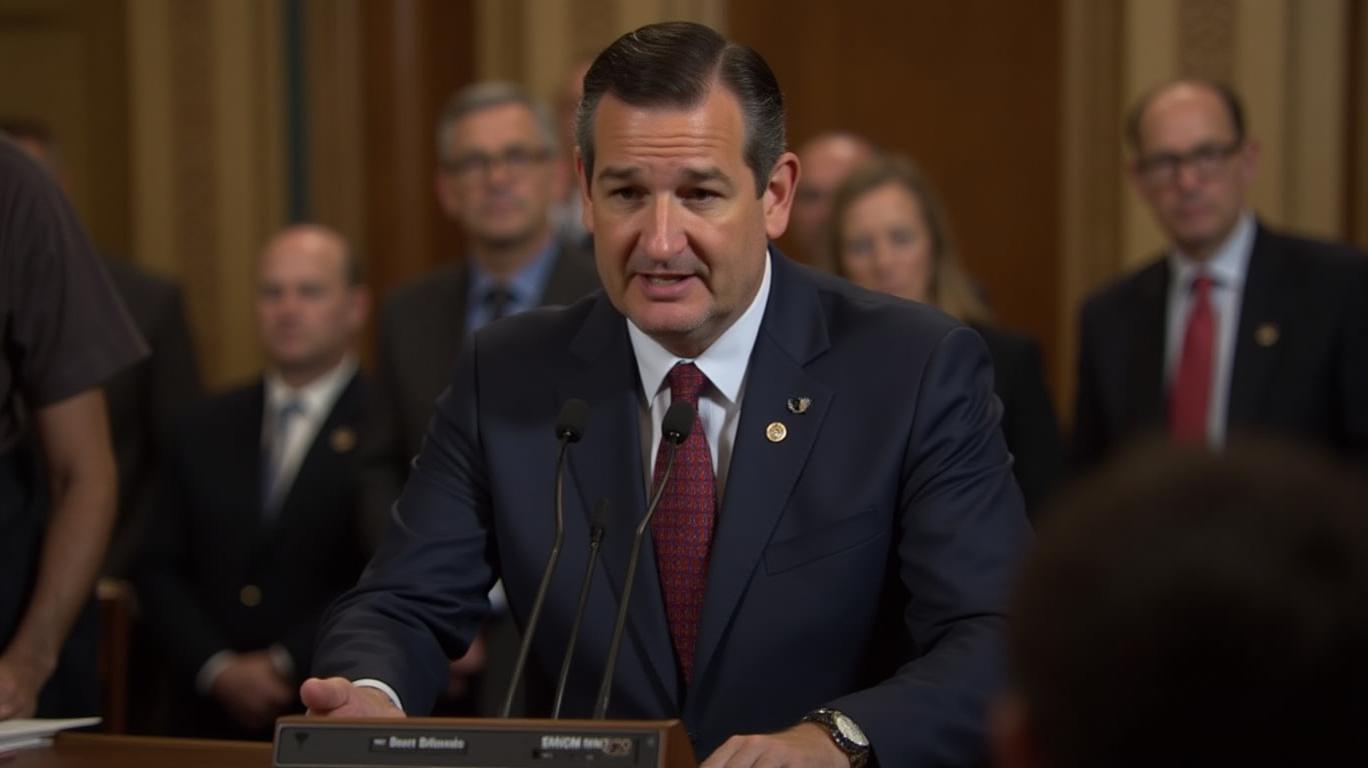
During a recent press conference, Senator Cruz highlighted that the FLARE Act is designed to convert wasted energy into economic opportunities. Instead of flaring excess gas into the atmosphere, the bill proposes repurposing it for productive use, such as powering Bitcoin mining facilities. Key aspects of the FLARE Act include incentivizing oil and gas companies to sell unused gas to Bitcoin miners, reducing carbon emissions by utilizing waste energy, and strengthening the U.S. position as a global leader in crypto-friendly energy policies.
Supporters of the FLARE Act argue that it aligns with the growing demand for crypto regulation. However, there are lingering questions about whether energy firms and lawmakers will fully endorse the initiative. The crypto community has responded with mixed reactions. Bitcoin advocates praise the bill for its potential to mitigate environmental concerns while supporting the mining industry. A prominent mining firm executive expressed enthusiasm, stating that this type of energy innovation is crucial for securing Bitcoin’s future. Conversely, environmental activists caution that incentivizing Bitcoin mining with Flared Gas could prolong reliance on fossilFOSL-- fuels rather than encourage the adoption of renewable energy sources.
Hailey Miller, Director of Government Relations & Public Policy at the Digital Power Network, praised the new bill, emphasizing that Bitcoin miners are uniquely positioned to help reduce emissions by harnessing stranded and wasted energy sources. Miller added that the FLARE Act ensures that American energy producers have the tools to deploy cutting-edge solutions that make energy markets more efficient and resilient. The Act would amend the Internal Revenue Code of 1986 to provide for permanent full expensing for property used to capture gas that would otherwise be flared or vented and to use such gas in value-added products.
On the regulatory side, lawmakers remain divided. Some view the FLARE Act as a step toward responsible crypto regulation, ensuring that Bitcoin operations use energy more efficiently. Others express concern that providing incentives to mining companies could lead to increased fossil fuel dependency. The future of Bitcoin mining under the FLARE Act is uncertain. While the proposal has gained traction among crypto advocates, its long-term impact remains to be seen. As debates over crypto regulation continue, the progress of the FLARE Act will be closely monitored by both the crypto and energy sectors.

Stay ahead of the market.
Get curated U.S. market news, insights and key dates delivered to your inbox.






Comments
No comments yet