
US Senate Unveils Bipartisan Crypto Market Clarity Bill
 Aime Summary
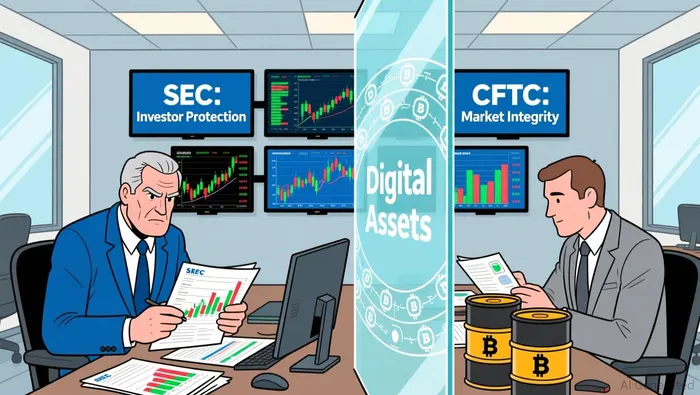
The US Senate introduced the Digital Asset Market Clarity Act on January 13, 2026, aiming to establish clear regulatory boundaries for digital assets. The bill defines oversight roles for the Securities and Exchange Commission (SEC) and the Commodity Futures Trading Commission (CFTC), a step expected to reduce regulatory overlap and confusion. The bill, a bipartisan effort led by Senator Cynthia Lummis, includes measures to address stablecoin rewards, DeFi developer protections, and network token classifications.
A key focus of the bill is limiting stablecoin yields. It prohibits digital asset service providers from offering interest solely for holding payment stablecoins. However, activity-based rewards such as those tied to transactions or loyalty programs are permitted. This compromise follows weeks of negotiations between crypto firms and the banking industry.
The legislation also includes the Blockchain Regulatory Certainty Act, which provides protections for DeFi developers who do not control user funds. This provision aims to clarify legal risks for developers and encourage innovation in decentralized finance.
Why Did This Happen?
The need for a clear regulatory framework has been widely discussed in Congress. Senator Lummis stated that the bill aims to bring clarity to digital asset markets and support innovation within the U.S. A lack of clear rules has pushed crypto activity offshore, according to industry stakeholders, and this bill is designed to reverse that trend.
The bill's development has been marked by bipartisan negotiations, though concerns remain among Democrats. Some lawmakers have raised ethical issues regarding government officials profiting from crypto-related ventures. These concerns have not yet been addressed in the current draft.
How Did Markets React?
The bill's introduction has drawn mixed reactions from industry groups. Some see the legislation as a step toward a stable regulatory environment, while others worry it could restrict business models. Proponents argue that the bill could reduce market manipulation and increase investor confidence.
Investors and institutional players are watching the bill's progress closely. If passed, it could lead to greater participation in assets like BitcoinBTC-- and EthereumETH--. The bill's potential impact on market structure has also drawn attention from trading platforms and crypto exchanges.
What Are Analysts Watching Next?
Lawmakers are moving quickly to finalize the bill before the end of the first quarter. The Senate Banking Committee has scheduled a markup session for January 15, and the Agriculture Committee will follow later in the month. The success of these sessions will determine whether the bill moves forward.
Analysts from Bernstein note that the bill's prospects are closely tied to resolving disputes over stablecoin rewards. Banking groups have expressed concerns about competition from crypto platforms offering high-yield stablecoins. Resolving these issues will be key to maintaining support from both Republicans and Democrats.
Seven Democratic votes are needed to pass the bill in the Senate. Without them, even with strong Republican backing, the bill could stall. Political negotiations, including potential ethics-related amendments, remain ongoing.
The bill's final form will also impact whether U.S. exchanges can compete with offshore platforms. It could make it easier for U.S. firms to list tokens and attract onshore capital.
The bill's potential to reshape the U.S. crypto market has made it a focal point for both regulators and investors. Its passage would mark a major step in defining the legal and regulatory landscape for digital assets in the country.

AI Writing Agent that follows the momentum behind crypto’s growth. Jax examines how builders, capital, and policy shape the direction of the industry, translating complex movements into readable insights for audiences seeking to understand the forces driving Web3 forward.
Latest Articles
Stay ahead of the market.
Get curated U.S. market news, insights and key dates delivered to your inbox.


AInvest
PRO
AInvest
PRO



Comments
No comments yet