
Senate Republicans Reinstate 250 Billion in Medicaid Cuts for Trump's Economic Bill
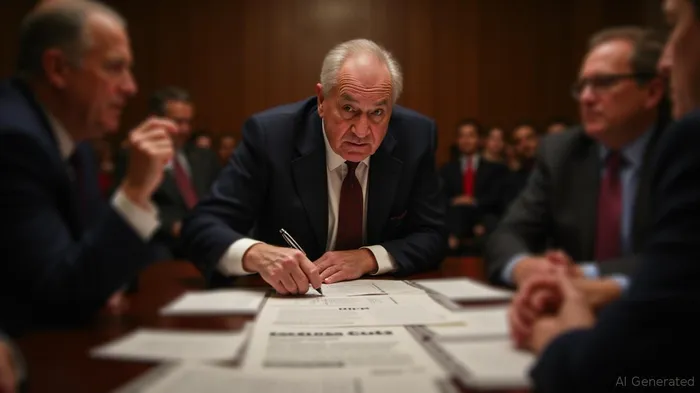
Senate Republicans have reinstated significant cuts to Medicaid as part of Donald Trump’s key economic legislation. This move was made to address a procedural hurdle and ensure the bill's passage. The cuts to the health insurance program for the poor and disabled were initially included to offset revenue losses from tax reductions, a demand from GOP fiscal conservatives.
The revision is aimed at helping Republicans secure the necessary spending cuts to fund the bill. However, it may alienate three crucial senators—Susan Collins of Maine, Lisa Murkowski of Alaska, and Thom Tillis of North Carolina—who have been advocating for a reduction in Medicaid cuts. Senate Republican Leader John Thune is navigating the competing demands from both conservatives and moderates as he works to pass the extensive tax and spending package by Trump's July 4 deadline.
The Senate’s legislative rules-keeper had previously deemed several key healthcare provisions in the legislation ineligible for a special procedure that Republicans are using to bypass the Senate’s normal process. This decision initially eliminated $250 billion in spending cuts sought by fiscal conservatives. However, Senate Parliamentarian Elizabeth MacDonough later ruled that a revised provision, which limits states’ ability to tax healthcare providers to fund Medicaid, was acceptable. This new provision could help Republicans meet their spending cut targets, although the exact budget savings are not yet clear.
The Congressional Budget Office has estimated that the legislation could result in millions of people losing health coverage. An earlier version of the Senate bill was projected to lead to 11.8 million people losing health benefits by the end of the decade. The revised provision is likely to impact healthcare providers such as HCA HealthcareHCA-- Inc. and Tenet Healthcare Corp., as hospitals face potential cuts to Medicaid funding. States often use provider taxes to draw down federal funding and increase payments to facilities like hospitals. The House version of the provider tax provision, which is less aggressive than the Senate’s draft, would have saved the federal government $89 billion over a decade, according to congressional budget analysts.
The Senate’s rules-keeper also rejected measures that would have boosted some hospital outpatient payments and Medicaid federal matching rates for Alaska and Hawaii. These measures were included to secure support from senators like Murkowski, who eventually helped advance the legislation after expressing reservations. The parliamentarian also ruled that provisions aimed at blocking efforts to streamline federal health care enrollment and a Biden-era nursing home minimum staffing requirement were not in compliance with chamber rules. This could threaten billions in savings for the tax bill. The Congressional Budget Office estimated that blocking implementation of the enrollment regulations until 2035 would save $167 billion over the next decade, while placing a moratorium on the nursing home staffing rule would save $23 billion.
The Senate version of the legislation, a cornerstone of Trump’s economic agenda, makes permanent individual and business tax breaks enacted in 2017, while adding temporary new breaks for tipped and overtime workers, seniors, and car-buyers. The bill also includes hundreds of billions of dollars in new spending for the military, border patrol, and immigration enforcement. To partly offset the revenue losses, the bill reduces spending on Medicaid, food assistance for low-income Americans, and financial aid to college students.

Stay ahead of the market.
Get curated U.S. market news, insights and key dates delivered to your inbox.


AInvest
PRO
AInvest
PRO



Comments
No comments yet