
Senate Rejects Stablecoin Bill Over Political Divide
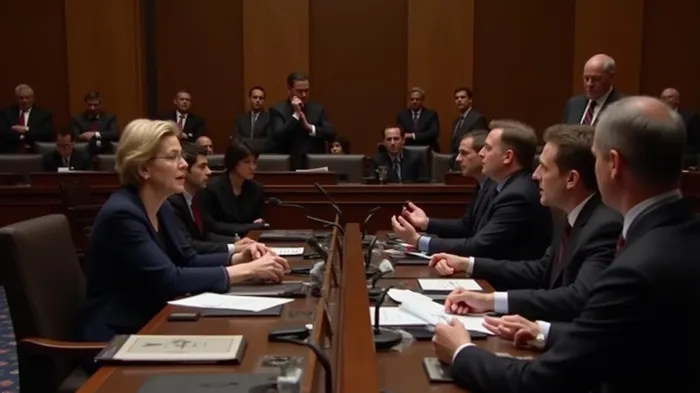
The U.S. Senate recently rejected the "Stablecoin Innovation and Safety Act" (GENIUS Act) with a narrow vote of 48-49. The bill, which aimed to establish the first regulatory framework for the issuance of stablecoins in the United States, required 60 votes to proceed to a final Senate vote. Republicans, who hold a slim majority of 53-47, were unable to secure the necessary support due to the collective opposition from Democratic senators.
Democrats pushed for specific provisions in the bill, including a ban on executive officials, such as Trump and his family members, from holding or trading in cryptocurrency. They also advocated for strengthened anti-corruption clauses. According to sources familiar with the matter, after committee approval, the bill was modified to include retaining states' regulatory authority over foreign-issued stablecoins and expanding the scope of monitoring suspicious transactions by stablecoin users.
The failure of the GENIUS Act highlights the ongoing political divide in the United States regarding cryptocurrency regulation. Democrats' insistence on including provisions to ban certain individuals from cryptocurrency activities and their emphasis on anti-corruption measures indicate a broader concern about the potential misuse of digital assets by high-profile figures. This stance reflects a cautious approach to integrating cryptocurrencies into the financial system, prioritizing transparency and accountability.
The rejection of the bill also underscores the challenges in achieving bipartisan consensus on regulatory frameworks for emerging technologies. The slim Republican majority in the Senate and the Democrats' demands for additional safeguards created a stalemate, preventing the bill from advancing. This outcome suggests that future legislative efforts to regulate stablecoins and other cryptocurrencies will need to address the concerns of both parties to gain sufficient support.
Moving forward, the debate over cryptocurrency regulation in the United States is likely to continue, with lawmakers seeking a balance between innovation and oversight. The failure of the GENIUS Act serves as a reminder of the complexities involved in crafting comprehensive regulatory frameworks for digital assets, and the need for ongoing dialogue and compromise between political parties.

Stay ahead of the market.
Get curated U.S. market news, insights and key dates delivered to your inbox.






Comments
No comments yet