
Senate Rejects AI Regulation Moratorium, AI Cryptoassets Drop 5%
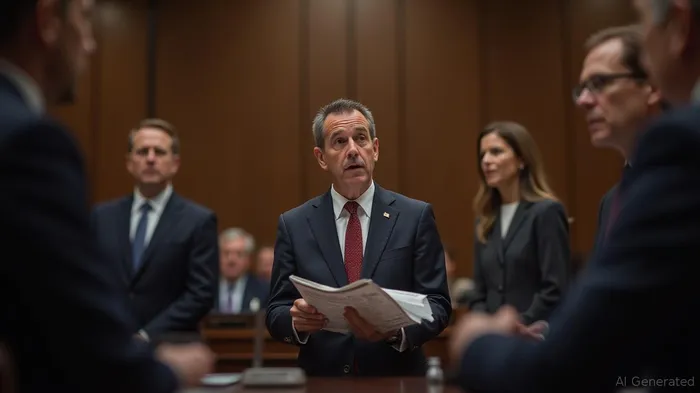
The Senate has decisively rejected a proposed 10-year AI regulation moratorium, signaling significant legislative resistance to unchecked AI development. This move underscores a cautious approach toward AI governance, reflecting widespread apprehension about limiting states’ ability to regulate AI-related activities, especially as the technology rapidly evolves. The bill’s failure signals a clear message: lawmakers prioritize safeguarding against potential AI misuse over fostering unregulated innovation.
The lone supporter of the moratorium, Senator Thom Tillis, who has announced he won’t seek re-election, highlights the political sensitivity surrounding AI oversight. This decisive vote indicates that the US government is unlikely to endorse long-term moratoriums that could hinder proactive AI crime prevention. The rejection of the moratorium has also led to a notable decline in AI-related cryptoassets, with market capitalization and trade volumes dropping by over 5%. This downturn reflects investor uncertainty and concerns over unchecked AI risks and market uncertainty.
The original moratorium aimed to impose a decade-long freeze on AI regulation across all US states, effectively centralizing control and limiting local governance. The bill also proposed a $500 million fund dedicated to AI infrastructure, accessible only to states without existing AI regulations. This approach, supported by major tech players, was intended to accelerate AI development but raised significant ethical and legal concerns. Critics argued that such a moratorium would leave states powerless to address emerging AI-related crimes, including fraud, copyright violations, and potentially harmful AI-generated content. Prominent Republicans, including Senator Marsha Blackburn, publicly opposed the measure, citing risks such as the misuse of AI to simulate illegal and harmful activities. This bipartisan concern ultimately led to the moratorium’s removal from the bill.
With the moratorium off the table, the AI crypto sector faces an uncertain regulatory future. The Senate’s decision may pave the way for more nuanced, state-level AI policies designed to balance innovation with public safety. However, the market’s reaction indicates that investors remain cautious amid ongoing legislative unpredictability. The bill’s broader political dynamics have influenced crypto markets in unexpected ways. For instance, opposition from high-profile figures has buoyed certain meme coins, while established tokens like DogecoinDOGE-- have seen declines. This volatility highlights the complex interplay between regulatory developments and market behavior.
Looking ahead, stakeholders should monitor evolving AI regulations closely, as these will likely shape the trajectory of AI-related cryptoassets. The sector’s recovery depends on clear, balanced policies that address both innovation incentives and risk mitigation. The Senate’s decisive rejection of the AI regulation moratorium within the Big Beautiful Bill marks a pivotal moment in US AI policy. By preserving states’ regulatory authority, lawmakers have emphasized the importance of oversight in mitigating AI-related risks. While the AI crypto market has reacted negatively in the short term, the long-term impact remains uncertain amid broader economic pressures. Investors and industry participants should stay informed on regulatory developments to navigate this evolving landscape effectively.

Stay ahead of the market.
Get curated U.S. market news, insights and key dates delivered to your inbox.






Comments
No comments yet