
Senate Pushes for Digital Asset Regulation by 2025
Senate Banking Committee Chairman TimTIMB-- Scott, along with Senator Cynthia Lummis, is spearheading a bipartisan initiative to establish comprehensive digital asset legislation by 2025. This effort aims to implement stronger market frameworks for cryptocurrencies, following previous bipartisan endeavors in financial regulation. The push for regulatory frameworks is essential for clarifying digital asset markets, which could significantly impact institutional and retail crypto participation.
The GENIUS Act, which focuses on stablecoin regulation, is a key component of this initiative. It could have substantial effects on major digital assets like ETH, BTC, and US-regulated stablecoins. The debate surrounding the GENIUS Act underscores the potential broader implications for the crypto industry.
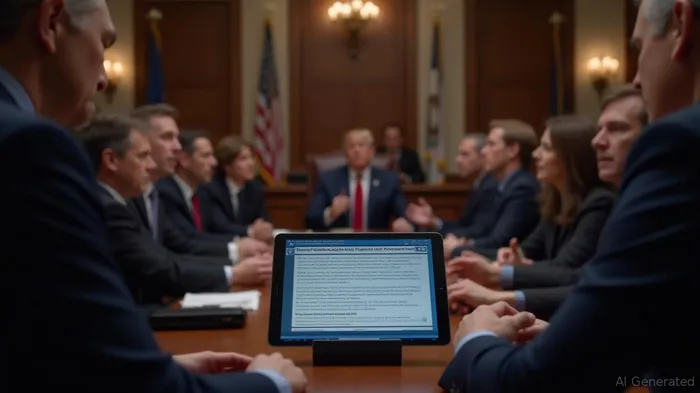
In recent hearings, Senators emphasized the need to distinguish between securities and commodities in digital assets. Tim Scott highlighted the importance of compliance to protect investors while promoting innovation. "We need to clarify the regulatory frameworks for digital assets to foster a conducive environment for innovation and growth in the crypto space," Scott stated.
The initiative may influence financial policies concerning major cryptocurrencies and stablecoins, potentially altering how these markets function and their infrastructure develops. The push towards regulation is being closely monitored by the market due to possible shifts in asset management and compliance requirements.
Future legislative changes may result in notable shifts in the regulatory landscape, leading to new market strategies and technologies. Major economic stakeholders are assessing potential impacts based on the evolving regulatory environment.
The Senate Banking Committee, led by Chairman Tim Scott, is advocating for comprehensive digital asset regulation by 2025. The committee aims to provide regulatory clarity for the digital asset industry, which has faced challenges due to the Biden administration's enforcement-first approach. This approach has been criticized for pushing innovation offshore and creating legal uncertainties for entrepreneurs.
Chairman Scott emphasized the need for legislation that clearly defines which tokens are securities, supports modern trading infrastructure, ensures protections against illicit finance, and protects investors while fostering innovation. He highlighted the recent passage of the GENIUS Act, a bipartisan framework for payment stablecoins, as a significant step towards revolutionizing the financial system and securing U.S. global dollar dominance.
The committee has released a set of principles to guide discussions and negotiations for the development of comprehensive market structure legislation. These principles include recognizing the need to clearly define what is a commodity, what is a security, and how digital assets can trade and be custodied in a way that fosters innovation while protecting investors.
The hearing, held on July 9, 2025, was the first full committee hearing on digital assets. It aimed to develop a comprehensive framework that gives innovators the clarity they need and gives investors the protections they deserve. The committee heard from a panel of experts about what's working, what's broken, and what reforms are needed in the digital asset market.
Chairman Scott's opening remarks underscored the importance of setting clear, light-touch guardrails to protect investors, stop fraud, and allow responsible innovation to flourish. He criticized the Biden administration's mixed messages and contradictory regulations, which have forced companies to spend millions of dollars just to guess at what's legal. This confusion has led to innovation and jobs leaving the U.S., with global competitors filling the vacuum.
The committee's principles for market structure legislation include clearly defining which tokens are securities, supporting modern trading infrastructure, ensuring appropriate illicit finance protections, and protecting investors while fostering innovation. The data shows that more illegal activity still happens with cash than with crypto, highlighting the traceability of digital assets.
The Senate's push for digital asset regulation is part of broader efforts to create clearer regulations around digital assets in the U.S. The committee's efforts are expected to continue, with the goal of passing comprehensive legislation by 2025. The hearing was a crucial step towards developing a comprehensive framework that gives innovators the clarity they need and gives investors the protections they deserve.

Stay ahead of the market.
Get curated U.S. market news, insights and key dates delivered to your inbox.






Comments
No comments yet