
Senate Passes Budget Bill With 50-50 Vote, Delaying Crypto Legislation
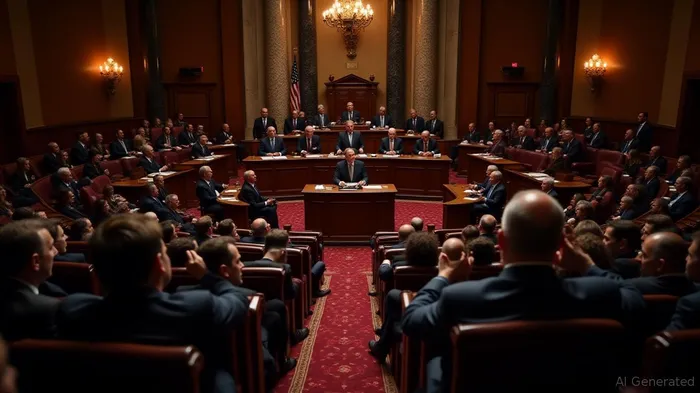
The United States Senate has narrowly passed a budget reconciliation bill, known as the “One Big Beautiful Bill Act,” following a tense 50-50 vote on Tuesday that required Vice President JD Vance to break the tie. The bill faced criticism from both Democrats and Republicans, with concerns centered around potential healthcare cuts, artificial intelligence regulation gaps, and redistribution of wealth through tax adjustments favoring large corporations. All Senate Democrats and three Republicans opposed the bill, pushing for amendments to address rural hospital funding and clearer guidelines for regulating artificial intelligence systems. Despite the debate, the bill moved forward without substantial changes, setting the stage for further discussions in the House of Representatives, where Republicans hold a slim majority.
During the debate, Wyoming Senator Cynthia Lummis suggested adding provisions to correct what she described as the “unfair tax treatment” of cryptocurrency miners and stakers in the United States. However, these proposed changes did not make it to the floor in the final amendments, leaving the crypto community waiting for clarity on taxation issues. Alaska Representative Nicholas Begich expressed disappointment but optimism that crypto tax provisions could be included in future critical legislation. Lummis, reflecting on the outcome, stated the bill “isn’t perfect” but is still “a major step in the right direction.” Meanwhile, Massachusetts Senator Elizabeth Warren criticized the bill for prioritizing corporate tax cuts over healthcare, accusing Trump and congressional Republicans of writing a “$15 billion check to Meta” while cutting healthcare for millions of Americans.
The budget bill’s passage will delay other significant crypto and digital assetDAAQ-- legislation, including the GENIUS Act and the BITCOINBTC-- Act of 2025. Although the Senate approved the GENIUS Act on June 17, which will now move to the House, Begich noted that these bills will take a backseat until budget reconciliation processes are completed. Begich indicated that discussions around creating a national Bitcoin reserve could resume later this year or early next year, while the House has already moved the CLARITY Act, focused on digital asset market structure, out of committee. However, the Senate Banking Committee is expected to draft its own version of the bill before October, hinting at further debates in Congress around the future of digital asset regulations in the United States.
The Senate's decision to remove a 10-year moratorium on state AI regulations, as initially proposed by Republicans, was a pivotal moment. The updated legislation now includes a five-year pause on states regulating AI, provided they have access to $500 million in AI infrastructure funding. This compromise was reached after Senator Marsha Blackburn withdrew her support for the original five-year moratorium deal, highlighting the contentious nature of the negotiations. The absence of crucial tax provisions for cryptocurrency stakeholders in the bill has been a significant point of contention. Industry experts have expressed disappointment, arguing that the lack of clear tax guidelines could hinder the growth and development of the cryptocurrency sector. This omission has left many in the industry feeling uncertain about the future regulatory environment for digital assets.
The passage of the bill was not without its challenges. Senators engaged in a marathon session, considering numerous amendments and debating the merits of the legislation. The final vote was narrowly won by Senate Republicans, with Vice President JD Vance casting the tie-breaking vote. This vote underscores the deep divisions within the Senate and the high stakes involved in the budget negotiations. The bill's passage marks a significant step toward President Donald Trump's goal of signing comprehensive legislation that addresses both tax breaks and spending cuts. However, the contentious nature of the debates and the compromises made highlight the ongoing challenges in reaching bipartisan consensus on key issues such as healthcare, AI regulation, and cryptocurrency taxation. As the bill moves forward, it will face further scrutiny and potential amendments in the House of Representatives, where additional debates and negotiations are expected.

Stay ahead of the market.
Get curated U.S. market news, insights and key dates delivered to your inbox.


AInvest
PRO
AInvest
PRO



Comments
No comments yet