
Senate Moderates Push for Shutdown Breakthrough as Flight Chaos Threatens Holiday Economy


The U.S. government shutdown, now grinding into its 40th day, has morphed from a political standoff into a full-blown economic hazard, with air travel disruptions signaling broader pain ahead.
Senate Republicans and a cadre of moderate Democrats are cobbling together a fragile compromise to reopen federal operations, but deep divisions over health care subsidies cast long shadows over the effort. As flight cancellations surpass 2,500 over the weekend and food aid hangs in the balance, the impasse underscores the high stakes for American families, businesses, and the fiscal landscape. With Thanksgiving looming, Treasury Secretary Sean Duffy's stark warning of air travel "reduced to a trickle" amplifies the urgency, potentially derailing holiday commerce and amplifying supply chain strains.
Negotiations Gain Momentum Amid Uncertainty
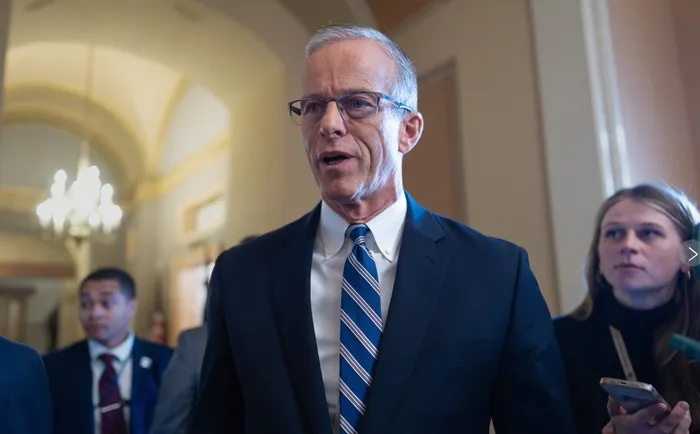
In a rare Sunday session, Senate Majority Leader John Thune signaled optimism, declaring a potential deal was "coming together" to end the deadlock. Yet, he tempered expectations, noting it was far from sealed. The push stems from weekend huddles among moderate Democrats, led by figures like New Hampshire's Jeanne Shaheen, who are collaborating with Republicans to forge a path forward. Their aim: a legislative package that funds key sectors through the fiscal year while extending temporary stopgap measures for the rest until late January.
This emerges against a backdrop of repeated failures. Democrats have rebuffed reopening votes 14 times, insisting on extending enhanced Affordable Care Act subsidies set to expire year-end. Without them, premiums could more than double for millions enrolled in Obamacare exchanges, exacerbating affordability crises. Republicans, however, have stonewalled negotiations on health care during the closure, preferring to address it post-reopening. Thune dismissed Senate Democratic Leader Chuck Schumer's Friday proposal for a one-year subsidy extension as a "nonstarter," prompting moderates to seek alternatives.
The emerging framework includes provisions to reverse some Trump administration mass firings of federal workers since the October 1 shutdown onset. Republicans unveiled text for three full-year spending bills, maintaining a ban on congressional pay raises but allocating $203.5 million for enhanced lawmaker security amid rising threats. A nod to Kentucky's Mitch McConnell, the package bars sales of certain hemp-based products, reflecting niche policy wins amid the chaos.
Democratic Rifts Deepen the Divide
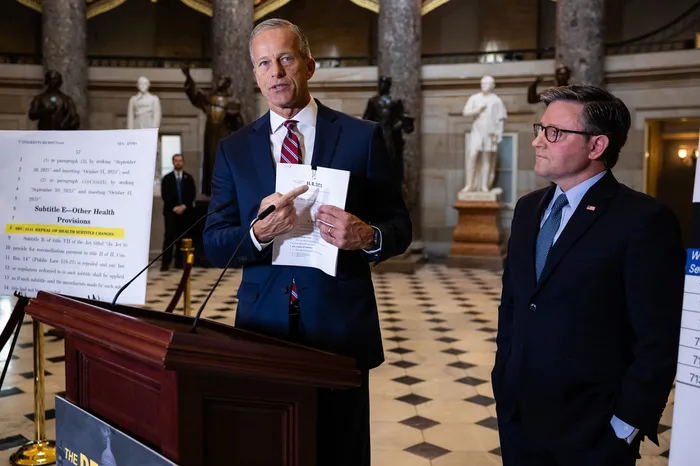
While Republicans need just five Democratic votes to advance, the deal's exclusion of immediate subsidy extensions has ignited pushback. Around 10 to 12 moderates are involved, but progressives like Vermont's Bernie Sanders decry it as a "horrific mistake," warning it greenlights authoritarian tendencies under President Trump. Michigan's Elissa Slotkin voiced disappointment, emphasizing her desire for concrete health care action, while House voices amplified the dissent. Texas Representative Greg Casar, chair of the Congressional Progressive Caucus, labeled the arrangement a "betrayal," arguing a mere promise of a future vote equates to capitulation. Minnesota's Angie Craig quipped it was no deal at all, likening it to selling a nonexistent bridge.
Even if the Senate advances, procedural delays from opponents could stretch proceedings for days. A procedural vote loomed Sunday evening, testing support. House Speaker Mike Johnson has withheld commitments on a health vote, and Republicans remain divided—some open to subsidy extensions with eligibility curbs and individual routing of funds, others echoing Trump's blistering critique of Obamacare as "the worst healthcare for the highest price."
Aviation Sector Bears the Brunt
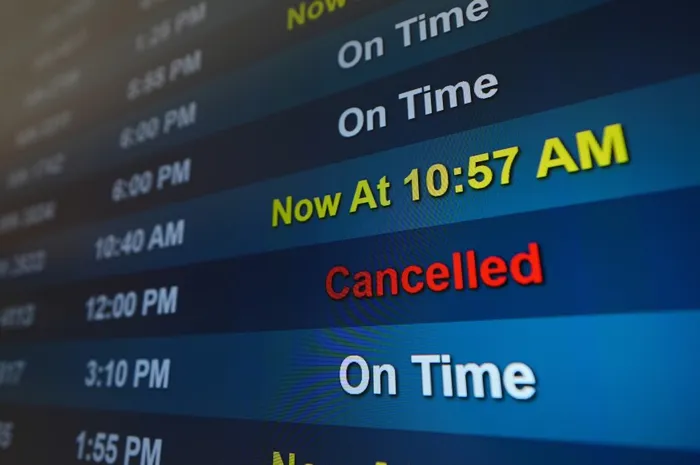
The shutdown's toll is most visceral in the skies, where U.S. airlines axed over 2,500 flights this weekend alone, marking the first Sunday breach of 2,000 cancellations since the crisis began. FlightAware data revealed more than 7,000 delays Sunday, with hubs like Atlanta, Chicago, Charlotte, and Newark hardest hit. The Federal Aviation Administration's mandate, slashing traffic by 4% at 40 key airports and eyeing 10% by Friday, stems from acute staffing shortages among air traffic controllers.
Unpaid for nearly a month, controllers are logging mandatory six-day overtime shifts, with many calling in sick or moonlighting to cover bills. The National Air Traffic Controllers Association delivered 1,600 handwritten pleas to Congress Saturday, underscoring the human strain. Transportation Secretary Duffy flagged escalating cuts if the shutdown persists, potentially crippling Thanksgiving travel—a peak period for consumer spending.
Passengers feel the pinch unevenly. While most rebook swiftly, disruptions ripple: rental car firms report surging one-way demands, and some travelers, like New Jersey's Diana Alvear, scrap plans altogether, forfeiting Airbnb deposits and facing work fallout. Puerto Rico-bound Heather Xu highlighted added stress, while Miami's Emmy Holguin voiced hopes for resolution amid family visits. International routes remain intact so far, but uncertainty looms.
Economic Ripples Threaten Broader Stability
Beyond airports, the shutdown's fiscal tentacles extend far. Food aid disruptions ensnare tens of millions via the Supplemental Nutrition Assistance Program, mired in legal tussles. Over two dozen states warn of "catastrophic" fallout as the administration demands reversal of court-ordered benefits following a Supreme Court stay. In Washington, the Capital Area Food Bank ramps up to 8 million extra meals—a 20% spike—straining resources for unpaid federal workers.
Analysts foresee cascading effects. Nearly half of U.S. air freight rides passenger jets, so cancellations could hike shipping costs, inflating store prices as Syracuse University's Patrick Penfield warns. Tourism hotspots brace for hits, with lost hotel and city taxes compounding woes. Elevate Aviation Group's Greg Raiff predicts impacts from stalled business meetings to manufacturing slowdowns, eroding economic momentumMMT--.
Fiscal hawks note the irony: a shutdown rooted in spending disputes now balloons costs through inefficiencies and lost productivity. Unpaid federal salaries, delayed aid, and aviation chaos could shave GDP growth, echoing past shutdowns' multibillion-dollar tabs. With premiums poised to surge sans subsidies, health care markets face volatility, potentially deterring enrollment and straining insurers.
Path Forward: Fragile Hopes and High Risks
As negotiators finalize details, the deal's viability hinges on moderate Democrats' buy-in and procedural navigation. Republicans preview a health debate, but outcomes are uncertain—subsidies might extend with strings, or falter amid overhaul calls. Trump's rhetoric intensifies scrutiny, framing Obamacare as a fiscal drain.
Yet, the human and economic costs mount daily. Flight reductions, if unchecked, could throttle holiday commerce, a linchpin for retail and logistics. Food insecurity and worker hardships amplify calls for compromise, but ideological trenches—health care affordability versus fiscal restraint—persist.
In this fiscal theater, moderates like Shaheen and Thune emerge as pivotal actors, balancing party loyalties with national imperatives. Success could avert deeper recessionary signals; failure risks entrenching dysfunction. As Duffy's warnings echo, the clock ticks toward a resolution that could redefine Washington's fiscal playbook—or prolong the pain.

Expert analysis on U.S. markets and macro trends, delivering clear perspectives behind major market moves.
Latest Articles
Stay ahead of the market.
Get curated U.S. market news, insights and key dates delivered to your inbox.


AInvest
PRO
AInvest
PRO



Comments
No comments yet