
Senate Hearing Reveals Political Tensions and Regulatory Challenges for US Crypto Market
The recent Senate hearing on digital assets brought to light significant political tensions and raised critical questions about the future of crypto regulation in the US. The hearing highlighted the potential challenges that the CLARITY Act, intended to regulate digital assets, may face due to loopholes that could inadvertently favor large corporations and deregulate key market segments. Additionally, a Supreme Court ruling that empowers the President to remove independent regulatory commissioners could significantly alter the dynamics of crypto oversight.
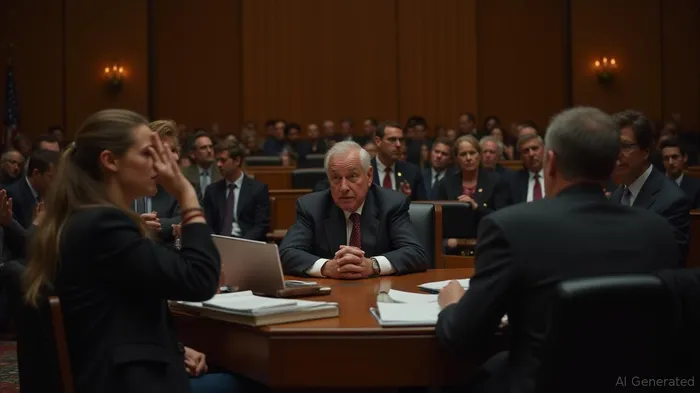
During the Senate Banking Committee hearing, Senator John Kennedy publicly criticized former White House ethics lawyer Richard Painter over a report detailing substantial crypto-linked campaign donations to Senator Kirsten Gillibrand. This confrontation underscored the growing scrutiny of political financing within the crypto industry and its potential impact on legislative outcomes. Painter emphasized that the core issue lies in how political contributions from crypto entities might sway congressional decisions, particularly concerning the GENIUS Act and broader market regulations. The episode highlighted the increasing intersection of financial lobbying and policymaking in the digital asset space, raising concerns about the impartiality of forthcoming legislation.
The report revealed that Senator Gillibrand’s 2024 re-election campaign received over $217,000 from major crypto firms, fueling debate over the integrity of legislative processes. While Senator Kennedy accused Painter of making unfounded allegations, Painter maintained that the influence of crypto donations on regulatory decisions remains insufficiently addressed. This incident reflects a broader challenge in ensuring transparency and accountability as lawmakers craft frameworks that will govern the rapidly evolving crypto market. Stakeholders must remain vigilant about potential conflicts of interest that could undermine effective regulation.
The CLARITY Act, designed to establish a regulatory framework for digital assets, faces criticism for provisions that may inadvertently deregulate significant portions of the crypto market. Tim Massad, former CFTC Chair, highlighted concerns regarding tokenization carve-outs and waiver authorities that could exempt centralized platforms and large corporations from SEC oversight. This regulatory gap could enable tokenized versions of traditional securities, such as stocks from companies like TeslaTSLA-- or MetaMETA--, to be traded on CFTC-regulated platforms without adhering to stringent SEC disclosure and investor protection requirements. Such a shift risks creating an uneven playing field and weakening investor safeguards.
Painter articulated these concerns, questioning whether stablecoins tied to tokenized securities would escape existing regulatory frameworks, potentially leading to market fragmentation and reduced transparency. There was broad agreement during the hearing that enhanced cooperation between the SEC and CFTC is essential for effective crypto market regulation. The CLARITY Act includes proposed provisions to facilitate this collaboration, aiming to unify oversight and reduce regulatory arbitrage. However, Painter cautioned that recent legal developments might jeopardize the independence of these agencies, complicating efforts to enforce cohesive regulatory standards.
A pivotal Supreme Court decision in May granted the President increased authority to remove members of independent commissions, including those overseeing the SEC and CFTC. This ruling overturns longstanding protections designed to preserve regulatory autonomy and could reshape the balance of power within federal agencies. Painter noted that this expanded presidential power enables the dismissal of commissioners based on political alignment, potentially leading to commissions that uniformly reflect the administration’s agenda. Such consolidation of control raises concerns about diminished checks and balances in crypto market oversight.
While some agencies like the Federal Reserve retain protections due to their unique status, the ruling nonetheless signals a significant shift in governance that could impact the enforcement of crypto regulations. The increased executive influence over regulatory bodies may undermine the effectiveness of legislative efforts like the CLARITY Act. If commissioners can be removed at will, the independence necessary for unbiased enforcement of crypto laws could be compromised, leading to regulatory uncertainty and potential market volatility. Industry participants and policymakers must consider these dynamics carefully to ensure that regulatory frameworks remain robust and credible in the face of evolving political landscapes.
As the CLARITY Act advances through Congress, its success will depend on addressing existing legal ambiguities and mitigating the influence of political and financial lobbying. The interplay between legislation, judicial rulings, and executive actions creates a complex environment for digital asset regulation. Stakeholders should monitor these developments closely and engage proactively to promote transparent, effective oversight that balances innovation with investor protection. The future of crypto regulation in the US hinges not only on statutory language but also on the broader governance context shaping regulatory authority.
The recent Senate hearing revealed critical challenges facing US crypto regulation, from political financing controversies to legislative loopholes and shifting regulatory powers. Ensuring a balanced and effective framework will require vigilance, collaboration, and a commitment to preserving regulatory independence amid evolving legal and political pressures. As digital assets continue to grow in significance, the decisions made today will profoundly influence the market’s trajectory and investor confidence.

Stay ahead of the market.
Get curated U.S. market news, insights and key dates delivered to your inbox.


AInvest
PRO
AInvest
PRO



Comments
No comments yet