
Senate Hearing to Address Digital Asset Regulation with Ripple CEO Testimony
The US Senate Banking Committee is set to hold a crucial hearing on Wednesday, focusing on the structure of the digital assetDAAQ-- market. This event will bring together key figures, including RippleXRP-- CEO Brad Garlinghouse and former regulators from the Commodity Futures Trading Commission (CFTC). The hearing aims to address pressing issues related to the regulation of digital assets, with a particular focus on the GENIUS Stablecoin Act and the CLARITY Market Structure Act. These legislative proposals seek to define the roles of the Securities and Exchange Commission (SEC) and the CFTC, providing clearer guidelines for the rapidly evolving digital asset industry.
The GENIUS Stablecoin Act is designed to create a regulatory framework for stablecoins, ensuring that these digital assets are subject to appropriate oversight and consumer protection measures. The CLARITY Market Structure Act, on the other hand, aims to establish a more transparent and efficient market structure for digital assets, addressing concerns about market manipulation and investor protection.
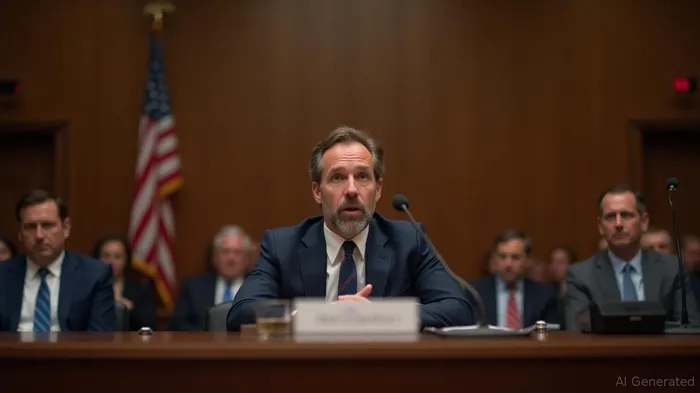
Brad Garlinghouse, CEO of Ripple, will be a central witness at the hearing. His testimony is anticipated to offer valuable insights into the current state of the digital asset market and the potential impact of the proposed legislation on the industry. Garlinghouse has been a strong advocate for clearer regulatory guidelines, and his participation in the hearing highlights the significance of this issue for the digital asset community.
The hearing will also feature other industry leaders, including Summer Mersinger, CEO of the Blockchain Association, and Jonathan Levin, CEO of Chainalysis. These experts will provide their perspectives on the challenges and opportunities presented by the digital asset market, offering lawmakers a comprehensive view of the industry's needs and concerns.
Summer Mersinger emphasized the critical juncture the industry is at, stating, “The choice before us is not whether to regulate this industry, but how. We can either continue down a path of uncertainty that cedes our leadership and exports this innovation to other countries, or we can enact sensible, bipartisan legislation that cements our position as the premier destination for financial innovation for decades to come.”
Republican leadership in the House of Representatives has announced plans to address three pieces of crypto-related legislation starting on Monday as part of a regulatory “Crypto Week.” Among the bills are the GENIUS Act, which was passed by the Senate in June, and the CLARITY Act, which is under consideration in the House. The chamber will also address legislation to halt the development of a US central bank digital currency (CBDC).
Potential conflicts of interest could still cast a shadow on legislation. The hearing will be one of Garlinghouse’s first direct appearances before US lawmakers amid Ripple’s growing involvement in policy discussions in Washington, D.C. The blockchain company donated $5 million worth of XRP to US President Donald Trump’s inaugural fund, and Garlinghouse appeared at a White House crypto summit in March. Richard Painter, a former White House ethics lawyer, will also testify at the hearing, suggesting lawmakers could address concerns over Trump’s potential conflicts of interest in legislation related to digital assets. The US president issued his own memecoin in January, ahead of his inauguration. In addition, he and his family are tied to the crypto company World Liberty Financial, including its stablecoin, USD1. During the first Senate vote for the GENIUS Act in May, several Democrats withdrew support for the stablecoin bill, raising concerns about Trump’s crypto ventures. Though the bill later passed with Democratic support, some lawmakers have suggested they will continue to take action regarding concerns over Trump's ties to the industry.
The Senate Banking Committee's hearing on digital asset market structure marks a pivotal moment for the industry. As digital assets continue to gain traction, the need for clear and effective regulation has become increasingly apparent. The proposed legislation, if enacted, could provide the necessary framework to support the growth and development of the digital asset market while protecting investors and ensuring market integrity. The hearing is expected to generate significant discussion and debate, with lawmakers and industry experts alike weighing in on the future of digital asset regulation.

Stay ahead of the market.
Get curated U.S. market news, insights and key dates delivered to your inbox.






Comments
No comments yet