
Senate Debates Crypto Tax Reform Amid Spending Bill
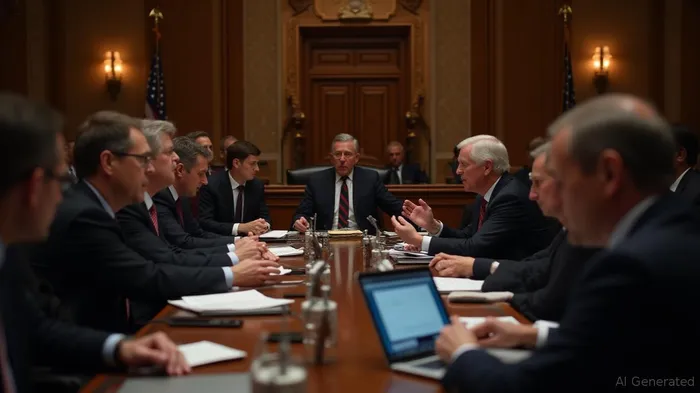
The US Senate engaged in an extended session, debating President Donald Trump’s comprehensive tax and spending bill, with discussions lasting over 17 hours. This marathon session, known as the “vote-a-rama,” was crucial as lawmakers rushed to incorporate hundreds of amendments before the bill's potential passage by Friday, July 4. The House had narrowly approved the bill in May with a 215-214 vote, and the Republicans’ slim majority in the Senate made the bill’s passage uncertain. While the debate primarily focused on government spending, several proposed amendments brought crypto regulations into the spotlight.
Republican Senator Cynthia Lummis introduced an amendment aimed at reforming what she described as the “unfair tax treatment” of digital assets in the US. Under the current system, crypto miners and stakers face double taxation—once when they receive blockXYZ-- rewards and again when those assets are sold. Lummis’ proposed amendment would exempt crypto transactions under $300 from taxation, with a $5,000 annual cap, and would also apply to stablecoins. Additionally, it would defer taxation on crypto earned from mining, staking, and airdrops until the assets are sold, providing clarity for users concerned about inadvertent tax violations. Another provision in Lummis’ proposal would extend the 30-day wash sale rule to crypto, preventing traders from selling digital assets at a loss to claim a tax deduction while immediately repurchasing similar assets. Lummis argued that these changes would “ensure Americans can use digital assets without fear of tax violations” and would promote innovation within the country.
Earlier in the session, the Senate rejected a Democrat-backed amendment that would have banned government officials and their families from owning or promoting cryptocurrencies and other digital assets. Senators Jeff Merkley, Elizabeth Warren, and Jack Reed proposed the amendment to strengthen ethics rules, extending the restrictions to spouses and children of officials, and even to former special government employees for one year after leaving their roles. Senator Lummis opposed the measure, warning that while ethical concerns are valid, the proposal “would inflict serious harm on American innovation and competitiveness.” She added that imposing such restrictions could send a signal that the US is “closed for business,” reminiscent of missing out on the early internet boom.
Meanwhile, Elon Musk reignited his feud with Trump over the bill, promising on X that he would form a new “America Party” if the spending package passes. He criticized the bill as a “disgusting abomination” that could add $3.3 trillion to the national debt over the next decade.

Stay ahead of the market.
Get curated U.S. market news, insights and key dates delivered to your inbox.






Comments
No comments yet