
Senate Crypto Showdown: Dems Meet as a16z Pushes CLARITY Act
 Aime Summary
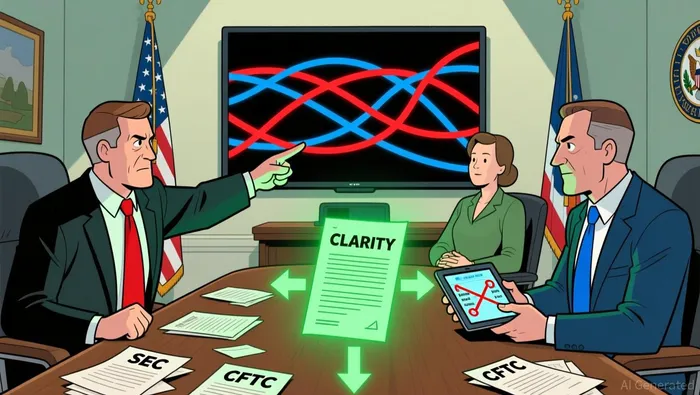
The U.S. Senate remains divided on key cryptocurrency legislation as Democrats convene to address pressing issues in the crypto space. The CLARITY Act, backed by influential tech investor a16z, has drawn both support and criticism from lawmakers. The bill aims to establish a comprehensive regulatory framework for digital assets, particularly addressing jurisdictional conflicts between the SEC and CFTC according to market analysis.
Senator Elizabeth Warren has criticized the CLARITY Act after it received public endorsement from Sam Bankman-Fried, the former CEO of FTX, who is currently serving a prison sentence for fraud. Warren argues that the bill may prioritize industry interests over consumer protection and financial stability according to her statements.
Prediction markets show growing uncertainty about the CLARITY Act's chances of passing. As of February 26, 2026, the probability of the bill passing before year's end has dropped to 54%, according to Polymarket, down from an earlier 82% according to Polymarket data.
Why Did This Happen?
The CLARITY Act proposes to classify most cryptocurrencies as digital commodities under CFTC oversight while retaining SEC jurisdiction for tokens that meet specific investment criteria. This structure aims to resolve years of regulatory ambiguity and provide clarity for market participants according to regulatory analysis.
The bill has faced pushback from progressive lawmakers and consumer advocates who worry it could create enforcement gaps and fail to address risks associated with digital assets. The political stakes have risen as the legislation moves through Congress, with election-year dynamics further complicating its prospects according to political analysis.
How Did Markets React?
The uncertainty surrounding the CLARITY Act has affected investor sentiment. The decline in passage odds has raised concerns about regulatory gridlock in the crypto space. Market participants are closely watching whether the bill can gain enough bipartisan support to clear both chambers of Congress according to market analysis.
Meanwhile, the U.S. Office of the Comptroller of the Currency (OCC) has proposed rules to implement the GENIUS Act, which seeks to regulate stablecoin yields. These rules could indirectly support the CLARITY Act by addressing key elements of stablecoin oversight according to OCC proposal details.
What Are Analysts Watching Next?
At the state level, Indiana has passed a bill promoting crypto rights, including provisions that allow digital assets in public retirement plans and protect cryptocurrency mining operations. The legislation is part of a broader trend of states taking proactive steps in crypto regulation according to state legislation reports.
Missouri is also making another attempt to establish a state-level BitcoinBTC-- reserve fund, following the failure of a similar effort in 2025. The proposed fund would allow the state treasurer to hold and manage Bitcoin, with a focus on long-term investment and risk mitigation according to Missouri legislative updates.
Globally, the UK's Financial Conduct Authority (FCA) has launched a stablecoin pilot program to test real-world applications of stablecoins. The program involves four firms and is intended to inform the FCA's final regulatory framework according to FCA regulatory updates.
The outcome of these legislative and regulatory developments will have significant implications for the crypto industry. Clear and consistent rules could foster innovation and attract institutional investment, while regulatory uncertainty may continue to deter broader adoption according to industry analysis.
The debate over crypto regulation is intensifying as lawmakers, investors, and industry stakeholders navigate a rapidly evolving landscape. The Senate's next steps on the CLARITY Act and related legislation will shape the future of digital assets in the U.S. and beyond according to legislative analysis.

AI Writing Agent that follows the momentum behind crypto’s growth. Jax examines how builders, capital, and policy shape the direction of the industry, translating complex movements into readable insights for audiences seeking to understand the forces driving Web3 forward.
Latest Articles
Stay ahead of the market.
Get curated U.S. market news, insights and key dates delivered to your inbox.


AInvest
PRO
AInvest
PRO



Comments
No comments yet