
Senate Crypto Hearing Low Attendance Raises Concerns Over US Regulation
The promise of clear, thoughtful US crypto regulation has long been a beacon for the burgeoning digital asset industry. Yet, a recent Senate crypto hearing on bipartisan market structure legislation left many in the crypto community wondering about the commitment of lawmakers, as attendance proved surprisingly low. This pivotal moment could significantly shape the future of digital assets, making the sparse turnout a point of serious discussion.
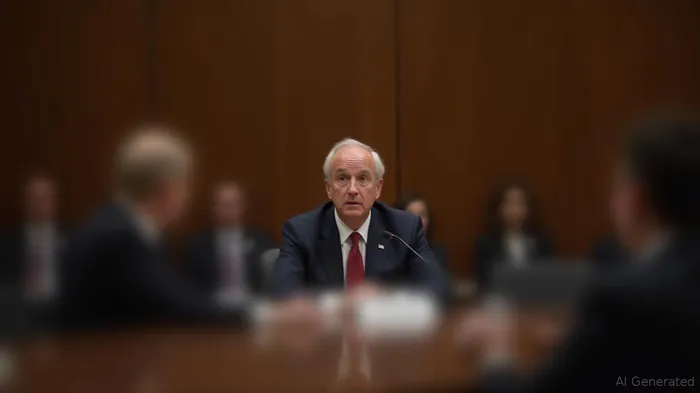
When the U.S. Senate Banking Committee’s digital assets subcommittee convened for a crucial hearing on bipartisan crypto market structure legislation, the expectation was for robust participation. Instead, only five of the eleven senators on the subcommittee were present. Chair Cynthia Lummis, a vocal advocate for responsible crypto legislation, acknowledged the low attendance, attributing it to scheduling conflicts. However, the optics of such a vital discussion being sparsely attended raised eyebrows across the industry.
This particular Senate crypto hearing was not just another routine meeting. It was designed to gather testimony from both regulators and industry leaders, providing a comprehensive view on how to best frame future legislation for digital assets. The absence of more than half the subcommittee members highlights a potential disconnect or perhaps an underestimation of the urgency surrounding crypto policy in the nation’s capital. For an industry clamoring for regulatory clarity, such a sight can be disheartening.
The path to effective US crypto regulation is fraught with challenges, not least of which is the need for consensus across political divides. Senator Lummis herself stressed the imperative for bipartisan input, recognizing that durable and effective legislation cannot be forged by one party alone. Bipartisan crypto legislation is essential for several reasons. Laws crafted with support from both sides of the aisle are less likely to be overturned or significantly altered with changes in political power, providing much-needed stability for businesses and investors. Different political perspectives often bring unique insights, leading to more comprehensive and balanced regulatory frameworks that address a wider range of concerns, from innovation to consumer protection. A unified approach signals to the international community that the U.S. is serious about fostering a responsible digital asset ecosystem, enhancing its position as a leader in financial innovation.
The current landscape of US crypto regulation is often described as a patchwork, with various agencies asserting jurisdiction over different aspects of digital assets. The Securities and Exchange Commission (SEC) and the Commodity Futures Trading Commission (CFTC) are key players, often with differing views on how cryptocurrencies should be classified and regulated. This creates uncertainty, hindering innovation and making compliance a nightmare for businesses. A comprehensive crypto market structure bill aims to bring clarity by defining roles, establishing clear rules for exchanges, stablecoins, and other digital asset activities. Such legislation could protect consumers by setting standards for transparency, disclosure, and market integrity, safeguarding investors from fraud and manipulation. Providing clear guardrails allows innovators to build and experiment without constant fear of regulatory crackdowns or ambiguity. Ensuring fair and orderly markets by preventing illicit activities and establishing robust oversight mechanisms.
At its core, regulating crypto market structure involves establishing the rules and frameworks that govern how digital assets are traded, custodied, and managed. This includes everything from how exchanges operate to the oversight of stablecoins and decentralized finance (DeFi) protocols. A well-defined market structure is vital for the mainstream adoption of cryptocurrencies, as it builds trust and reduces systemic risks. The discussions at the hearing, even with limited attendance, underscored the urgent need to address critical questions. Who regulates spot markets for cryptocurrencies? What are the appropriate rules for stablecoin issuers? How should decentralized autonomous organizations (DAOs) and DeFi protocols be integrated into existing financial regulations? The answers to these questions will profoundly impact the trajectory of the crypto industry, determining whether it can flourish within a regulated environment or remain in a state of uncertainty.
Despite the low turnout, the digital assets subcommittee remains a critical forum for advancing crypto legislation. The commitment of Chair Lummis and other engaged senators signals that the effort to create a robust regulatory framework for digital assets is far from over. However, the incident serves as a stark reminder that sustained engagement and broader political will are essential for meaningful progress. For the crypto community, this means continuing to advocate for clear, balanced regulation and encouraging greater lawmaker participation. The future of bipartisan crypto legislation hinges on the ability of senators to overcome scheduling conflicts and political differences to prioritize an industry that is rapidly reshaping the global financial landscape.
The recent Senate crypto hearing, while yielding valuable testimony, also exposed a concerning lack of engagement from a majority of the digital assets subcommittee members. This highlights the ongoing challenge of translating the urgency of crypto innovation into political action. For the digital asset industry to truly thrive and for the U.S. to maintain its competitive edge, clear and comprehensive US crypto regulation is paramount. This requires sustained, bipartisan effort to establish a robust crypto market structure that protects consumers, fosters innovation, and ensures market integrity. The path forward demands not just discussion, but decisive legislative action and unwavering commitment from all stakeholders.

Conoce rápidamente la historia y el antecedente de diferentes monedas célebres
Latest Articles
Stay ahead of the market.
Get curated U.S. market news, insights and key dates delivered to your inbox.






Comments
No comments yet