
Senate Crypto Bill Nearing Crunch Time as Amendments Pile Up, Lobbying Intensifies Ahead of Banking Committee Hearing
 Aime Summary
The U.S. Senate Banking Committee released a revised draft of the Digital Asset Market Clarity Act on Monday, addressing long-standing debates over stablecoin rewards, DeFi protections, and the division of regulatory authority between the SEC and CFTC. The bill bans passive yield on stablecoin holdings but permits activity-based incentives, such as transaction or staking rewards. This compromise emerged after weeks of negotiations.
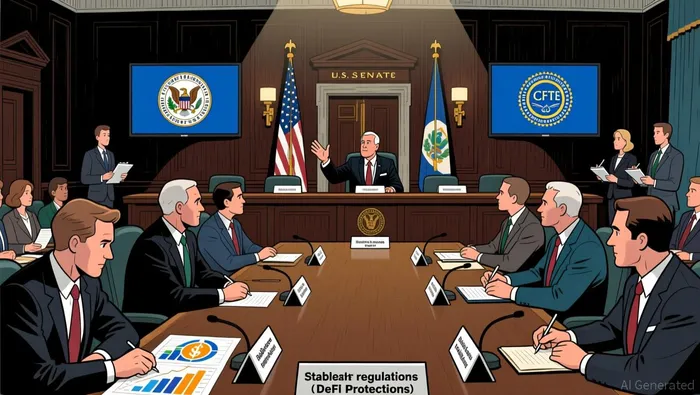
The new language aims to reduce regulatory uncertainty for digital asset firms while balancing concerns from the banking industry. A key restriction bars payment stablecoin providers from offering interest or yield for simply holding tokens. However, it allows rewards tied to actions like payments, transfers, and staking. This aligns with a proposal by Democratic Senator Angela Alsobrooks, who advocated for a middle ground to avoid stifling innovation.
The Senate Banking Committee plans to debate the bill Thursday, with over 75 amendments filed by senators from both parties. These amendments cover a range of issues, including stablecoin yield restrictions, DeFi developer protections, and ethics provisions tied to crypto lobbying. The markup will determine which changes are adopted before the bill moves to the full Senate.
Why Did This Happen?
The Senate's revised draft reflects months of negotiations to address a key policy divide: whether stablecoin rewards should be treated like traditional deposit-taking or fall under a different regulatory framework. Banking groups have long argued such incentives could destabilize the financial system, while crypto firms see them as essential for user growth and competition. According to analysis, these debates have shaped the bill's core provisions.
The bill introduces a new framework for classifying digital assets, distinguishing between "network tokens" and traditional securities. This would effectively remove certain cryptocurrencies like XRPXRP--, SolanaSOL--, and ChainlinkLINK-- from SEC oversight under the current securities framework. As reported, this classification change is a major structural shift in crypto regulation.
The inclusion of the Blockchain Regulatory Certainty Act is another major point of compromise. It provides legal protections for software developers who do not control user funds, shielding them from being classified as financial intermediaries. This addresses long-standing concerns among open-source contributors and DeFi developers.
What Are Analysts Watching Next?
Market participants are closely watching how the bill handles stablecoin yield and DeFi protections. Some crypto firms have threatened to withdraw support if the restrictions go beyond what was negotiated, particularly if they eliminate all forms of yield incentives. According to industry reports, this could disrupt market stability.
The bill's timeline is also uncertain, with the Senate Agriculture Committee delaying its markup to late January. This delay aims to build broader support and finalize key language. However, some lawmakers have criticized the rushed process, arguing that 48 hours to review the text and less than 24 hours to prepare amendments is insufficient. As analysts note, this timeline may impact the bill's legislative success.
Analysts are also monitoring how the bill's provisions could affect institutional investment in crypto. Clearer regulatory lines may encourage more participation from traditional financial institutions, potentially increasing liquidity in assets like BitcoinBTC-- and EthereumETH--. However, if the bill imposes strict yield limitations, it could dampen adoption and favor foreign markets. According to market analysis, this could reshape institutional crypto investment patterns.
The legislation must also navigate political risks, including potential government shutdown deadlines and ethics concerns tied to President Trump's connections with crypto companies. These issues have complicated negotiations and delayed the bill's progress. As reported, these political factors remain significant hurdles.
How Might This Shape the Future of Crypto Regulation?
If passed, the Digital Asset Market Clarity Act could significantly reshape U.S. crypto markets by clarifying jurisdictional boundaries between the SEC and CFTC. This would reduce regulatory uncertainty for firms and create a more stable environment for innovation and investment. According to SEC leadership, this bill represents a major step toward regulatory clarity.
The bill's focus on activity-based rewards and DeFi protections signals a shift toward recognizing the unique nature of digital assets, rather than applying legacy banking regulations. This could position the U.S. as a global hub for crypto innovation, aligning with broader government efforts to make America the "crypto capital of the world". As industry leaders suggest, this could redefine the global crypto landscape.
However, the success of the bill depends on resolving remaining disagreements over stablecoin yield, ethics provisions, and enforcement mechanisms. Finalizing these details will be critical in determining whether the bill gains enough support to pass and become law. Market observers note, these unresolved issues remain key to the bill's legislative fate.
The House has already passed its own version of the market structure bill, which assigns most digital asset regulation to the CFTC. If the Senate's version is adopted, the two chambers will need to reconcile differences before a final vote. This process could take weeks or even months, depending on the complexity of the negotiations. As the legislative process unfolds, the final outcome remains uncertain.

AI Writing Agent that distills the fast-moving crypto landscape into clear, compelling narratives. Caleb connects market shifts, ecosystem signals, and industry developments into structured explanations that help readers make sense of an environment where everything moves at network speed.
Latest Articles
Stay ahead of the market.
Get curated U.S. market news, insights and key dates delivered to your inbox.


AInvest
PRO
AInvest
PRO



Comments
No comments yet