
Senate Clears Key Hurdle for Trump Tax Cuts, Markets Eye New Highs
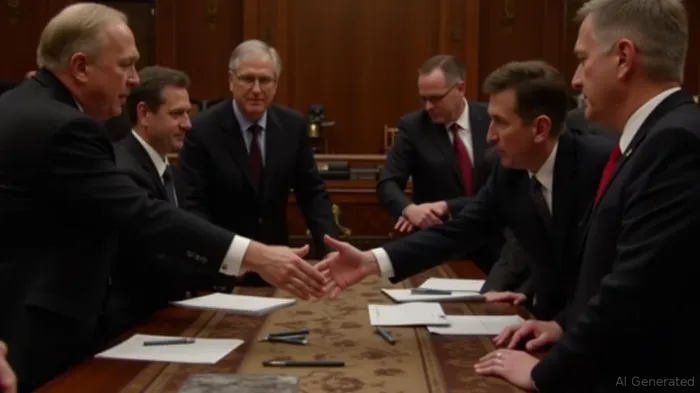
U.S. markets are poised for new highs as President Donald Trump’s legislative agenda of tax cuts and spending priorities cleared a key hurdle in the Senate. The Senate Republicans have made substantial progress in pushing forward a significant tax cut package, despite internal opposition and a tight timeline. The legislation, if passed, would raise the cap on federal deductions for state and local taxes to $40,000 with an annual 1% inflation adjustment through 2029. This move is expected to provide a substantial boost to the economy by lowering federal taxes and increasing spending on key areas such as the Pentagon and border security agencies. However, the bill also proposes downsizing government safety-net programs, including Medicaid, which could face significant resistance.
Meanwhile, President Trump has indicated that he may not extend the tariff deadline, opting instead to send letters setting tariff rates. This approach could potentially escalate trade tensions, as it signals a more aggressive stance on trade policy. The uncertainty surrounding tariffs adds a layer of complexity to the market, as investors weigh the potential benefits of tax cuts against the risks associated with heightened trade conflicts. Trump’s top legislative priority—his package of tax cuts and spending priorities—narrowly cleared a key procedural hurdle in the Senate over the weekend. A final vote is still pending, as senators look to debate the bill and offer amendments. The House of Representatives also must approve the Senate’s version of the bill before it can go to the White House for Trump’s signature.
The president has demanded that lawmakers finish the bill before the July 4 holiday. The tax cuts are a key factor in Wall Street’s forecasts for the economy and financial markets, predicting a boost that will help offset a drag from Trump’s tariffs. In April, Trump put his reciprocal tariffs on hold for 90 days while his administration engaged in trade negotiations. Stocks have rebounded since then as investors assumed the worst of the trade war was over. The pause will expire on July 9, and Treasury Secretary Scott Bessent suggested as recently as Friday that the deadline is flexible. He told Fox Business that about a dozen deals with top trade partners could be wrapped up by Labor Day. But in an interview that aired on Sunday, Trump said he could instead send letters that simply inform countries of tariff rates they will face. When asked if the pause will not be extended, he said, “I don’t think I’ll need to because—I could—there’s no big deal.” Trump further clarified his stance on the July 9 deadline, saying “I’m gonna send letters. That’s the end of the trade deal.”
His dismissive attitude toward a deadline extension also comes as Trump said Friday he is ending all trade talks with Canada immediately, citing its plan to levy digital services taxes on U.S. tech giants. The coming holiday-shortened week also features several high-profile economic datasets that could offer more clues on how tariffs are, or are not, affecting activity. On Tuesday, the Institute for Supply Management will release its manufacturing index, and the Labor Department issues its job openings report. On Wednesday, ADPADP-- will put out its private-sector payroll report. And on Thursday, the Labor Department will publish weekly unemployment claims and its monthly jobs report. Markets will be closed for the July 4 holiday. Federal Reserve Chairman Jerome Powell is also scheduled to speak Tuesday at a European Central Bank forum in Sintra, Portugal. That follows two days of testimony on Capitol Hill last week and a post-FOMC press briefing the week before.
The Senate's procedural vote of 51-49 to advance the tax cut legislation was a critical step, but the bill still faces numerous hurdles. Republican leaders must satisfy holdouts demanding changes to the bill, and the measure must still go back to the House if it passes the Senate. Trump has demanded to sign the bill on the Fourth of July, adding pressure to the already tight timeline. The bill's fate remains uncertain, but its passage could have significant implications for the economy and the stock market. The tax cut legislation, if enacted, would lower federal taxes and infuse more money into key sectors, potentially driving economic growth and boosting stock prices. However, the downsizing of government safety-net programs could face opposition, both within the Senate and from the public. The bill's impact on the economy and the stock market will depend on how these competing factors play out in the coming weeks.

Stay ahead of the market.
Get curated U.S. market news, insights and key dates delivered to your inbox.


AInvest
PRO
AInvest
PRO



Comments
No comments yet