
Senate Bill 487 Proposes Using Gold Reserves to Buy Bitcoin
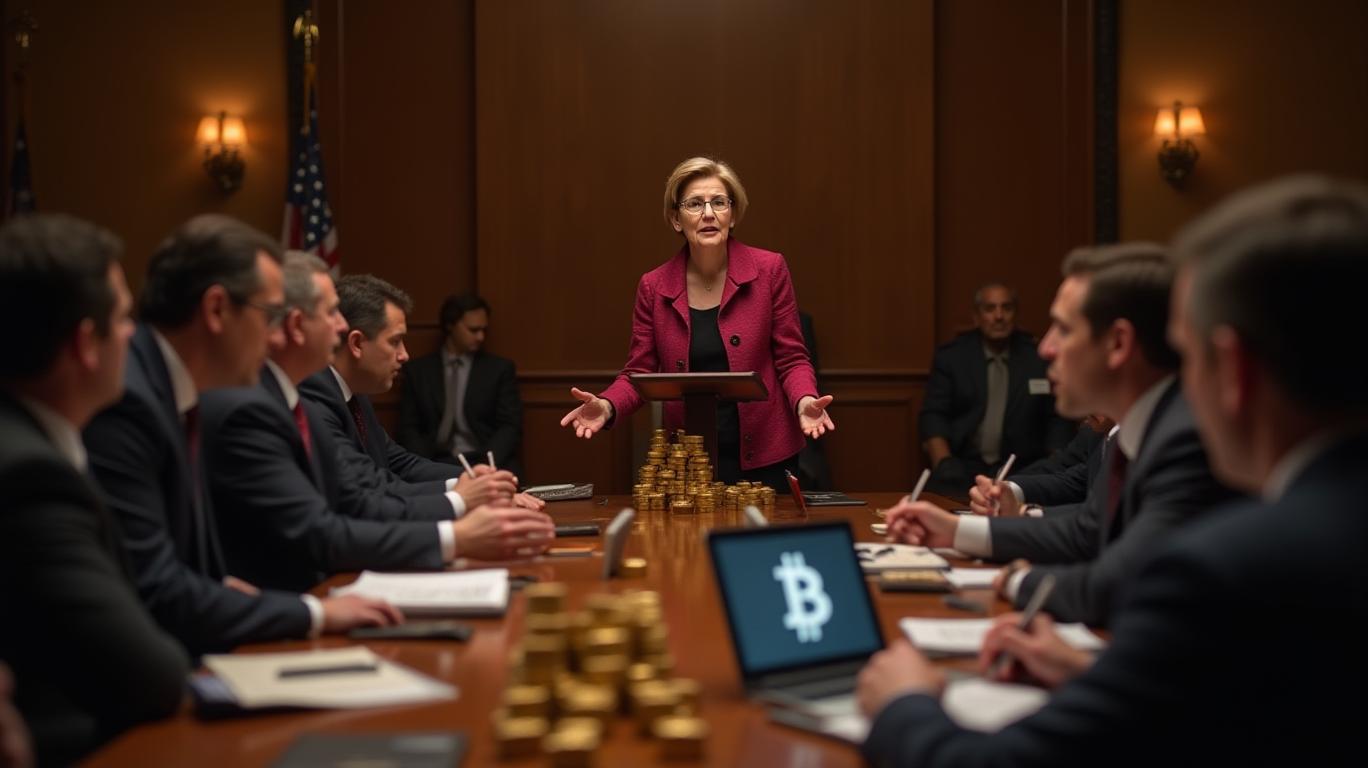
Senator Jason Brodeur has introduced Senate Bill 487, which proposes that the U.S. government use its gold reserves to purchase Bitcoin as a means to reduce the national debt. This bill aims to allow the state government to invest a portion of its reserve funds in Bitcoin, marking a significant shift in the government's approach to managing its financial obligations through digital assets.
The concept of utilizing Bitcoin to tackle national debt is not novel, but it has recently gained more attention. VanEck executive has suggested Bitcoin-backed Treasury bonds as a solution, while Andrew Hohns has proposed acquiring $200 billion in Bitcoin, potentially saving $354 billion in interest payments through innovative bond issuance. These ideas underscore the increasing interest in leveraging digital currencies for financial management.
Senator Cynthia Lummis has also advocated for establishing a strategic Bitcoin reserve, emphasizing its potential to alleviate the U.S. national debt. This view is shared by other lawmakers and industry experts who see the advantages of incorporating Bitcoin into the government's financial strategy. The proposal to use gold reserves for Bitcoin purchases is seen as a way to diversify the government's asset holdings and reduce reliance on traditional debt instruments.
The move to invest in Bitcoin is part of a broader trend in the U.S. government's approach to digital assets. The establishment of a strategic reserve composed of Bitcoin and other digital currencies seized by the government is a notable step in this direction. This reserve is intended to serve as a financial buffer and a means to manage the national debt more effectively.
The proposal to use gold reserves for Bitcoin purchases has sparked debate among economists and policymakers. Proponents argue that investing in Bitcoin could provide a hedge against inflation and offer higher returns compared to traditional assets. Critics, however, raise concerns about the volatility and regulatory challenges associated with digital currencies. Despite these concerns, the proposal reflects a growing recognition of the potential role that Bitcoin and other digital assets can play in the U.S. economy.
The introduction of Senate Bill 487 is a pivotal development in the ongoing discussion about the role of digital assets in the U.S. economy. As the government explores new ways to manage its financial obligations, the proposal to use gold reserves for Bitcoin purchases represents a bold and innovative approach to addressing the national debt. The outcome of this proposal will be closely monitored by policymakers, economists, and industry experts as the U.S. continues to navigate the complexities of the digital asset landscape.

Stay ahead of the market.
Get curated U.S. market news, insights and key dates delivered to your inbox.


AInvest
PRO
AInvest
PRO



Comments
No comments yet