
US Senate Advances GENIUS Act for Stablecoin Regulation
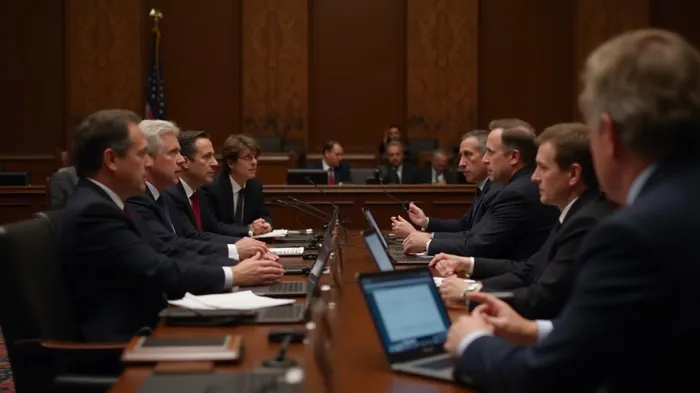
The United States Senate is advancing the Guiding and Establishing National Innovation for US Stablecoins (GENIUS) Act, a landmarkLARK-- bill aimed at regulating the stablecoin sector. The bill, which passed a 66–32 procedural vote on May 20, seeks to create a clear legal framework for stablecoin collateralization and enforce Anti-Money Laundering compliance. Industry leaders like Andrei Grachev, managing partner at DWF Labs and Falcon Finance, view the bill as a significant step toward mainstream acceptance of stablecoins, potentially legitimizing them as financial instruments. Grachev believes the legislation could boost institutional confidence in stablecoins, which he sees as a superior alternative to traditional fiat money due to their speed, simplicity, and transparency. He also suggests that the GENIUS Act could be the foundation for a more unified, borderless, and efficient digital financial system.
However, not all industry voices are entirely satisfied with the bill. Vugar Usi Zade, COO of the Bitget exchange, points out that the GENIUS Act does little to address the influence of offshore stablecoin issuers like Tether, which dominate global liquidity markets. He warns that increased regulatory burdens could place US-based issuers at a disadvantage, potentially driving market consolidation and favoring larger firms that can afford to meet compliance demands. Despite these criticisms, Zade acknowledges that effective implementation of the legislation could introduce greater stability to the US stablecoin market.
The rise of yield-bearing stablecoins is also sparking tensions between traditional banks and the crypto industry. Critics accuse the banking sector of lobbying to protect its monopoly on interest-bearing financial products. Austin Campbell, a professor at New York University and founder of Zero Knowledge Consulting, warns that the powerful American banking lobby is "panicking" over stablecoins' growing ability to disrupt conventional financial services. He argues that banks are seeking protectionist policies under the guise of safeguarding consumers, while in reality trying to maintain their hold on a system that offers depositors minimal returns. Campbell urges lawmakers not to back any form of legislation that imposes a blanket ban on stablecoin yield, warning that doing so would serve banks at the expense of everyday voters.
Meanwhile, Hong Kong has passed its own fiat-backed stablecoin legislation, opening the door to licensed issuance by year-end. The region’s Legislative Council approved the bill on its third reading, setting the foundation for a regulated framework that will allow major institutions to apply for stablecoin issuer licenses with the Hong Kong Monetary Authority. The bill requires that all stablecoins be backed by fiat currency reserves for investor protection and to ensure the integrity of the digital asset ecosystem. Council member Johnny Ng Kit-Chong extended a welcoming message to global enterprises interested in issuing stablecoins in Hong Kong, framing stablecoins as a tool to modernize payment systems, enable more efficient cross-border transactions, and empower peer-to-peer commerce. With this bill, Hong Kong positions itself as a first mover in the Asia-Pacific region.

Stay ahead of the market.
Get curated U.S. market news, insights and key dates delivered to your inbox.






Comments
No comments yet