
Senate Advances GENIUS Act 66-32 for Stablecoin Regulation
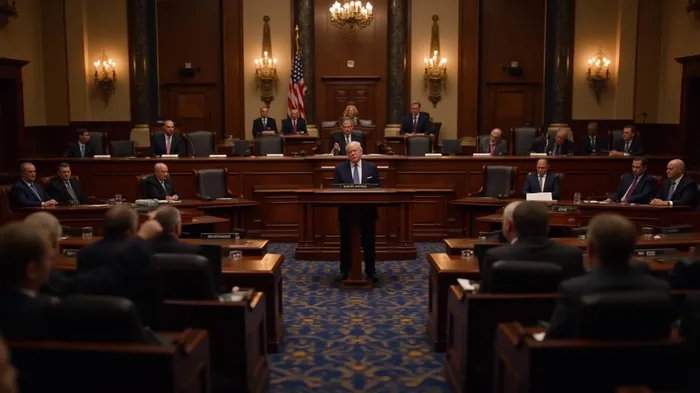
The U.S. Senate has advanced the GENIUS Act with a 66-32 vote, marking a significant step in the regulation of stablecoins. The motion to invoke cloture, which allows the Senate to proceed with debating the bill, was approved, enabling discussions, debates, and potential amendments before a final vote. Notably, more than 15 Democratic senators, including Catherine Cortez Masto, Adam Schiff, Mark Warner, and Ruben Gallego, switched their earlier ‘no’ votes to ‘yes,’ while Senate Minority Leader Chuck Schumer voted against the motion. Senator Josh Hawley was absent during the vote.
The GENIUS Act, introduced by Senator Bill HagertyHGTY--, aims to establish a comprehensive regulatory framework for stablecoins. The bill mandates that stablecoins be fully backed by reserves, undergo regular security audits, and obtain approval from federal or state regulators. Only licensed entities will be permitted to issue stablecoins, and algorithmic stablecoins will be restricted. This move is seen as a positive step by many in the crypto community, as it introduces clear rules and ensures stablecoin issuers hold proper reserves, such as U.S. treasury bonds, while demanding more transparency about how these stablecoins are backed.
Experts believe that this regulation could strengthen trust in the crypto market and protect users from risks seen in the past when some stablecoin companies lacked proper financial backing. The bill's advancement comes after it was revised to garner enough bipartisan support, building on a discussion draft submitted by former Representative Patrick McHenry for the Clarity for Payment Stablecoins Act in October. The path to this vote has been marked by political maneuvering and bipartisan negotiations, with earlier attempts to move the bill forward being blocked by Democratic senators due to concerns over potential conflicts of interest involving President Donald Trump’s crypto ventures and anti-money laundering provisions.
There are ongoing debates about private tech companies issuing their own stablecoins and the potential risks involved without strict regulations. Additionally, there are concerns about political leaders having financial interests in crypto-related projects, raising questions about fairness and possible conflicts of interest. While government support for crypto might seem positive, experts warn it could lead to future problems if decisions appear to benefit insiders.
Republican Senator Cynthia Lummis, a key backer of the bill, had previously expressed optimism about the bill's progress, suggesting that it could be passed by May 26, which is Memorial Day in the U.S. The Senate's vote to move the bill forward is a crucial step in the regulatory process, paving the way for further debate and potential passage. The GENIUS Act represents a significant effort to bring clarity and stability to the stablecoin market, which has seen rapid growth and increasing scrutiny. By establishing clear guidelines for stablecoin issuance and regulation, the bill aims to protect consumers and ensure the integrity of the financial system.

Stay ahead of the market.
Get curated U.S. market news, insights and key dates delivered to your inbox.






Comments
No comments yet