
US Senate Advances Digital Asset Regulation with CLARITY Act
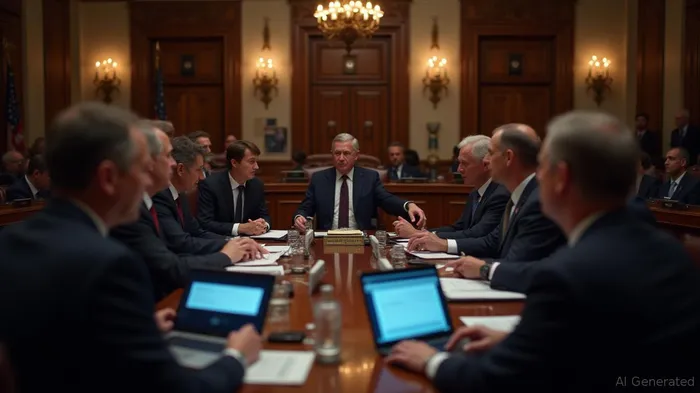
The US Senate Banking Committee has taken a significant step forward in advancing a comprehensive regulatory framework for digital assets. This initiative, led by prominent figures such as Chairman Tim Scott and Cynthia Lummis, aims to establish clear guidelines for the oversight of digital assets, aligning US policy with global norms. The push for regulation seeks to remove compliance uncertainties and foster responsible innovation in the digital assetDAAQ-- market.
The Digital Asset Market Clarity Act, also known as the CLARITY Act, is at the forefront of this regulatory push. The act aims to prevent regulatory overreach by federal agencies, ensuring that only Congress can define the legal status of crypto assets. This legislation is designed to provide clarity and legal certainty to the digital asset market, which has long been plagued by regulatory ambiguity. By establishing a clear framework, the act aims to foster responsible innovation and protect consumers and investors.
The CLARITY Act defines digital commodities as digital assets that rely on a blockchain for their value. The Commodity Futures Trading Commission (CFTC) is tasked with regulating digital commodity transactions, including exchanges, brokers, and dealers. To qualify for trade on an exchange, a digital commodity’s blockchain must be mature or on a blockchain system that has achieved decentralized control. Additionally, the issuer of the digital commodity must file certain reports, and the bill sets forth requirements for trade monitoring, recordkeeping, and the commingling of customer assets.
The act also exempts digital commodities on mature blockchains from SEC registration requirements if annual sales fall under a certain amount and other requirements are met. This exemption is designed to reduce regulatory burdens on smaller digital asset issuers while still ensuring compliance with anti-money laundering laws. The bill provides the SEC with jurisdiction over digital commodity activities and transactions engaged in by certain brokers and dealers on alternative trading systems and by national securities exchanges.
This regulatory push is expected to impact market activities, particularly for assets like BitcoinBTC-- and EthereumETH--. The legislation could stimulate US-based innovation and encourage institutional investments. Experts anticipate that regulatory clarity will drive investor confidence, enhancing the US's position in global digital markets. Insights suggest an increase in activity for US-based protocols, reflecting historical precedents of regulatory progress elsewhere.
The recent Senate hearing revealed critical challenges facing US crypto regulation, including political financing controversies and legislative loopholes. These challenges highlight the need for a comprehensive and clear regulatory framework to address the complexities of the digital asset market. The advancement of the CLARITY Act represents a significant step toward achieving this goal, providing a roadmap for the future of digital asset regulation in the United States.

Stay ahead of the market.
Get curated U.S. market news, insights and key dates delivered to your inbox.


AInvest
PRO
AInvest
PRO



Comments
No comments yet