
U.S. Senate Advances Crypto Regulation Amid Political Divide
The United States has launched an initiative named “Crypto Week,” which has garnered global attention within the digital currency sector. This period is crucial for evaluating and advancing legislative proposals that significantly impact the crypto landscape. Decisions made during this week could solidify America’s leadership position in the realm of digital assets.
Current discussions in the House of Representatives and other authoritative entities focus on major legislative proposals regarding cryptocurrencies. These discussions are expected to result in critical votes on various regulations intended to propel the sector forward. Authorities are committed to ensuring that these laws are crafted in a transparent and efficient manner.
Emerging legislative measures are considered essential steps toward technological progress in the crypto realm. There is speculation that these developments could position the U.S. as a more prominent player on the global stage. This decisive week’s meetings and discussions are seen as vital for stakeholders and regulators in the sector.
Bo Hines, the U.S. Director of Digital Assets, underscored the importance of this week in achieving the goal of establishing the U.S. as the worldwide hub for cryptocurrency activities. His perspective suggests that improvements in the legal landscape would not only spur innovation but also enhance the country’s global competitive edge.
The balance between rapid technological advancements and investor expectations in this field has been met with optimism. Experts suggest that clearer guidelines could bolster investor trust and create a robust foundation for industry expansion.
With the anticipated introduction of long-awaited regulations, many within the crypto sector believe that the U.S. will augment its influence globally. Nevertheless, new rules could also ignite various debates within the industry.
Clearer regulations are expected to boost investor confidence, foster technological innovation, strengthen the U.S. position in global competition, and lay the groundwork for sustainable growth. The U.S. government and associated entities aim to devise regulations that cater to both investor needs and market stability, which may guide the sector’s future direction. As these developments unfold, their full impacts will become more discernible in the short to medium term, affecting both technology sectors and financial markets.
The U.S. is making significant strides in advancing its leadership goals in the cryptocurrency sector. Recent political backing from U.S. leaders aims to transform industries and boost investment confidence, encouraging mainstream adoption of cryptocurrencies. This support is evident in the bipartisan passage of a bill in the Senate, which is poised to become the first major crypto regulatory measure ever adopted by Congress. The bill focuses on establishing clear frameworks for stablecoins, digital assetDAAQ-- market regulation, and preventing the issuance of a central bank digital currency.
The legislative efforts are part of a broader push to position the U.S. as a leader in the crypto space, especially in the face of growing influence from other nations. The proposed legislation aims to establish a clear regulatory framework for stablecoins and digital assets, reinforcing the administration's goal to position the United States as a global leader in financial technology. This includes encouraging responsible fintech development and supporting dollar-backed digital assets.
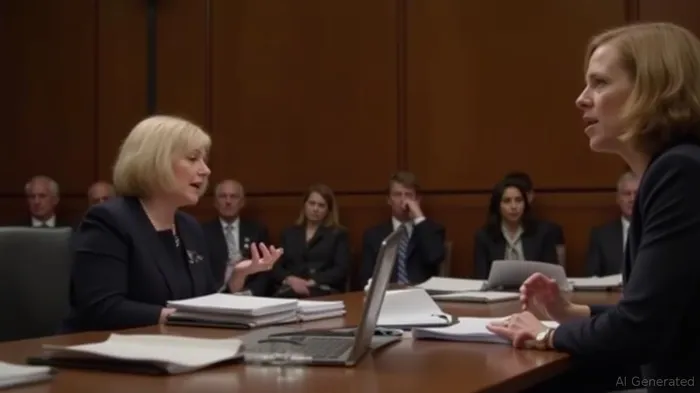
The U.S. Senate Banking Committee convened a pivotal hearing on July 9, marking a significant step towards shaping the future of the crypto landscape. The hearing underscored the need for clear rules to foster innovation and ensure market integrity. Lawmakers are striving to strike a delicate balance between fostering innovation and ensuring market integrity, with a looming September 30 deadline urging them to advance comprehensive crypto regulation.
The path to effective U.S. crypto legislation is fraught with political complexities, revealing a clear ideological divide between the two major parties. Republicans generally advocate for a more flexible, innovation-friendly approach, while Democrats express significant concerns regarding existing oversight gaps and potential conflicts of interest within the digital asset space. This bipartisan tension highlights the difficulty in crafting legislation that satisfies all stakeholders while adequately addressing the unique characteristics of cryptocurrencies.
At the heart of the Senate’s discussions lies the critical issue of digital asset oversight. Committee Chairman Tim Scott articulated the need for “clear but limited regulation” – a framework designed to protect investors without stifling the very innovation that makes the crypto space so dynamic. However, Senator Raphael Warnock raised pointed questions about the proposed legislation’s ability to adequately address conflicts of interest within the executive branch and ensure a truly fair market for all participants.
One of the primary drivers behind the legislative push is the urgent need for enhanced investor protection. The crypto market, while offering unprecedented opportunities, has also been characterized by significant volatility, scams, and high-profile collapses that have left many investors vulnerable. Lawmakers are keen to implement safeguards that shield individuals from predatory practices and ensure transparency in digital asset transactions. The proposed legislation aims to clarify responsibilities for platforms handling customer funds, establish disclosure requirements, and potentially create mechanisms for redress for defrauded investors.
The outcomes of these debates in the Senate and the upcoming considerations in the House will profoundly shape the future of crypto in the United States. A clear, well-defined regulatory landscape could unlock significant institutional investment, foster innovation within a regulated environment, and provide much-needed certainty for businesses operating in the space. Conversely, overly restrictive or unclear regulations could stifle growth, push talent and capital overseas, and hinder the U.S.’s position as a leader in financial technology.
The House is scheduled to consider its own version of the proposal next week, indicating a parallel effort to address these pressing issues. This dual-chamber approach suggests a strong governmental intent to establish a comprehensive framework, even if the specifics are still being ironed out. The coordination between the Senate and House versions will be crucial in determining the speed and efficacy of new regulations.
The ongoing debates within the U.S. Senate Banking Committee represent a defining moment for digital assets. The push for clear, balanced crypto regulation is not merely a bureaucratic exercise but a fundamental step towards integrating this transformative technology into the broader financial system responsibly. While challenges remain in reconciling differing political philosophies and technological complexities, the commitment to establishing robust digital asset oversight and ensuring comprehensive investor protection is clear. The legislative efforts in both the Senate and the House will undoubtedly pave the way for the future of crypto, aiming for a market that is both innovative and secure.

Stay ahead of the market.
Get curated U.S. market news, insights and key dates delivered to your inbox.






Comments
No comments yet