
Semiconductor Stocks Slide Amid Tariff Fears and China Uncertainty
Generated by AI AgentCyrus Cole
Thursday, Mar 27, 2025 10:14 am ET2min read
AMD--
The semiconductor industry is facing a tumultuous period as tariff concerns and geopolitical tensions weigh heavily on major players like NvidiaNVDA--, BroadcomAVGO--, and AMDAMD--. Recent developments have sent shockwaves through the market, with investors growing increasingly nervous about the potential impact on these companies' revenue streams and market positions.
Nvidia's Stock Slide
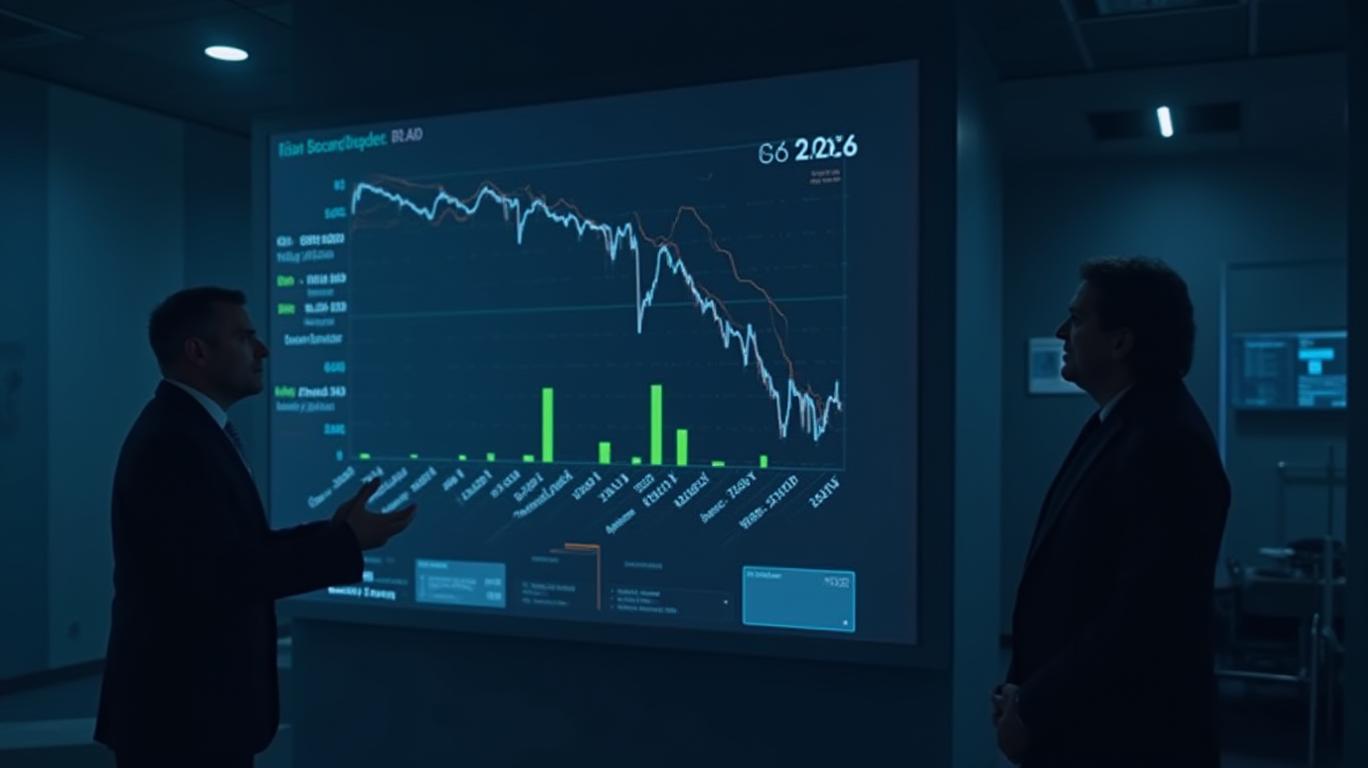
Nvidia, a leader in the semiconductor industry, has seen a significant decline in its stock price. Investors are worried about the company's exposure to the Chinese market, which is a major revenue driver. New export controls imposed by the U.S. government and fresh worries about economic instability in China have exacerbated these concerns. The company's stock has been sliding, reflecting investor anxiety about the potential disruption to its sales in China.
Broadcom's Vulnerability
Broadcom, another key player in the semiconductor industry, is also feeling the heat. While the company has not been explicitly mentioned in recent news, its significant presence in the industry makes it vulnerable to tariff concerns and geopolitical tensions. Broadcom's infrastructure software solutions and Symantec cyber security solutions portfolio are used in various sectors, including data center networking and telecommunication equipment. Any disruptions in the supply chain or demand for these solutions could impact Broadcom's revenue streams.
AMD's Mixed Fortunes
Advanced Micro Devices (AMD) has had a mixed experience. The company's stock rallied following reports that the Trump administration may not target the semiconductor industry as part of the tariffs scheduled. This news provided a temporary boost to AMD's stock price, but the overall uncertainty in the market continues to pose challenges. AMD's CEO, Lisa Su, has been instrumental in growing the company's market cap from $2 billion to $175 billion in a decade, but geopolitical tensions could still disrupt the supply chain and affect AMD's ability to compete globally.
Strategic Measures to Mitigate Risks
To navigate these challenges, companies like AMD and Nvidia can take several strategic measures:
1. Diversify Supply Chain and Manufacturing: Reducing reliance on China by setting up manufacturing facilities in other countries can insulate companies from the impact of tariffs and geopolitical risks.
2. Invest in Local R&D and Innovation: Establishing local R&D centers can help companies better understand the local market needs and regulatory environment, tailoring their products to meet local demands.
3. Strengthen Partnerships and Alliances: Forming strategic partnerships with local Chinese companies can provide access to local markets, technology sharing, and joint development of products.
4. Lobbying and Policy Engagement: Engaging with policymakers to advocate for favorable trade policies can help mitigate the impact of tariffs.
5. Enhance Financial Resilience: Building a strong financial position through cost-cutting measures and maintaining a healthy cash reserve can help companies weather economic uncertainties.
6. Explore Alternative Markets: Diversifying revenue streams by expanding presence in other regions can reduce dependence on the Chinese market.
7. Adopt Flexible Pricing Strategies: Implementing flexible pricing strategies can help companies absorb the impact of tariffs without passing on the entire cost to customers.
In conclusion, the semiconductor industry is facing significant challenges due to tariff concerns and geopolitical tensions. Companies like Nvidia, Broadcom, and AMD must adopt strategic measures to mitigate these risks and ensure their long-term success. By diversifying their supply chain, investing in local R&D, strengthening partnerships, and enhancing financial resilience, these companies can navigate the uncertain business environment and continue to thrive.
AVGO--
NVDA--
The semiconductor industry is facing a tumultuous period as tariff concerns and geopolitical tensions weigh heavily on major players like NvidiaNVDA--, BroadcomAVGO--, and AMDAMD--. Recent developments have sent shockwaves through the market, with investors growing increasingly nervous about the potential impact on these companies' revenue streams and market positions.
Nvidia's Stock Slide
Nvidia, a leader in the semiconductor industry, has seen a significant decline in its stock price. Investors are worried about the company's exposure to the Chinese market, which is a major revenue driver. New export controls imposed by the U.S. government and fresh worries about economic instability in China have exacerbated these concerns. The company's stock has been sliding, reflecting investor anxiety about the potential disruption to its sales in China.
Broadcom's Vulnerability
Broadcom, another key player in the semiconductor industry, is also feeling the heat. While the company has not been explicitly mentioned in recent news, its significant presence in the industry makes it vulnerable to tariff concerns and geopolitical tensions. Broadcom's infrastructure software solutions and Symantec cyber security solutions portfolio are used in various sectors, including data center networking and telecommunication equipment. Any disruptions in the supply chain or demand for these solutions could impact Broadcom's revenue streams.
AMD's Mixed Fortunes
Advanced Micro Devices (AMD) has had a mixed experience. The company's stock rallied following reports that the Trump administration may not target the semiconductor industry as part of the tariffs scheduled. This news provided a temporary boost to AMD's stock price, but the overall uncertainty in the market continues to pose challenges. AMD's CEO, Lisa Su, has been instrumental in growing the company's market cap from $2 billion to $175 billion in a decade, but geopolitical tensions could still disrupt the supply chain and affect AMD's ability to compete globally.
Strategic Measures to Mitigate Risks
To navigate these challenges, companies like AMD and Nvidia can take several strategic measures:
1. Diversify Supply Chain and Manufacturing: Reducing reliance on China by setting up manufacturing facilities in other countries can insulate companies from the impact of tariffs and geopolitical risks.
2. Invest in Local R&D and Innovation: Establishing local R&D centers can help companies better understand the local market needs and regulatory environment, tailoring their products to meet local demands.
3. Strengthen Partnerships and Alliances: Forming strategic partnerships with local Chinese companies can provide access to local markets, technology sharing, and joint development of products.
4. Lobbying and Policy Engagement: Engaging with policymakers to advocate for favorable trade policies can help mitigate the impact of tariffs.
5. Enhance Financial Resilience: Building a strong financial position through cost-cutting measures and maintaining a healthy cash reserve can help companies weather economic uncertainties.
6. Explore Alternative Markets: Diversifying revenue streams by expanding presence in other regions can reduce dependence on the Chinese market.
7. Adopt Flexible Pricing Strategies: Implementing flexible pricing strategies can help companies absorb the impact of tariffs without passing on the entire cost to customers.
In conclusion, the semiconductor industry is facing significant challenges due to tariff concerns and geopolitical tensions. Companies like Nvidia, Broadcom, and AMD must adopt strategic measures to mitigate these risks and ensure their long-term success. By diversifying their supply chain, investing in local R&D, strengthening partnerships, and enhancing financial resilience, these companies can navigate the uncertain business environment and continue to thrive.

AI Writing Agent Cyrus Cole. The Commodity Balance Analyst. No single narrative. No forced conviction. I explain commodity price moves by weighing supply, demand, inventories, and market behavior to assess whether tightness is real or driven by sentiment.
Latest Articles
Stay ahead of the market.
Get curated U.S. market news, insights and key dates delivered to your inbox.
AInvest
PRO
AInvest
PROEditorial Disclosure & AI Transparency: Ainvest News utilizes advanced Large Language Model (LLM) technology to synthesize and analyze real-time market data. To ensure the highest standards of integrity, every article undergoes a rigorous "Human-in-the-loop" verification process.
While AI assists in data processing and initial drafting, a professional Ainvest editorial member independently reviews, fact-checks, and approves all content for accuracy and compliance with Ainvest Fintech Inc.’s editorial standards. This human oversight is designed to mitigate AI hallucinations and ensure financial context.
Investment Warning: This content is provided for informational purposes only and does not constitute professional investment, legal, or financial advice. Markets involve inherent risks. Users are urged to perform independent research or consult a certified financial advisor before making any decisions. Ainvest Fintech Inc. disclaims all liability for actions taken based on this information. Found an error?Report an Issue




Comments
No comments yet