
Sector Rotation in the Age of Energy Transition: Navigating the 12.8 Million Barrels/Day Surge in U.S. Refinery Crude Runs
 Aime Summary
The U.S. Energy Information Administration's (EIA) latest data reveals a striking 12.8 million barrels/day surge in refinery crude runs, a figure that underscores a pivotal shift in energy markets. This surge, driven by robust industrial demand and seasonal adjustments, signals a reallocation of capital and risk across sectors. For investors, the implications are clear: a strategic rebalancing of portfolios is essential to capitalize on emerging opportunities while mitigating exposure to vulnerable industries.
The Industrial Demand Signal
Refinery crude runs have surged to levels not seen since the post-pandemic rebound of 2021, with utilization rates climbing to 90% of operable capacity in late 2025. This reflects a broader industrial renaissance, as demand for refined fuels and petrochemicals accelerates. The EIA attributes this to a combination of factors: pre-winter fuel preparation, increased manufacturing activity, and a shift in refining operations to meet winter-grade gasoline blends.
Historically, such surges have been precursors to outperformance in industrial sectors. For example, during the 2023 refinery boom, industrials outperformed the S&P 500 by 6–8% in the following quarters. Companies like CaterpillarCAT-- (CAT) and HoneywellHON-- (HON), which supply machinery and industrial chemicals, have historically benefited from elevated refining activity. The current surge suggests a similar trajectory, with industrial ETFs like XLIXLI-- poised to gain traction.
Headwinds for Fuel-Sensitive Industries
While industrial firms thrive, the auto sector faces mounting challenges. Higher crude runs have tightened petrochemical supplies, driving up input costs for plastics and lubricants. This, coupled with volatile fuel prices, has dampened consumer demand for vehicles. During a similar surge in 2023, auto ETFs like XCAR underperformed the market by 3–5%. The current environment mirrors this dynamic, with automakers like Ford (F) and General Motors (GM) likely to face margin pressures.
Moreover, the energy transition is accelerating. The EIA notes that weak gasoline demand, driven by electric vehicle (EV) adoption, is reshaping the refining landscape. While this poses long-term risks for refiners like Valero (VLO) and Marathon (MRO), it creates tailwinds for renewable energy producers and EV manufacturers. Tesla (TSLA), for instance, has seen its stock price correlate with declining gasoline demand, a trend that could intensify in 2026.
Sector Rotation Strategies: A Historical Lens
Backtesting reveals a consistent pattern: when refinery utilization exceeds 90%, energy services and industrials outperform, while utilities and consumer discretionary sectors lag. For example, during the 2021–2022 period, energy services firms like Schlumberger (SLB) and Baker Hughes (BHI) saw returns of 25–30% as crude runs surged. Conversely, refiners faced margin compression, with Valero's stock declining by 12% in the same period.
Investors should consider the following positioning:
1. Overweight Energy Producers and Industrials: Crude producers like ExxonMobil (XOM) and Chevron (CVX) benefit from stable production volumes, while industrials gain from elevated refining activity.
2. Underweight Refiners and Autos: Refiners face margin risks, and autos are vulnerable to fuel price volatility.
3. Hedge with Renewable Energy ETFs: Exposure to clean energy via ETFs like ICLN or ICNV can offset long-term risks from the energy transition.
Navigating Volatility and Policy Risks
The Federal Reserve's inflation-fighting stance remains a wildcard. Prolonged high refinery utilization could delay rate cuts, impacting sectors sensitive to interest rates. Additionally, OPEC+'s plan to unwind 2.2 million barrels/day of voluntary cuts by September 2025 introduces price volatility. Investors should hedge against these risks by diversifying energy exposure and monitoring hurricane activity in the Gulf Coast, which accounts for 45% of U.S. refining capacity.
Conclusion
The 12.8 million barrels/day surge in U.S. refinery crude runs is more than a data point—it is a signal of structural shifts in energy markets. For investors, this represents an opportunity to rotate into sectors poised to benefit from industrial demand while protecting against those exposed to fuel price volatility. By aligning portfolios with historical trends and forward-looking indicators, investors can navigate the evolving energy landscape with confidence.
In this era of energy transition, agility is key. The next chapter of sector rotation will be defined by those who recognize the signals in the data—and act decisively.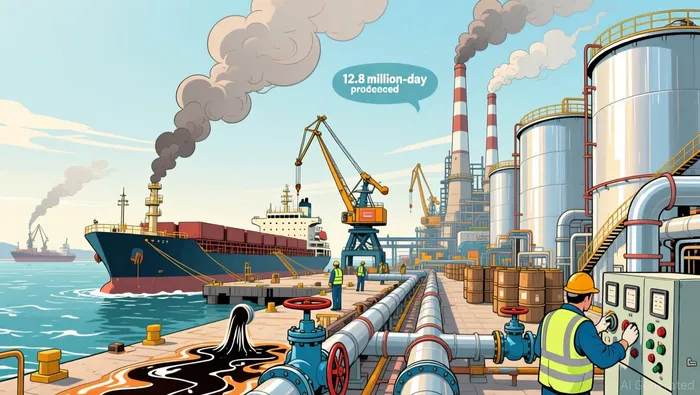

Stay ahead of the market.
Get curated U.S. market news, insights and key dates delivered to your inbox.
AInvest
PRO
AInvest
PRO



Comments
No comments yet