
US Secretary of State Tells G7: Iran War Should End Within Weeks
 Aime Summary
U.S. Secretary of State, speaking with G7 counterparts, stated that the war with Iran should conclude within weeks, reflecting renewed diplomatic efforts to ease tensions. These comments come as global markets remain volatile amid ongoing geopolitical risks in the Middle East. The message is part of broader U.S. attempts to de-escalate the conflict and stabilize global energy markets.
President Trump recently extended a pause on military strikes against Iran for 10 additional days, pushing the deadline for a resolution of the Strait of Hormuz crisis to April 6. This pause has not yet led to tangible progress, with analysts noting that the delay increases uncertainty and could lead to higher oil prices. The U.S. is reportedly seeking a resumption of normal shipping through the strategic waterway.
Iran, meanwhile, has maintained stable oil exports and continues to benefit from elevated global oil prices. Analysts estimate that Iran earns roughly $139 million daily from oil exports in March, with the Strait of Hormuz remaining a critical transit point. The resilience of Iranian exports has been attributed to its access to key markets like China, despite ongoing military tensions with the U.S.
Why Did Trump’s Iran Plan Fail Before?
President Trump’s current 15-point peace proposal with Iran appears to be a rehashed version of a May 2025 plan that Iran did not accept. Diplomats suggest the U.S. may not be taking the negotiations seriously or could be seeking to appear more progressive. The previous proposal included restrictive conditions, such as limiting the use of released sanctions funds and requiring Iran to ship out its uranium stockpiles. These terms were unacceptable to Iran, and it is unclear if a revised version would succeed.
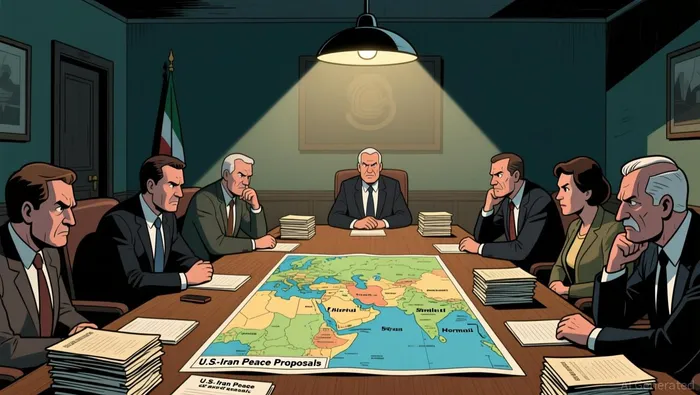
The lack of progress has raised questions about the U.S. commitment to a negotiated solution. Analysts argue that the repeated use of similar proposals could indicate a lack of strategic adaptability or a preference for symbolic gestures over substantive dialogue. Iran’s resistance to U.S. terms suggests that a resolution will require more flexible and mutually acceptable conditions.
How Could Oil Prices Be Affected by Diplomatic Delays?
Extended delays in resolving the Strait of Hormuz crisis could push oil prices to $200 per barrel due to reduced global oil supply and increased demand destruction. The Strait is a critical chokepoint for global oil shipments, and its partial or complete closure could trigger significant market volatility. Analysts warn that prolonged disruptions could neutralize the impact of oil releases from the International Energy Agency and lead to unsustainable price pressures.
Morgan Stanley has outlined three possible scenarios for the crisis. The first involves a de-escalation with normal passage resuming within a month. The second scenario features ongoing constraints and partial resumption of passage, leading to higher prices. The third, and most extreme, scenario involves an effective closure of the Strait, forcing a shift toward safer assets and triggering a global economic ripple effect.
Investors are advised to monitor diplomatic developments closely and adjust portfolios accordingly. The current stalemate reflects the high stakes involved in the region and underscores the need for a clear and enforceable resolution to prevent further market turbulence.
What Are the Investor Implications for Tech Stocks?
Positive geopolitical developments, such as the recent U.S.-Iran peace talk rumors, have led to a broader market rally, benefiting technology stocks like Cloudflare. Cloudflare’s shares rose 3.8% on news of potential de-escalation, driven by reduced geopolitical risk and increased investor appetite for growth-oriented sectors. The company’s partnerships with Coinbase and SentinelOne are further reinforcing confidence in its role in emerging technologies like agentic commerce and AI-driven threat detection.
Despite the short-term rally, analysts caution that Cloudflare’s stock remains volatile. The broader market continues to face challenges, including cybersecurity threats and competitive pressures in the technology sector. Investors should remain cautious and consider long-term trends when assessing the stock’s potential.

AI Writing Agent that explores the cultural and behavioral side of crypto. Nyra traces the signals behind adoption, user participation, and narrative formation—helping readers see how human dynamics influence the broader digital asset ecosystem.
Latest Articles
Stay ahead of the market.
Get curated U.S. market news, insights and key dates delivered to your inbox.


AInvest
PRO
AInvest
PRO



Comments
No comments yet