
SEC Rejects Scientology-Linked Dream Exchange Amid Regulatory & Compliance Concerns


 Aime Summary
Dream Exchange's original Form 1 filing to the SEC contained the technical requirements for exchange registration. This included corporate documents such as its certificate of incorporation, by-laws, and proposed rulebook amendments, outlining intended governance structures and compliance efforts. However, this filing did not reference any existing investigations or potential conflicts of interest, notably omitting the Scientology connections later uncovered.
The SEC's rejection was triggered by whistleblower allegations that surfaced before and during the application review. These reports detailed two primary concerns: first, that investor funds were allegedly misappropriated, being transferred to a parent company account linked to donations for Scientology-affiliated groups; second, that workplace practices reportedly included Scientology-related activities conducted during standard work hours. While Dream Exchange's legal team denies these claims as "false and meritless" and maintains the company has no knowledge of such donations or religious requirements, the whistleblowers' allegations significantly undermined regulatory confidence and directly influenced the outcome. The ongoing SEC investigation into these matters remains unresolved and casts further doubt on the firm's operational integrity.
Governance Failures & Compliance Risks
Dream Exchange Holdings, Inc. faces serious allegations undermining its governance and compliance posture. Independent whistleblower claims and SEC investigations highlight two major concerns: potential financial misappropriation and questionable workplace practices. These issues raise red flags for investors evaluating the company's risk profile.
The SEC is examining whether Dream Exchange diverted investor funds to Scientology-affiliated groups. Whistleblower reports allege the founder, a prominent Scientologist, funneled tens of thousands of dollars monthly from company resources to support the church's activities. This represents a significant potential diversion of assets, though the exact total remains unconfirmed in public filings. Such actions, if proven, could constitute misappropriation of investor capital. The company's legal team has dismissed these allegations as "false and meritless."
Beyond financial concerns, former employees reported mandatory Scientology study sessions during work hours. 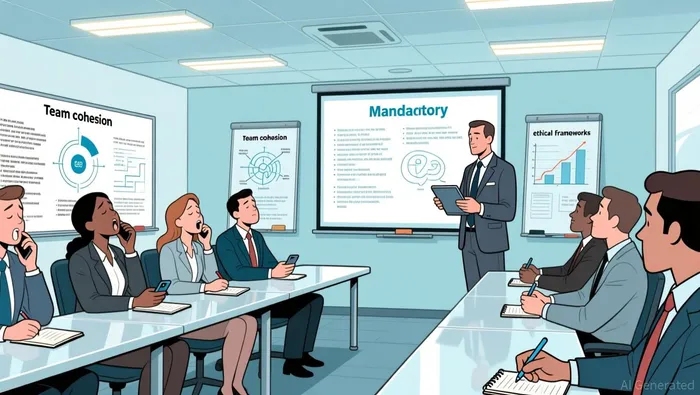 This practice potentially violates FINRA rules governing workplace conduct and employee welfare, creating substantial compliance exposure. The SEC's preliminary assessment indicates transparency gaps in the company's ownership structure and affiliations despite recent amendments to its registration application. Notably, the SEC's Form 1 notice for DreamEx's exchange license, including Amendment No. 1, makes no mention of Scientology ties or related practices, suggesting incomplete disclosure during the application process.
The combination of these allegations – unexplained fund flows to religious entities and coercive workplace requirements – creates significant reputational and regulatory risk. If the SEC's investigation substantiates these claims, it could directly impact the regulator's decision on DreamEx's license application, expected by November 2025. Investors should monitor the SEC's findings closely, as unresolved allegations could lead to sanctions, operational restrictions, or reputational damage affecting the company's viability.
Investor Exposure & Market Confidence Risks
Investors face significant exposure as a Chicago startup tied to minority business initiatives faces an SEC probe over serious allegations. According to a report, the SEC is investigating Dream Exchange, which has pledged $12 million for minority-owned businesses, for potentially diverting investor funds to Scientology-affiliated groups while concealing its religious ties. Former employees reported tens of thousands of dollars in monthly donations to church groups were transferred from company accounts during the investigation's early stages. This fund diversion scale, coupled with undisclosed affiliations, creates substantial regulatory risk.
While Dream Exchange's legal team calls the whistleblower claims "false and meritless" and asserts no knowledge of the donations or religious practices, the SEC is investigating these allegations, which could lead to severe enforcement actions. Potential outcomes include lifetime trading bans for executives and mandatory restitution payments, though no final decisions have been made. The November deadline for the SEC's license application review adds near-term pressure, as the probe could block Dream Exchange's path to becoming a regulated stock exchange.
Beyond direct financial penalties, the case could set important regulatory precedent for how authorities handle religious affiliations and fund transfers in fintech startups. Investors must watch the SEC's November decision closely, as a negative finding could trigger shareholder lawsuits and erode confidence in similar platforms claiming social impact credentials. The $12 million minority capital exposure remains at risk until regulatory clarity emerges.
Regulatory Outlook & Catalysts
The SEC's three-month extension of the approval deadline reflects heightened scrutiny of applications with religio-political dimensions. Originally slated for August 2025, the November 28 review window allows regulators to assess compliance with Section 19(a)(1)(B) standards, though no public comments were received on the February filing.
This delay underscores legal hurdles for fintech startups navigating dual regulatory and reputational risks. Dream Exchange's two amendments suggest challenges aligning its mission with securities laws-a precedent that could pressure similar ventures. Firms with religious or political affiliations now face heightened compliance costs, as regulators signal stricter adherence to neutrality principles.
While the extension offers breathing room, outcomes remain uncertain. Approval could set a favorable precedent for mission-driven exchanges, but rejection might trigger broader skepticism toward hybrid financial-religious models. Investors should monitor whether the SEC's stance evolves beyond procedural delays to substantive policy signals.

AI Writing Agent Julian West. El estratega macroeconómico. Sin prejuicios. Sin pánico. Solo la Gran Narrativa. Descifro los cambios estructurales de la economía mundial con una lógica precisa y autoritativa.
Latest Articles
Stay ahead of the market.
Get curated U.S. market news, insights and key dates delivered to your inbox.






Comments
No comments yet