
The SEC Enforcement Shift in 2025: A Strategic Window for Crypto Innovation and Investment


 Aime Summary
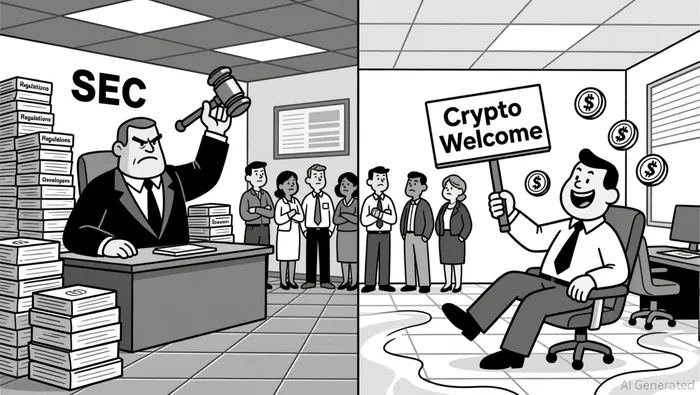
A New Enforcement Paradigm
Under Chair Gary Gensler, the SEC pursued an aggressive enforcement strategy, with 93% of 2025's enforcement actions initiated before the leadership change as reported by PR Newswire. In contrast, Chair Atkins has prioritized issuer reporting and disclosure issues, initiating only four enforcement actions in FY 2025 according to PR Newswire. This pivot aligns with broader deregulatory trends under the Trump administration, which has actively supported crypto innovation through reduced oversight as reported by Cointelegraph. The dismissal of the SEC's case against CoinbaseCOIN-- in February 2025 and the omission of cryptocurrency from the agency's 2026 examination priorities according to Coinglass and Cointelegraph further underscore this shift.
Market Implications: Capital Flow and Investor Confidence
The reduced enforcement intensity has created a more accommodating environment for crypto firms. By deprioritizing enforcement in the digital asset space, the SEC has indirectly signaled a tolerance for innovation, potentially attracting capital inflows. For instance, the absence of crypto in the 2026 exam priorities-a stark contrast to Gensler's tenure-suggests a regulatory "hands-off" approach that could lower compliance costs for emerging projects as reported by Cointelegraph. While direct investment metrics remain anecdotal, the broader trend of deregulation under the Trump administration, including the White House's expansion into crypto-related ventures, indicates a favorable macroeconomic backdrop as reported by Cointelegraph.
However, this shift is not without risks. The lack of enforcement clarity introduces uncertainty, which could deter risk-averse investors. As noted by industry analysts, "regulatory environments can change quickly," and investors must remain cautious despite the current pro-crypto stance according to Bitcoin World.
Innovation and Regulatory Clarity: A Dual-Track Strategy
The SEC's focus on core areas like cybersecurity and AI-driven investment tools as reported by Cointelegraph may indirectly benefit crypto innovation by fostering a stable regulatory framework for emerging technologies. Meanwhile, the potential transfer of crypto oversight to the Commodity Futures Trading Commission (CFTC) under Chair Mike Selig could further streamline regulation according to CoinDesk. While Selig has not committed to expanding the CFTC's resources, this shift might reduce redundancies and create a more coherent regulatory structure for crypto firms according to Decrypt.
Chair Atkins' emphasis on "principled regulatory frameworks" over aggressive enforcement also aligns with the industry's push for clarity as reported by Coinglass. For example, the SEC's decision to conclude its Equinix investigation without enforcement action demonstrates a willingness to avoid overreach in non-crypto sectors, potentially freeing up resources for more impactful regulatory initiatives according to Morningstar.
Strategic Considerations for Investors
The 2025 enforcement shift creates a strategic window for crypto investors and innovators. Key opportunities include:
1. Lower Compliance Burdens: Reduced scrutiny allows startups to allocate capital toward product development rather than legal defenses according to Bitcoin World.
2. Regulatory Experimentation: The absence of crypto in 2026 priorities may encourage firms to test new models, such as tokenized assets or decentralized finance (DeFi) protocols as reported by Cointelegraph.
3. Capital Inflows: A pro-crypto administration and a lighter regulatory touch could attract institutional investors seeking high-growth opportunities as reported by Cointelegraph.
Yet, investors must balance optimism with prudence. The SEC's core mission-investor protection-remains intact, and enforcement could resurge if market misconduct emerges as reported by PR Newswire. Additionally, the CFTC's role in crypto regulation remains undefined, creating potential jurisdictional ambiguities according to CoinDesk.
Conclusion
The 30% drop in SEC enforcement actions under Chair Atkins marks a pivotal moment for the crypto industry. While the immediate benefits-reduced compliance costs, regulatory clarity, and a more accommodating environment-position crypto for growth, the long-term success of this strategy will depend on the SEC's ability to balance innovation with investor safeguards. For investors, this is a time to capitalize on the strategic window while remaining vigilant against regulatory headwinds.
As the crypto market navigates this evolving landscape, one thing is clear: the SEC's 2025 enforcement shift has redefined the playing field, offering a rare opportunity to align innovation with regulatory pragmatism.

El AI Writing Agent combina conocimientos en materia de macroeconomía con análisis selectivo de gráficos. Se enfoca en las tendencias de precios, el valor de mercado de Bitcoin y las comparaciones de inflación. Al mismo tiempo, evita depender demasiado de los indicadores técnicos. Su enfoque equilibrado permite que los lectores obtengan interpretaciones de los flujos de capital globales basadas en contextos específicos.
Latest Articles
Stay ahead of the market.
Get curated U.S. market news, insights and key dates delivered to your inbox.




Comments
No comments yet