
SEC Ends Ripple Case, Trump Calls for Stablecoin Rules
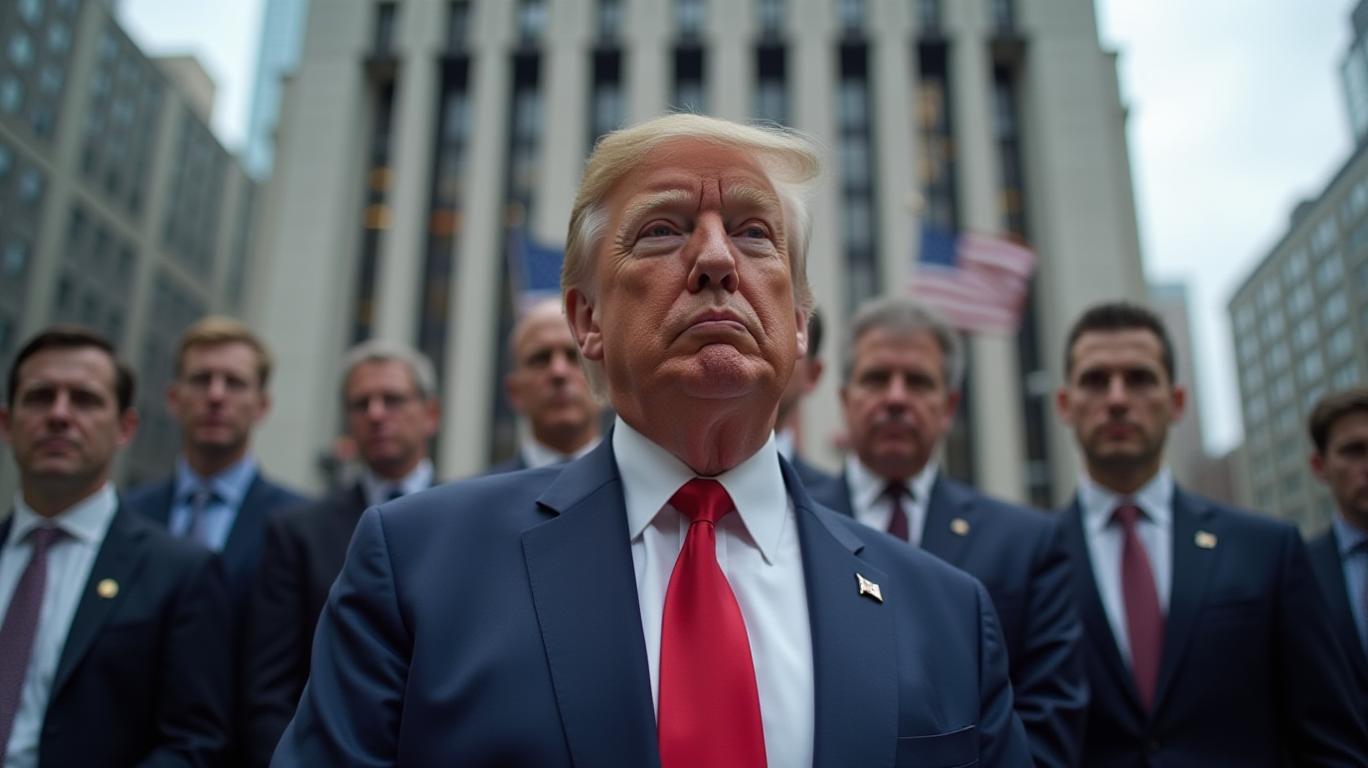
This week, the cryptocurrency regulatory landscape saw significant shifts with two major developments in the United States. The Securities and Exchange Commission (SEC) concluded its lengthy legal battle with Ripple over the classification of XRP as a security. Concurrently, Donald Trump advocated for straightforward stablecoin regulations during a virtual address at the Digital Assets Summit in New York.
Ripple's CEO, Brad Garlinghouse, announced the resolution on X, emphasizing that XRP was not deemed a security. This decision is seen as a pivotal moment for the crypto industry, potentially altering regulatory attitudes toward digital assets. Legal experts, including Seth Goertz from Dorsey & Whitney LLP, view the case's outcome as crucial in establishing legal clarity, particularly in defining when digital assets fall under securities regulations.
The resolution is expected to enhance regulatory clarity and bolster investor confidence, especially among digital asset exchanges that previously operated under uncertain legal conditions. Daniel Stabile from Winston & Strawn LLP noted that the SEC’s decision to end the case may signal a broader shift toward allowing legislative and regulatory processes, rather than litigation, to set clear guidelines for crypto markets.
Meanwhile, Trump's call for stablecoin regulation aligns with industry demands for clearer rules, balancing innovation and financial stability. If implemented, such legislation could clarify how stablecoins operate within the U.S. financial system, potentially attracting more institutional investors to the sector.
In another significant move, the U.S. Treasury lifted sanctions on Tornado Cash, an Ethereum-based mixer previously blacklisted for allegedly facilitating illicit transactions. This decision follows a reassessment of how financial sanctions apply to decentralized platforms, particularly as the crypto industry evolves. While the move marks a shift in the Treasury’s approach, officials stressed that they remain committed to combating financial crime, highlighting ongoing concerns over cyber threats and money laundering.
In Europe, Germany’s financial regulator BaFinBAFE-- took action against Ethena GmbH, freezing its asset reserves over concerns about the approval process for its USDe token. BaFin suspects that Ethena GmbH is offering unapproved securities, including USDe and sUSDe tokens, without proper authorization under the new Markets in Crypto-Assets (MiCA) regulations. This move shows the increasing regulatory pressure in the European Union as authorities enforce the recently implemented MiCA framework.
In contrast, Pakistan is exploring the legalization of cryptocurrency trading to attract international investment and stimulate economic growth. Bilal bin Saqib, chief advisor to Pakistan’s finance minister for digital assets, emphasized that the country wants to leverage its young, tech-savvy workforce to become a Web3 hub. With 60% of its population under the age of 30, Pakistan sees crypto as an opportunity for financial inclusion and technological advancement.
These developments highlight the complex and often contradictory nature of global crypto regulation. The U.S. is showing signs of a more structured regulatory framework, while Europe is tightening enforcement. Emerging markets like Pakistan are looking to embrace crypto as a means of economic growth. As regulatory approaches evolve, governments worldwide recognize crypto’s lasting role in the financial sector. The challenge now is finding the right balance between oversight, innovation, and financial security.
Whether through stablecoin regulations, sanctions revisions, or new frameworks for token approvals, the next few months could shape the future of crypto for years to come. The SEC’s retreat from heavy litigation to clear, consistent rules aims to lower enforcement burdens and create a stable regulatory environment, reducing uncertainty for crypto operators. Defining stablecoin rules can standardize market practices and lower compliance costs, boosting investor confidence and spurring innovation by cutting legal ambiguities that hinder institutional investment.
U.S. policy shifts may set international benchmarks, encouraging other nations to streamline their frameworks. A unified approach can boost cross-border investments and harmonize digital asset practices globally. Clearer rules reduce legal risks and operational uncertainty, making the market more attractive to institutions. Predictable oversight can spur long-term investments and deepen overall market engagement.

Stay ahead of the market.
Get curated U.S. market news, insights and key dates delivered to your inbox.






Comments
No comments yet