
SEC's Crypto Task Force Debates Digital Asset Regulations
The Securities and Exchange Commission's (SEC) Crypto TaskTASK-- Force held its inaugural public meeting, convening experts to deliberate on the application of securities laws to digital assets. This gathering comes as the administration seeks to reshape cryptocurrency regulations. The meeting featured notable participants, including former SEC official John Reed Stark, Miles Jennings from Andreessen Horowitz, and ex-SEC Commissioner Troy Paredes. The task force is dedicated to formulating rules and guidance for the crypto industry.
The discussion centered around whether crypto tokens should be governed by a separate set of rules distinct from those applied to traditional stocks. Jennings proposed that the SEC should adopt a "technology-neutral" approach, treating systems like Ethereum differently from owning stock in a company like AppleAAPL--. This perspective was met with mixed reactions. Some, including SEC Commissioner Caroline Crenshaw, expressed concern that creating a separate regulatory framework for crypto could weaken oversight and allow digital assets to evade stricter regulations.
John Reed Stark, former director of the SEC’s Office of Internet Enforcement, voiced strong opposition to changes in existing regulations. He argued that the Securities Act of 1933 and 1934 should remain unchanged to cover digital assets, emphasizing that they should still be classified as securities under existing laws. Stark asserted that crypto buyers are investors, not collectors, and that the SEC's mission is to protect these investors. He also highlighted the extensive legal battles that crypto firms have engaged in, often delaying regulatory actions with sophisticated legal strategies.
Stark's views have faced significant criticism. He has argued that most crypto-related cases have resulted in losses for the firms involved and that digital assets do not offer anything particularly innovative compared to previous technological advancements. In February 2024, Stark criticized a sponsorship deal between the Dallas Mavericks and crypto firm VoyagerVACH--, likening it to partnering with a "heroin manufacturer." He advocated for cryptocurrency to adhere to existing laws rather than adapting regulations to fit digital assets. Stark's stance has been met with strong opposition, with critics like Mark Cuban labeling it as "crypto derangement syndrome."
The roundtable discussion underscores the ongoing efforts to clarify the regulatory landscape for digital assets, which have seen significant growth and adoption. The debate highlights the divide within the regulatory community regarding the best approach to overseeing the rapidly evolving crypto market. Some participants expressed concerns that overly stringent regulations could stifle innovation and hinder the growth of the crypto industry, while others emphasized the importance of protecting investors and ensuring market integrity. The task force's deliberations are expected to inform future policy decisions and shape the regulatory environment for digital assets in the coming years. As the debate continues, it remains to be seen how the SEC will balance the need for innovation with the imperative to protect investors and maintain market stability. 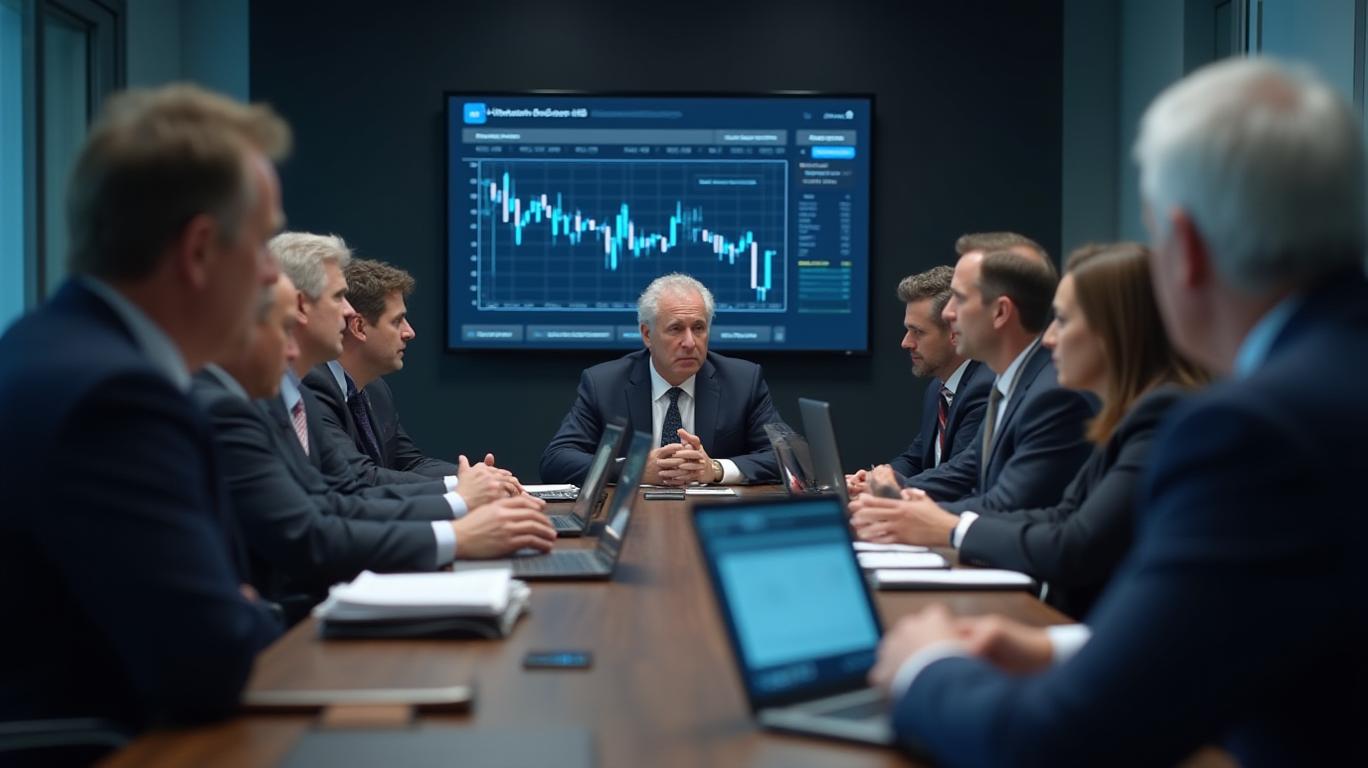

Stay ahead of the market.
Get curated U.S. market news, insights and key dates delivered to your inbox.






Comments
No comments yet