
SEC Chair Paul Atkins Pushes for Rational Crypto Asset Regulation
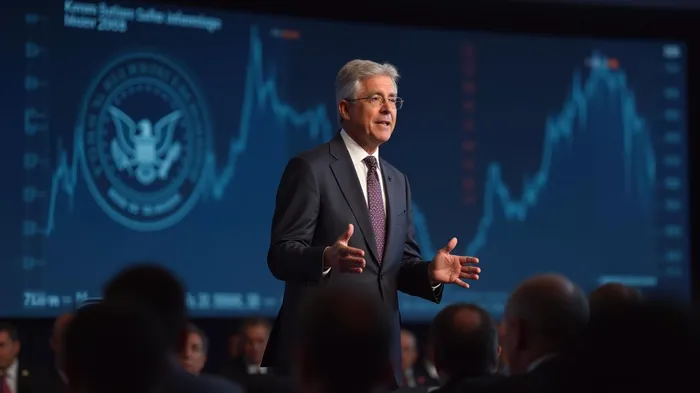
On May 12, 2025, the Securities and Exchange Commission (SEC) convened a Crypto TaskTASK-- Force roundtable to delve into the creation of an appropriate regulatory framework for tokenized securities. During the keynote address, SEC Chair Paul Atkins emphasized his primary objective: to develop a rational regulatory framework for crypto asset markets. His focus areas included the issuance, custody, and trading of crypto assets.
Atkins underscored the necessity for clear and sensible guidelines for the distribution of crypto assets that are classified as securities or subject to an investment contract. He acknowledged the difficulties market participants face in determining whether a crypto asset constitutes a security or is subject to an investment contract. Atkins also stressed the importance of disclosure obligations for certain registrations and offerings, noting that the SEC's view on certain distributions and crypto assets does not implicate federal securities laws. However, he indicated that further guidance, registration exemptions, and safe harbors may be needed to facilitate issuances.
Regarding custody, Atkins advocated for providing registrants with greater flexibility in crypto asset custody. He believed that clarity on what types of custodians fall under the “qualified custodian” rules of the Advisors Act and Investment Company Act is necessary. Atkins also supported exceptions from qualified custody requirements to allow common practices within crypto asset markets to align with these rules. He suggested that it may be necessary to repeal and replace the existing “special broker-dealer” framework, noting that broker-dealers are not restricted from acting as custodians for non-security crypto assets or crypto asset securities. However, he acknowledged that Commission action may be needed to clarify the application of customer protection and net capital rules to this activity.
In the area of trading, Atkins supported broker-dealers developing platforms that allow trading in securities and non-securities on one platform and the trading of securities for non-securities. The SEC is currently considering ways to modernize the Alternative Trading System (ATS) regulatory regime to better accommodate crypto assets. Atkins has asked staff to explore guidance or rulemaking that may enable the listing and trading of crypto assets on national securities exchanges.
Commissioner Crenshaw's remarks focused on envisioning and determining the system the United States would like to build. She highlighted key system and definitional differences that need to be determined, such as whether tokenization means issuing a security directly on the blockchain or creating a digital representation of a security on the blockchain. She also noted areas of tension with regulating these systems and the benefits and possible risks with adopting certain systems and capabilities over others. Crenshaw concluded that the scope of regulatory changes given the size of the crypto market compared to the traditional finance market should be weighed.
Commissioner Mark Uyeda focused on the benefits provided by tokenization, including greater transparency, enhanced liquidity of relatively illiquid assets, reduced delays, and decreased transactional costs. He noted that there may be increased costs associated with compliance and would like the SEC to focus on changes that ensure these benefits are realized for market participants.
The SEC Crypto Task Force is scheduled to hold additional roundtables in May and June to discuss tokenization and decentralized finance. These events aim to further explore the regulatory considerations and potential frameworks for these emerging areas within the crypto asset markets.

Stay ahead of the market.
Get curated U.S. market news, insights and key dates delivered to your inbox.


AInvest
PRO
AInvest
PRO



Comments
No comments yet