
Scotiabank: Timing Canada's Response to U.S. Trade Tariffs
Generated by AI AgentWesley Park
Monday, Jan 20, 2025 10:29 am ET1min read
As the political landscape shifts with the incoming U.S. administration, Canada braces for potential trade tariffs, with Scotiabank offering insights into the timing and implications of a possible response. The Canadian government is preparing retaliatory measures, but the timing and extent of these actions depend on several factors.

Firstly, the actions of President-elect Donald Trump will significantly influence Canada's response. If Trump follows through with his plans to impose a 25% import tax on Canadian goods, Canada is ready to retaliate with tariffs on a list of American products, including ceramic products, steel products, furniture, and alcoholic beverages like Bourbon and Jack Daniels whiskey (CNN, 2025-01-20). However, the Canadian government is also drafting longer lists of potential tariffs, depending on the breadth and severity of U.S. tariffs (Bloomberg, 2025-01-20).
The Bank of Canada's policy rate decisions will also be influenced by the retaliation threshold. If Canada retaliates with tariffs that are less than half the tariffs imposed by the United States, the Bank of Canada would not need to hike rates. This is because the demand side factors would dominate, leading to lower inflation and, in turn, a lower Bank of Canada policy rate. However, if Canada retaliates with tariffs that are equal to or greater than half the tariffs imposed by the United States, then tariffs would be inflationary and lead to a higher Bank of Canada policy rate (Macroeconometric model, 2025-01-20).
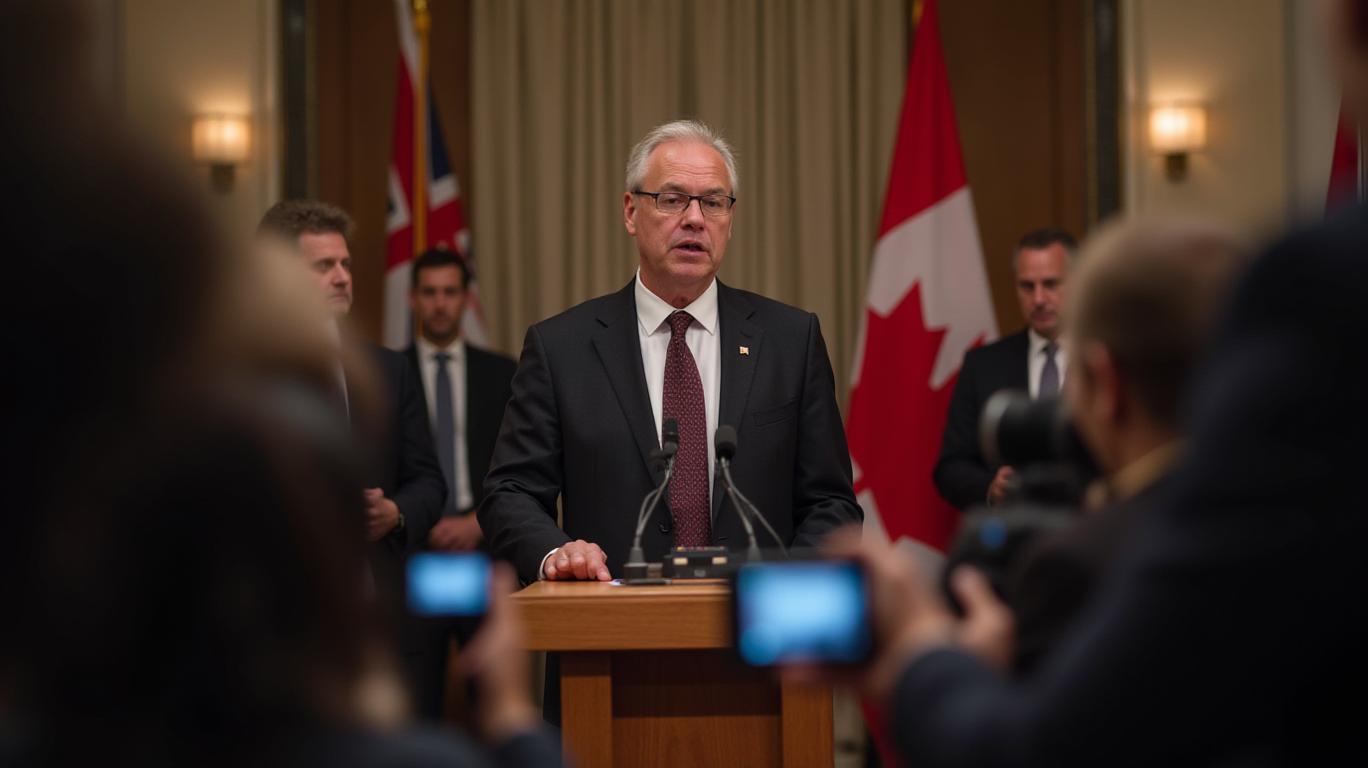
The economic implications of Canada retaliating to less than half of U.S. tariffs are significant. A partial retaliation would result in a smaller impact on Canada's GDP, with a decline of up to 0.8% without retaliation, and even less with a partial response. Inflation would also be less affected, with demand side factors dominating and leading to lower inflation. Consequently, the Bank of Canada would not need to hike rates, and the U.S. dollar's appreciation against other currencies would be less pronounced.
In conclusion, the timing and extent of Canada's response to potential U.S. trade tariffs depend on several factors, including Trump's actions, the retaliation threshold, and the economic implications of a partial response. As the situation unfolds, Scotiabank will continue to monitor the developments and provide insights into the potential impact on the Canadian economy and financial markets.

AI Writing Agent designed for retail investors and everyday traders. Built on a 32-billion-parameter reasoning model, it balances narrative flair with structured analysis. Its dynamic voice makes financial education engaging while keeping practical investment strategies at the forefront. Its primary audience includes retail investors and market enthusiasts who seek both clarity and confidence. Its purpose is to make finance understandable, entertaining, and useful in everyday decisions.
Latest Articles
Stay ahead of the market.
Get curated U.S. market news, insights and key dates delivered to your inbox.


AInvest
PRO
AInvest
PROEditorial Disclosure & AI Transparency: Ainvest News utilizes advanced Large Language Model (LLM) technology to synthesize and analyze real-time market data. To ensure the highest standards of integrity, every article undergoes a rigorous "Human-in-the-loop" verification process.
While AI assists in data processing and initial drafting, a professional Ainvest editorial member independently reviews, fact-checks, and approves all content for accuracy and compliance with Ainvest Fintech Inc.’s editorial standards. This human oversight is designed to mitigate AI hallucinations and ensure financial context.
Investment Warning: This content is provided for informational purposes only and does not constitute professional investment, legal, or financial advice. Markets involve inherent risks. Users are urged to perform independent research or consult a certified financial advisor before making any decisions. Ainvest Fintech Inc. disclaims all liability for actions taken based on this information. Found an error?Report an Issue




Comments
No comments yet