
SCO Nations Push De-Dollarization to Insulate Economies
The momentum of de-dollarization is intensifying as nations within the Shanghai Cooperation Organization (SCO) increasingly seek to reduce their reliance on the U.S. dollar in international trade. This shift is part of a broader financial reset aimed at creating a more multipolar economic landscape. The SCO, which includes countries such as China, Russia, and several Central Asian nations, is at the forefront of this movement. These countries are exploring alternative payment systems and currencies to facilitate trade, thereby diminishing the dominance of the U.S. dollar in global transactions.
The push for de-dollarization is driven by several factors. One of the primary motivations is the desire to insulate national economies from the volatility and geopolitical risks associated with the U.S. dollar. The U.S. dollar's status as the world's reserve currency has often been used as a tool of economic coercion, with sanctions and trade restrictions imposed on countries that do not align with U.S. foreign policy objectives. By reducing their dependence on the U.S. dollar, SCO nations aim to safeguard their economic sovereignty and stability.
Another significant factor is the growing economic influence of China and Russia within the SCO. Both countries have been actively promoting the use of their own currencies, the renminbi and the ruble, in international trade. China, in particular, has been expanding the use of the renminbi through initiatives such as the Belt and RoadROAD-- Initiative, which involves significant infrastructure investments across Asia, Africa, and Europe. These investments are often denominated in renminbi, encouraging other countries to hold and use the currency.
The SCO's coordinated efforts to reduce reliance on the U.S. dollar are also part of a broader strategy to enhance regional economic integration. By promoting intra-regional trade and investment, SCO nations aim to create a more resilient and self-sustaining economic bloc. This approach not only strengthens economic ties within the region but also reduces the impact of external economic shocks, such as fluctuations in global commodity prices or changes in U.S. monetary policy.
The de-dollarization trend is not limited to the SCO. Other countries, including those in the Middle East and Latin America, are also exploring alternatives to the U.S. dollar. For instance, Iran and Venezuela have been actively seeking to conduct trade in local currencies or through barter agreements to circumvent U.S. sanctions. These efforts highlight the growing global consensus that a more diversified and multipolar financial system is necessary to ensure economic stability and sovereignty.
The shift away from the U.S. dollar is likely to have significant implications for the global economy. A reduction in the demand for U.S. dollars could lead to a depreciation of the currency, making imports more expensive for the United States and potentially leading to higher inflation. Conversely, countries that successfully transition to alternative currencies may benefit from increased economic stability and reduced exposure to external shocks.
In conclusion, the de-dollarization movement within the SCO and beyond represents a significant shift in the global economic landscape. As countries seek to reduce their reliance on the U.S. dollar, they are exploring alternative payment systems and currencies to facilitate trade and enhance economic sovereignty. This trend is driven by a desire to insulate national economies from geopolitical risks and promote regional economic integration. The implications of this shift are far-reaching, with potential impacts on global trade, financial markets, and economic stability. 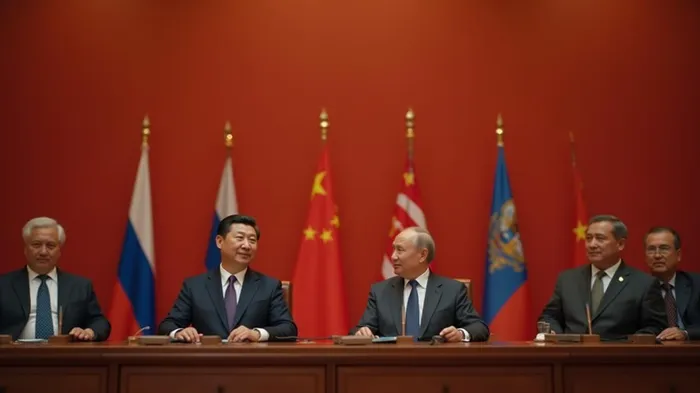

Stay ahead of the market.
Get curated U.S. market news, insights and key dates delivered to your inbox.






Comments
No comments yet