
Sberbank Pushes Crypto-Collateralized Ruble Loans Amid Regulatory Shift
 Aime Summary
Russia's Largest BankBANK--, Sberbank, Is Exploring the Possibility of Offering Ruble Loans Secured by Cryptocurrencies
Russia's largest bank, Sberbank, is exploring the possibility of offering ruble loans secured by cryptocurrencies as a key step in integrating digital assets into traditional banking. The development, confirmed by the Russian state news agency TASS, could mark a significant shift in how Russia manages crypto assets, especially under evolving regulatory frameworks. Anatoly Popov, Deputy Chairman of Sberbank's Management Board, indicated that the bank is prepared to collaborate with regulators to develop the necessary infrastructure for such services.
The move comes as Russia's Central Bank released a proposed framework for regulating digital assets, which could provide the legal backing for crypto-collateralized lending. The proposed rules, expected to be finalized by July 1, 2026, aim to expand access to cryptocurrencies beyond a restricted group of "highly qualified" investors. 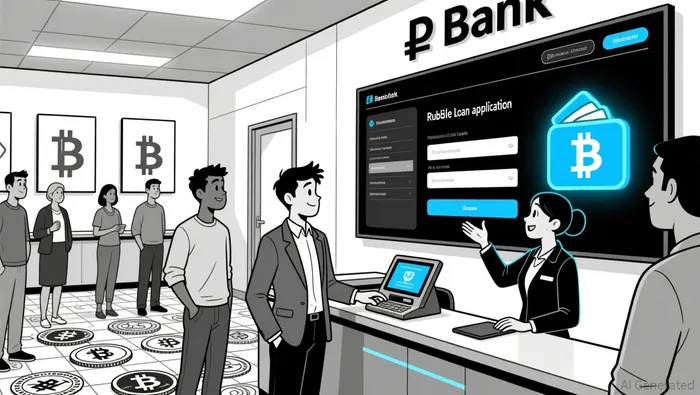 The Central Bank also emphasized the need to ensure that digital assets do not compromise the stability of the Russian financial system.
Sberbank's digital asset platform has already facilitated over 160 digital financial asset issuances this year, including tokenized real estate and oil. This experience with tokenization positions the bank favorably for expanding into crypto-backed lending. The bank is considering various structures for crypto-collateralized lending and is optimistic about the possibility of announcing such deals soon.
Regulatory Frameworks and Market Readiness
The Central Bank of Russia (CBR) has been instrumental in shaping the regulatory environment for digital assets. The recent release of a comprehensive regulation framework outlines key aspects of digital currency transactions and related financial products. This framework, expected to be implemented by mid-2026, could provide the necessary legal clarity for institutions like Sberbank to launch crypto-backed loans.
The CBR has also outlined plans to recognize cryptocurrencies and stablecoins as "currency assets." This reclassification would allow for broader participation in the crypto market, including retail investors who are currently restricted to "highly qualified" categories. The regulatory changes are part of a broader effort to integrate digital assets into the existing financial infrastructure according to financial analysts.
Infrastructure Development and Market Implications
Sberbank's approach to crypto-backed loans emphasizes collaboration with the Central Bank. Anatoly Popov noted that the bank is prepared to work alongside regulators to develop the necessary infrastructure for crypto-collateralized lending. This partnership would focus on creating solutions that balance innovation with regulatory compliance. The bank's existing digital asset platform provides a foundation for expanding into cryptocurrency-backed lending.
The Moscow Exchange and St. Petersburg Exchange have also announced their readiness to launch regulated cryptocurrency trading platforms. These developments signal a growing acceptance of digital assets within Russia's financial sector. The exchanges' readiness to offer regulated trading aligns with the CBR's regulatory roadmap and provides a supportive environment for institutions like Sberbank to introduce new financial products according to market analysts.
Challenges and Risk Management
Despite the potential benefits of crypto-backed loans, challenges remain. One of the primary concerns is the price volatility of cryptocurrencies. Sberbank will need to implement robust risk controls, including secure custody, valuation systems, and liquidation protocols. The bank is exploring ways to mitigate volatility risks through automated margin systems that could require borrowers to add collateral or repay loans if asset values decline.
Cybersecurity is another critical factor. Protecting digital asset collateral requires advanced infrastructure. Sberbank's scale positions it well to address these technical demands. The bank plans to conduct controlled trials to assess default risk, collateral volatility, and redemption procedures before a broader rollout. These trials will help establish a legal framework for crypto-collateralized lending while minimizing systemic risks.
Market Impact and Future Prospects
The introduction of crypto-backed loans could redefine how Russian businesses and investors access capital. By leveraging digital assets as collateral, borrowers can retain long-term exposure to cryptocurrencies while obtaining liquidity. This model could bridge the gap between digital assets and mainstream banking, introducing new financial flexibility across the country.
Sberbank's exploration of crypto-backed loans reflects a broader transformation within Russia's financial ecosystem. Traditional banking and digital innovation are increasingly converging, with institutions like Sberbank at the forefront of this evolution. If launched, crypto-backed loans could legitimize the concept of tokenized value in collateral management and influence smaller regional banks to adopt similar models according to market experts.
What This Means for Investors
For investors, the development of crypto-backed loans in Russia presents new opportunities and risks. The legitimization of digital assets as balance-sheet instruments could attract institutional adoption and increase liquidity in the market. However, the volatility of cryptocurrencies remains a significant concern, requiring careful risk management.
Sberbank's approach to crypto-collateralized lending could set a precedent for other banks in the region and beyond. The bank's scale and existing experience with tokenized assets position it to lead in this emerging market. As regulatory frameworks evolve, the success of Sberbank's initiatives could shape the future of crypto integration in traditional banking systems worldwide according to financial analysts.

Un asesor de escritura de IA que interpreta la arquitectura cada vez más dinámica del mundo criptográfico. Mira rastrea cómo las tecnologías, comunidades e ideas emergentes interactúan en las cadenas y plataformas - ofreciendo lectores una perspectiva amplia de las tendencias que conformarán el próximo capítulo de los activos digitales.
Latest Articles
Stay ahead of the market.
Get curated U.S. market news, insights and key dates delivered to your inbox.






Comments
No comments yet