
Saudi Retail Real Estate Booms 50% by 2027, Driven by Urbanization and International Brands
 Aime Summary
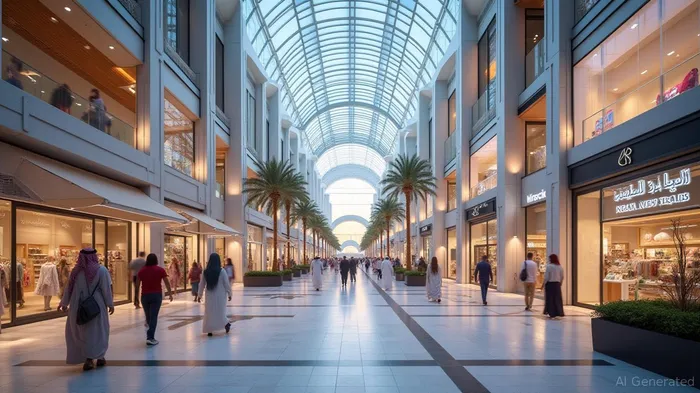
Saudi Arabia's retail real estate sector is experiencing robust growth, driven by urbanization and an influx of international brands. The trend towards modern retail formats, such as entertainment complexes and high-end shopping malls, is gaining momentum. This shift is supported by significant government investments in infrastructure and large-scale projects, which are attracting a growing number of foreign brands to the fashion, luxury goods, and dining sectors. These brands are fueling demand for high-end retail spaces, as consumers increasingly seek modern shopping experiences.
The Saudi real estate market is projected to expand significantly, with estimates suggesting that by 2029, the market size will reach 1016.2 billion dollars. This growth is underpinned by the rapid urbanization of the population and the rising disposable income of consumers. The demand for entertainment and leisure facilities is also increasing, further driving the development of retail properties. The sector is expected to continue its upward trajectory, with a focus on high-quality retail spaces that meet the evolving needs of urban consumers.
However, the sector may face challenges in the future. The report highlights the potential for oversupply, with projections indicating that the retail property supply in Riyadh and Jeddah could increase by 50% and 75% respectively by 2027. This could lead to increased competition among developers, who may need to offer incentives such as rent discounts or revenue-sharing agreements to maintain occupancy rates. Additionally, the shift towards online shopping and the demand for enhanced consumer experiences may reduce the demand for traditional department stores and large retail outlets. If these traditional retail spaces do not adapt quickly, they may face declining rental income and operational challenges.
Despite these potential challenges, the report concludes that the Saudi retail real estate sector has strong long-term growth potential. However, this potential can only be realized through accurate market positioning and prudent planning to ensure sustainable operations. The sector's success will depend on its ability to adapt to changing consumer preferences and market conditions, while continuing to attract international brands and investors.

Stay ahead of the market.
Get curated U.S. market news, insights and key dates delivered to your inbox.


AInvest
PRO
AInvest
PRO



Comments
No comments yet