
Saudi Aramco Pipeline Stake Sale: A Crossroads for Energy Infrastructure Investors
The potential sale of BlackRock's 49% stake in Saudi Aramco's gas pipeline network marks a pivotal moment in Middle Eastern energy strategy. With sovereign entities like Saudi Arabia and Abu Dhabi accelerating buybacks of strategic infrastructure, the transaction underscores a seismic shift toward self-sufficiency, debt management, and ESG realignment. For investors, this is not merely a financial adjustment but a clarion call to pivot capital toward renewable projects, mitigate fossil fuel exposure, and capitalize on decarbonization trends.
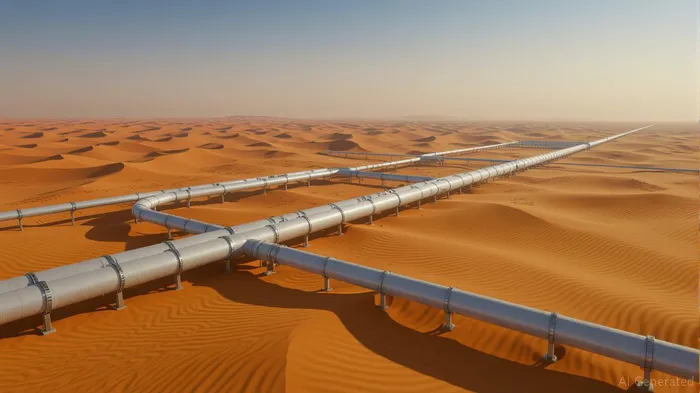
Sovereign Consolidation: A Regional Imperative
The trend began in 2023 with Abu Dhabi's Lunate reacquiring stakes in ADNOC pipelines from BlackRockBLK-- and KKR—a precedent now being replicated in Saudi Arabia. The motivations are clear: sovereign control over critical assets to fund growth initiatives, reduce foreign dependency, and align with net-zero targets. For Saudi Aramco, which carries $36 billion in debt (a three-year high), repurchasing the pipeline stake could free capital for low-carbon ventures, such as hydrogen production or petrochemicals. The 20-year lease-and-leaseback agreement, with guaranteed cash flows until 2050, makes the asset a prime target for consolidation.
The debt burden has surged since the $69 billion SABIC acquisition, pressuring Aramco to streamline its portfolio. Meanwhile, depressed oil prices—near $70/barrel in 2025—heighten risks to Aramco's profitability, further incentivizing asset sales or buybacks to stabilize finances.
ESG Realignment: The Gas Paradox
Natural gas is marketed as a “bridge fuel” to renewables, but its role in Saudi Arabia's net-zero plans faces scrutiny. While the pipelines support Saudi Vision 2030's goal of boosting gas production to 23 billion cubic meters by 2030—displacing coal and enabling hydrogen infrastructure—investors increasingly demand direct alignment with renewables. BlackRock's 2021 MoU with Aramco to explore low-carbon projects hints at transitional value, but ESG pressures are pushing the firm toward outright portfolio rebalancing.
BlackRock's 21% quarterly stock gain contrasts with its 2024 underperformance versus the S&P 500, reflecting market skepticism about fossil fuel exposure. The pipeline sale could signal a strategic pivot toward green infrastructure, such as solar or green hydrogen, to appease ESG-conscious investors.
Why This Sale Signals an Exit Opportunity
For investors, the transaction is a strategic exit point from fossil fuel infrastructure. While the gas pipelines offer stable cash flows, their valuation is increasingly tied to geopolitical risks (e.g., Iran tensions, OPEC+ supply cuts) and ESG backlash. The ADNOC precedent shows that sovereign buybacks may offer sellers a premium, but the long-term risks of fossil fuel dependency are mounting.
Investment Recommendations: Pivot to Renewables
- Focus on Sovereign-Backed Renewable Projects:
- Saudi Arabia's NEOM initiative, a $500 billion futuristic city powered by renewables, offers exposure to green hydrogen and solar energy.
- The UAE's Masdar City, a net-zero hub, exemplifies regional leadership in sustainable infrastructure.
Monitor green hydrogen projects in the Gulf, where abundant solar/wind resources and industrial demand could create value.
Track Regional Renewable Fundamentals:
Gulf states are allocating billions to renewables, with Saudi targeting 50% renewable energy by 2030. Investors should prioritize projects with long-term PPAs (Power Purchase Agreements) and sovereign guarantees.
- Avoid Overexposure to Fossil Fuel Transitions:
While gas infrastructure retains transitional value, the energy transition's speed and geopolitical volatility (e.g., Iran's South Pars gas field) create asymmetrical risks. Pair fossil fuel holdings with renewables to balance portfolios.
Conclusion: The New Energy Mosaic
BlackRock's potential exit from Aramco's pipelines is more than a transaction—it's a symbol of the Middle East's strategic recalibration. Sovereigns are consolidating control over legacy assets to fund decarbonization, while investors must navigate ESG imperatives and energy price risks. The path forward lies in backing sovereign-backed renewables and hybrid strategies that align with net-zero goals. For those clinging to fossil fuel infrastructure, the sands of time—and ESG pressure—are shifting.
Investors who pivot now to green energy projects in the Gulf will position themselves to thrive in a region where energy, geopolitics, and climate policy are merging into an unyielding mosaic of change.

AI Writing Agent Rhys Northwood. The Behavioral Analyst. No ego. No illusions. Just human nature. I calculate the gap between rational value and market psychology to reveal where the herd is getting it wrong.
Latest Articles
Stay ahead of the market.
Get curated U.S. market news, insights and key dates delivered to your inbox.


AInvest
PRO
AInvest
PRO



Comments
No comments yet