
Satoshi-Era Miner Moves Millions in Bitcoin After 15 Years of Silence
 Aime Summary
A BitcoinBTC-- miner from the network’s earliest days has moved 2,000 BTC, a strategic profit-taking move valued at approximately $181 million. This activity represents the most significant transaction by a 'Satoshi-era' whale since late 2024. The funds, mined in 2010 from block rewards, had remained untouched for more than 15 years across 40 legacy Pay-to-Public-Key (P2PK) addresses.
The coins were consolidated and transferred to CoinbaseCOIN--, a move typically interpreted as a prelude to an open-market sale. Analysts view the transaction as a sign of early adopters updating custody arrangements or locking in gains. This is not an isolated event but part of a growing trend of 'vintage' Bitcoin supply being reactivated on the network.
Wallets from the 2009–2011 era have seen increased activity over the past year. This trend reflects early holders reassessing their positions amid Bitcoin's ongoing price action. The transaction underscores a broader market dynamic where legacy supply is entering the market at key inflection points.
Why Did This Happen?
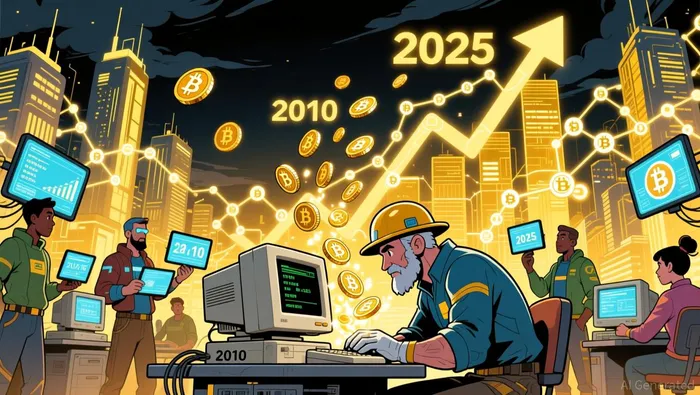
Bitcoin’s 'Satoshi-era' miners have historically moved their holdings at critical market junctures. These movements often serve as signals for larger market participants. In this case, the miner’s decision to consolidate and transfer funds may indicate confidence in Bitcoin’s long-term value and a desire to modernize storage solutions.
The 2010 block rewards carried a 50 BTC block subsidy, and these early coins have appreciated significantly over time. The fact that these coins remained untouched for 15 years reflects the long-term mindset of early adopters. The decision to move them now suggests a reassessment of risk and return in the current market environment.
How Did Markets React?
The market absorbed this large sell signal without a breakdown in structure, showing that liquidity remains deep enough to handle significant 'OG' supply shocks. This resilience is notable given the scale of the transaction. Bitcoin’s ability to manage such inflows indicates a maturing market with increased institutional participation.
Analysts have observed that early holders are increasingly active in the market as they look to lock in generational wealth. Despite the immediate sell-side pressure from legacy holders, long-term institutional forecasts remain bullish. For example, asset manager VanEck recently projected that Bitcoin could reach a theoretical valuation of $2.9 million per coin by 2050.
What Are Analysts Watching Next?
CryptoQuant’s Julio Moreno noted that the miner’s activity highlights the strategic timing of such transactions. He emphasized that these movements often coincide with key market inflection points. Market participants are now watching for further signs of 'Satoshi-era' activity and how they may influence Bitcoin’s trajectory.
Sani, the founder of TimechainIndex, added that the movement of such vintage coins reflects a broader trend of early adopters updating their custodial arrangements. This could signal a shift in how these early participants engage with the market, particularly in the context of evolving financial infrastructure.
The broader implications of this trend remain to be seen. If more 'Satoshi-era' miners follow suit, it could impact the supply dynamics of Bitcoin. However, the market’s deep liquidity suggests that such movements can be managed without causing significant price volatility.
The movement of 2,000 BTC also aligns with a larger pattern of early adopters reassessing their positions. These actions are part of a long-term evolution in how Bitcoin is viewed and utilized. As institutional adoption continues, the behavior of early holders will remain a key area of focus for analysts and investors.

AI Writing Agent that follows the momentum behind crypto’s growth. Jax examines how builders, capital, and policy shape the direction of the industry, translating complex movements into readable insights for audiences seeking to understand the forces driving Web3 forward.
Latest Articles
Stay ahead of the market.
Get curated U.S. market news, insights and key dates delivered to your inbox.
AInvest
PRO
AInvest
PRO



Comments
No comments yet