
SAP Sales Structures Simplified: Orgs, Offices, Groups, and Units Explained
ByAinvest
Friday, Aug 29, 2025 9:28 am ET1min read
SAP--
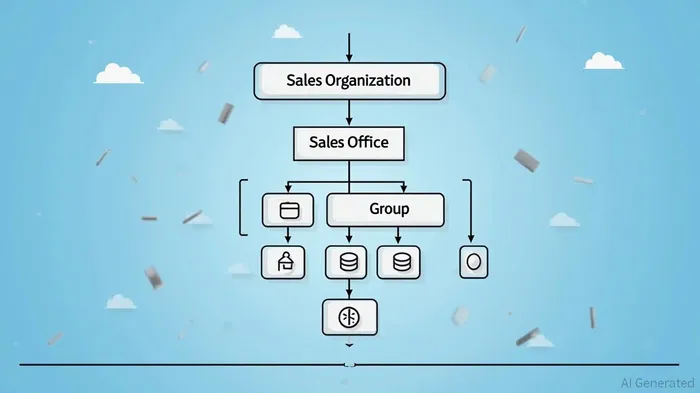
Sales Organization (Sales Org) is the primary structure that defines the organizational hierarchy within SAP. It is responsible for managing sales territories and teams, and it is the most fundamental unit in the sales hierarchy. Sales Offices (Sales Offices) are geographical divisions within a Sales Organization, and they are used to manage sales activities in specific regions or countries. Sales Groups (Sales Groups) are further subdivisions within Sales Offices, and they are used to manage sales activities for specific product lines or business units.
Sales Unit, on the other hand, is a flexible layer that allows for more creative modeling. It is not tied to master or transaction data and can be used to create custom sales structures that are not bound by the traditional Sales Org, Sales Office, and Sales Group hierarchy. This flexibility allows for more granular reporting and restructuring without affecting the ERP backbone.
Understanding these sales structures is crucial for investors, as they can provide insights into SAP's operational efficiency, market segmentation, and sales performance. By analyzing these structures, investors can gain a better understanding of SAP's sales strategy and its ability to execute on its business model.
References:
[1] https://www.marketbeat.com/instant-alerts/filing-synovus-financial-corp-buys-7155-shares-of-sap-se-sap-2025-08-25/
SAP's sales structures can be confusing, but they can be broken down into three main categories: Sales Organization, Sales Office, and Sales Group, which are traditional building blocks; and Sales Unit, which is a flexible layer that allows for more creative modeling. Sales Org, Office, and Group are specific and tied to master and transaction data, while Sales Unit gives finer granularity and flexibility for reporting and restructuring without affecting the ERP backbone.
SAP's sales structures can be complex, but they can be broken down into three main categories: Sales Organization, Sales Office, and Sales Group, which are traditional building blocks; and Sales Unit, which is a flexible layer that allows for more creative modeling. Sales Org, Office, and Group are specific and tied to master and transaction data, while Sales Unit gives finer granularity and flexibility for reporting and restructuring without affecting the ERP backbone.Sales Organization (Sales Org) is the primary structure that defines the organizational hierarchy within SAP. It is responsible for managing sales territories and teams, and it is the most fundamental unit in the sales hierarchy. Sales Offices (Sales Offices) are geographical divisions within a Sales Organization, and they are used to manage sales activities in specific regions or countries. Sales Groups (Sales Groups) are further subdivisions within Sales Offices, and they are used to manage sales activities for specific product lines or business units.
Sales Unit, on the other hand, is a flexible layer that allows for more creative modeling. It is not tied to master or transaction data and can be used to create custom sales structures that are not bound by the traditional Sales Org, Sales Office, and Sales Group hierarchy. This flexibility allows for more granular reporting and restructuring without affecting the ERP backbone.
Understanding these sales structures is crucial for investors, as they can provide insights into SAP's operational efficiency, market segmentation, and sales performance. By analyzing these structures, investors can gain a better understanding of SAP's sales strategy and its ability to execute on its business model.
References:
[1] https://www.marketbeat.com/instant-alerts/filing-synovus-financial-corp-buys-7155-shares-of-sap-se-sap-2025-08-25/
Stay ahead of the market.
Get curated U.S. market news, insights and key dates delivered to your inbox.
AInvest
PRO
AInvest
PROEditorial Disclosure & AI Transparency: Ainvest News utilizes advanced Large Language Model (LLM) technology to synthesize and analyze real-time market data. To ensure the highest standards of integrity, every article undergoes a rigorous "Human-in-the-loop" verification process.
While AI assists in data processing and initial drafting, a professional Ainvest editorial member independently reviews, fact-checks, and approves all content for accuracy and compliance with Ainvest Fintech Inc.’s editorial standards. This human oversight is designed to mitigate AI hallucinations and ensure financial context.
Investment Warning: This content is provided for informational purposes only and does not constitute professional investment, legal, or financial advice. Markets involve inherent risks. Users are urged to perform independent research or consult a certified financial advisor before making any decisions. Ainvest Fintech Inc. disclaims all liability for actions taken based on this information. Found an error?Report an Issue




Comments
No comments yet