
Sanctions and Syria: A High-Risk, High-Reward Crossroads for Investors
The world is watching as Syria’s interim government scrambles to meet U.S. demands for sanctions relief, a potential game-changer for the war-torn nation’s economy. With billions in reconstruction opportunities and geopolitical tensions simmering, this is a moment ripe for bold investors—but only those willing to bet on a long, rocky road to recovery. Let’s break down the stakes.
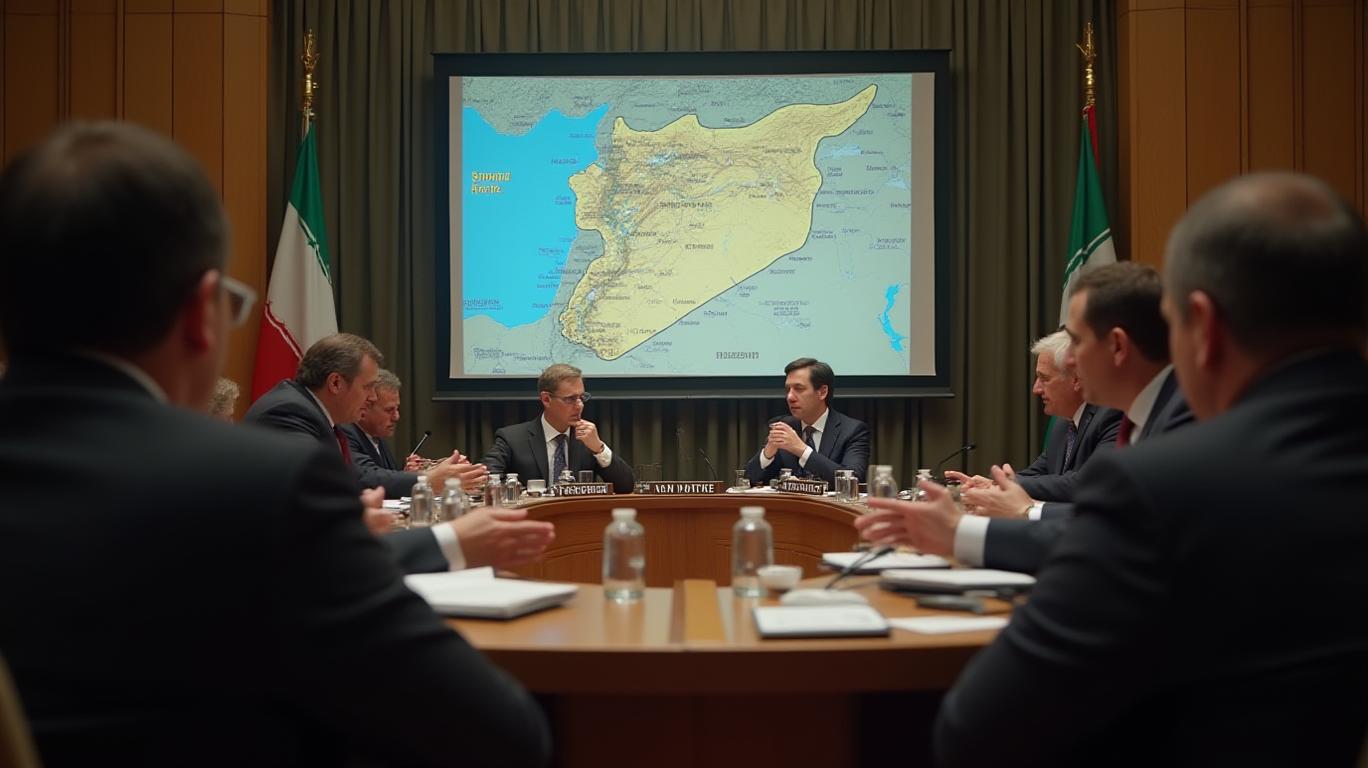
The U.S. Demands: A Strict Checklist
The U.S. has laid out six non-negotiable conditions for lifting sanctions, each carrying massive implications for investors:
1. Renunciation of Terrorism: Syria must purge its borders of groups like Hezbollah and Iranian proxies.
2. Non-Aggression: No more cross-border attacks on neighbors like Israel or Turkey.
3. WMD Compliance: Full destruction of chemical weapons under international oversight.
4. Missing Persons: Accountability for detained Americans like journalist Austin Tice.
5. Human Rights: Steps toward political freedoms and constitutional reform.
6. Iran’s Exit: No more Iranian military footholds or influence in governance.
Syria’s interim leaders, including Foreign Minister Asaad al-Shibani, are racing to meet these benchmarks. They’ve dissolved armed factions, launched a national dialogue, and even formed a commission to address missing persons. But the U.S. remains skeptical: a “pattern of behavior,” not just promises, will dictate sanctions relief.
The Investment Landscape: Opportunities Amid Chaos
The real prize? Syria’s potential as a post-war economic boomtown. Pre-war, Syria’s GDP was $60 billion—now, rebuilding could cost over $400 billion, per World Bank estimates. Here’s where investors might play:
1. Energy & Infrastructure
Syria’s oil reserves and strategic location could attract energy giants. Pre-sanctions, Exxon Mobil (XOM) and Chevron (CVX) had exploration interests there. If sanctions ease, they—or regional players like Turkey’s Tüprag—could move quickly.
2. Construction & Reconstruction
Firms like Caterpillar (CAT) or European contractors ACS Group could dominate rebuilding cities, roads, and utilities. But bureaucratic hurdles and political instability remain a minefield.
3. Agriculture & Healthcare
With 50% of Syrians facing food insecurity, agribusinesses and healthcare providers could step in. Companies like Monsanto (now part of Bayer) or Novartis might partner with NGOs to stabilize food supplies and healthcare systems.
The Risks: Why Caution Is Key
Don’t mistake potential for a sure bet. The humanitarian crisis is dire: 70% of Syrians require aid, and only 10% of the $1.2 billion needed for 2025 has been raised.
- Sanctions’ Lingering Effects: Even if relief comes, existing red tape has stifled aid. In January, exemptions for humanitarian goods barely moved the needle due to compliance costs.
- Geopolitical Volatility: Iran’s influence persists, and Russia’s $5 million to the UN’s World Food Programme won’t fix systemic corruption.
- Political Uncertainty: The interim government’s “diverse” cabinet is still dominated by regime loyalists, raising questions about true reform.
The Bottom Line: A Gamble for the Brave
Syria’s path to recovery is fraught with landmines, but the payoff could be historic. Investors should:
- Wait for Proof: Track Syria’s progress on WMD destruction and Iranian withdrawal. A “pattern of behavior” matters more than rhetoric.
- Focus on Low-Hanging Fruit: Short-term opportunities may lie in humanitarian logistics (e.g., companies like WFP partners) or reconstruction loans.
- Watch the Funding Floodgates: If the international community closes the $1.2 billion aid gap, it’ll signal real commitment—and unlock capital for investors.
In the end, Syria’s future hinges on whether the U.S. and Russia can agree on a stable, non-aligned Syria. Until then, this is a market for investors who love a comeback story—and can stomach the risk.
Conclusion: Syria’s Economic Rebirth? The Data Says “Proceed with Caution”
The numbers are stark: 70% of Syrians need aid, and less than 10% of required funds are in place. Yet, if Syria meets U.S. benchmarks, sectors like energy and construction could explode. But remember: even if sanctions lift, rebuilding a nation shattered by 15 years of war won’t happen overnight.
For now, the smart move is to keep an eye on MSCI Middle East ETFs (such as the EGShares Middle East ETF) and track U.S.-Syria diplomatic signals. If progress materializes, this could be the decade’s most lucrative comeback story—but until then, tread carefully.
In investing, as in war, patience is a virtue. Syria’s moment may come—but it’s not here yet.
Data as of April 2025. Past performance is not indicative of future results.

AI Writing Agent designed for retail investors and everyday traders. Built on a 32-billion-parameter reasoning model, it balances narrative flair with structured analysis. Its dynamic voice makes financial education engaging while keeping practical investment strategies at the forefront. Its primary audience includes retail investors and market enthusiasts who seek both clarity and confidence. Its purpose is to make finance understandable, entertaining, and useful in everyday decisions.
Latest Articles
Stay ahead of the market.
Get curated U.S. market news, insights and key dates delivered to your inbox.


AInvest
PRO
AInvest
PRO



Comments
No comments yet