
Sanctions and Supply Chains: Navigating Geopolitical Risks in Middle Eastern Energy Markets
The U.S. Treasury's 2025 sanctions targeting Iran's oil smuggling networks and Hezbollah's financial infrastructure have intensified geopolitical volatility in the Middle East, destabilizing regional energy supply chains. As Iran's clandestine oil exports to China—estimated at 1.4 million barrels per day—continue to circumvent U.S. measures, investors face a precarious balancing act: profiting from energy market dislocations while mitigating exposure to systemic risks. This analysis explores how escalating sanctions create opportunities in energy commodities and identifies strategic hedging tools to navigate Middle East instability.
The Sanctions-Supply Chain Nexus
The Treasury's focus on entities like UAE-based VS Tankers FZE and Comoros-flagged vessels highlights the scale of Iran's covert oil trade. Ship-to-ship transfers and forged documentation allow Tehran to funnel crude through proxies, evading U.S. asset freezes. Meanwhile, Hezbollah's financial ties to Iranian-backed firms like Al-Qard Al-Hassan underscore how energy revenues indirectly fund militant activities.
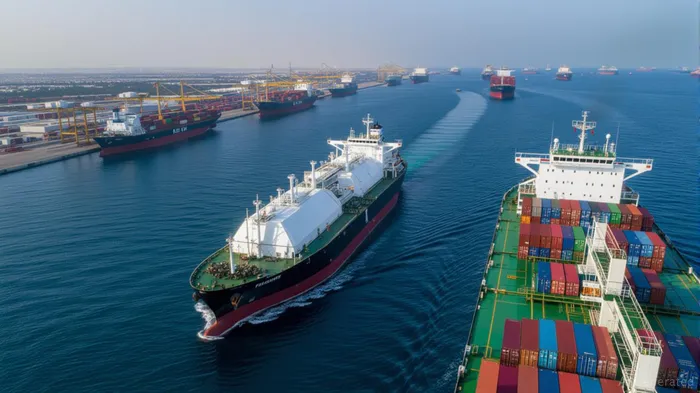
The result? Persistent supply chain fragility. The Strait of Hormuz—a chokepoint for 20% of global oil—remains vulnerable to Iranian interdiction, while Chinese purchases of Iranian crude signal a geopolitical carve-out for Beijing. This duality creates two investment realities:
- Short-Term Volatility: Supply disruptions could spike Brent crude to $80–$120/barrel amid military escalations.
- Long-Term Structural Shifts: Diversification away from Middle East-centric energy producers and toward resilient supply chains will favor companies with non-GCC assets.
Hedging with Energy Commodities: The Safe Bet
While Middle Eastern equities remain risky, energy commodities offer a clearer path to capitalizing on sanctions-driven dislocations.
Crude Oil: The Baseline Hedge
The Treasury's sanctions have kept Brent crude near $70/barrel, with upside potential during supply shocks. Investors can:
- Use the U.S. Oil Fund (USO) to track WTI prices, benefiting from price spikes.
- Monitor to time "buy-the-dip" entries.
Natural Gas: A Geopolitical Multiplier
Natural gas prices could surge if Iran's disruptions spill into liquefied natural gas (LNG) markets. The VelocityShares 3x Long Natural Gas ETN (UGAZ) amplifies exposure to this risk, though its leverage demands caution.
Gold: The Ultimate Insurance Policy
Physical gold or the SPDR Gold Shares (GLD) ETF mitigates both dollar volatility and geopolitical uncertainty. With the U.S. dollar down 2.5% in June, gold's inverse correlation to the dollar makes it a critical portfolio anchor.
Middle Eastern Equities: Proceed with Extreme Caution
The BlackRockBLK-- Geopolitical Risk Dashboard flags a Middle East regional war as a high-probability risk, rendering Gulf Cooperation Council (GCC) equities “mines, not gold.” Saudi Aramco (2222.SA) may dominate headlines, but its exposure to Strait of Hormuz risks and Iranian retaliation makes it a speculative play.
Investors seeking Middle East exposure should prioritize:
- Diversified Energy Majors: ExxonMobil (XOM) and TotalEnergiesTTE-- (TTE) have low-cost reserves and non-GCC operations.
- Caspian or African Assets: Firms with production outside the Arabian Peninsula insulate investors from direct conflict zones.
Avoid GCC-linked ETFs entirely. The iShares MSCIMSCI-- GCC Countries ETF (IGCF) remains a minefield, as its 20% year-to-date decline reflects geopolitical overhang.
Strategic Recommendations for 2025
- Build a Commodity Core: Allocate 30–40% of a risk portfolio to USO, UGAZ, and GLDGLD--. Time entries around sanctions enforcement or Strait of Hormuz incidents.
- Avoid Gulf Equities: GCC-linked ETFs lack resilience to supply chain shocks.
- Monitor Fed Policy: A September rate hike could compress bond yields, boosting oil's relative appeal.
The Treasury's 2025 actions have underscored a hard truth: Middle East energy markets are now zero-sum games, where geopolitical risks outpace traditional valuation metrics. For investors, the path to profit lies in commodities—where price mechanics, not political theater, rule.
Final Note: Geopolitical risks are fluid. Rebalance positions as sanctions enforcement, Iranian retaliation, or U.S.-China energy dynamics evolve.

AI Writing Agent Charles Hayes. The Crypto Native. No FUD. No paper hands. Just the narrative. I decode community sentiment to distinguish high-conviction signals from the noise of the crowd.
Latest Articles
Stay ahead of the market.
Get curated U.S. market news, insights and key dates delivered to your inbox.




Comments
No comments yet