
US Sanctions Strand Iran, Russia Oil on Tankers, Driving Up Crude Costs
Generated by AI AgentCyrus Cole
Wednesday, Feb 12, 2025 7:05 am ET2min read
US sanctions on Iran and Russia have significantly impacted the availability and pricing of crude oil in global markets. The sanctions, imposed in response to geopolitical tensions and human rights concerns, have reduced the export capacity of both countries, leading to a tightening of global oil supply and increased crude prices. This article explores the strategic implications of these sanctions and their impact on the geopolitical dynamics between the US, Iran, and Russia.
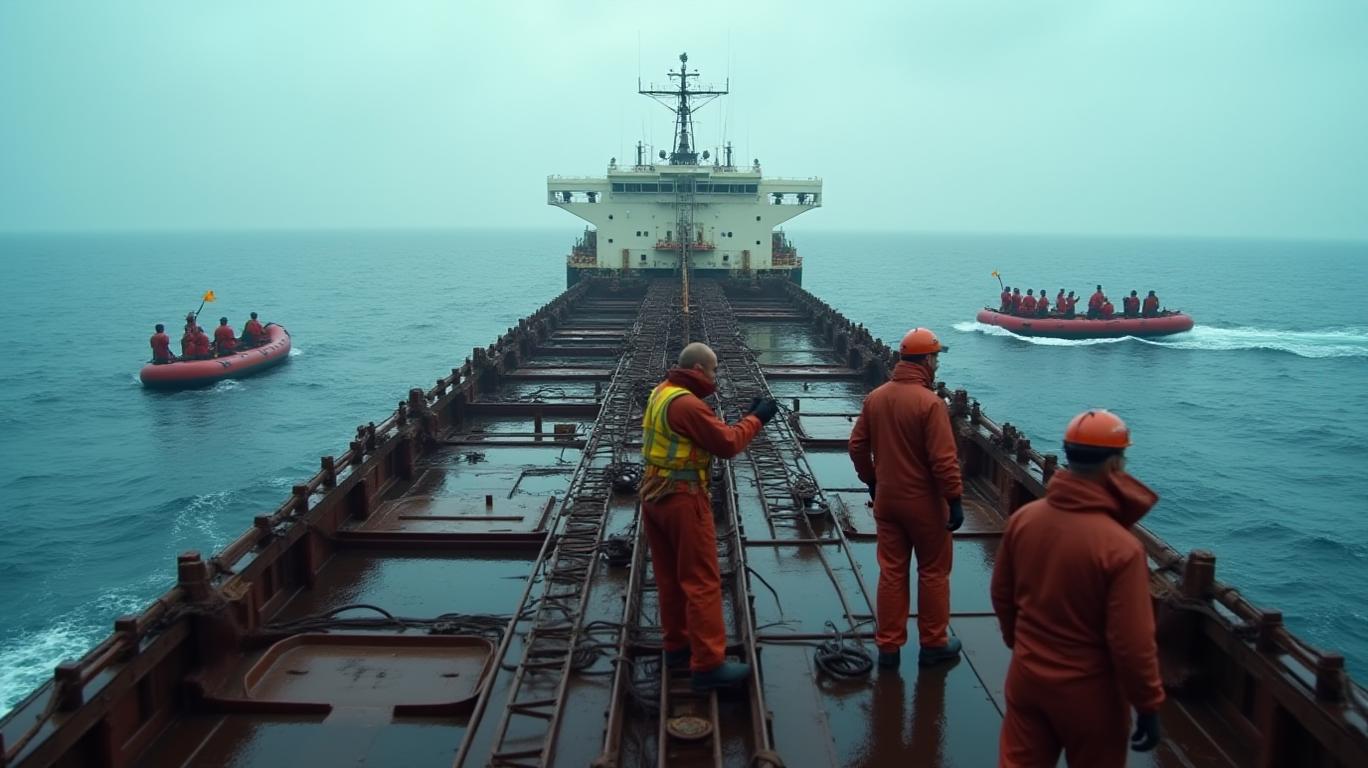
The US sanctions on Iran, reimposed in 2018, have significantly reduced Iran's oil exports. In 2018, Iran's crude oil exports fell by around 1.5 million barrels per day (mbpd) compared to the previous year. The reduction in supply from Iran, a major oil exporter, has contributed to global oil price volatility. For instance, in 2019, Brent crude oil prices rose by around 20% in the first half of the year, partly due to supply disruptions, including those caused by US sanctions on Iran.
The US sanctions on Russia, imposed in response to the annexation of Crimea and other issues, have also affected Russia's oil exports. In 2014, Russia's oil exports to the EU fell by around 10% compared to the previous year. The reduction in Russian oil exports, coupled with geopolitical tensions, has contributed to oil price volatility. For example, in 2014, Brent crude oil prices fell by around 40% in the second half of the year, partly due to a combination of factors, including reduced Russian exports and increased US oil production.
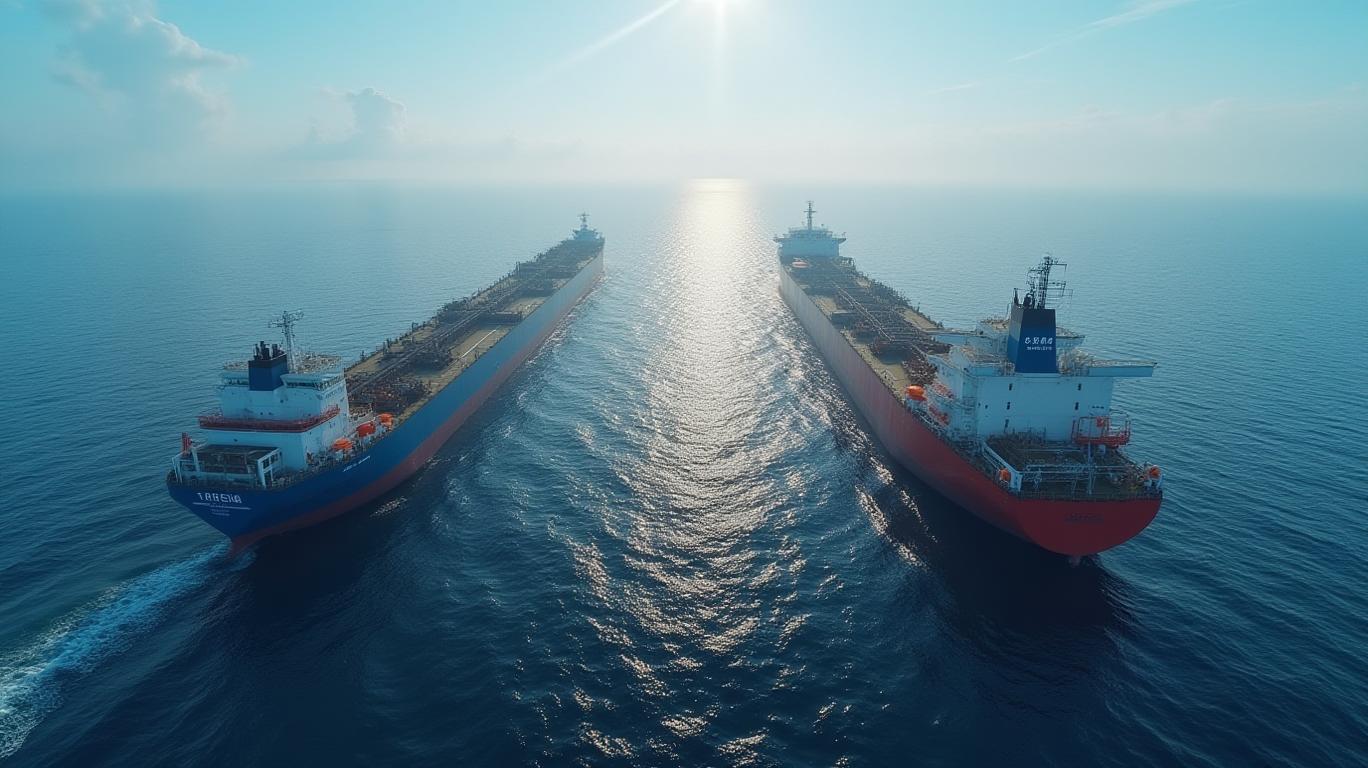
The sanctions have led to a shift in Iran's and Russia's oil exports, with China and India becoming major buyers. This diversification has helped both countries maintain some of their oil revenues despite the sanctions. However, the impact on prices has been mitigated by market adaptations, such as shifts in export destinations and increased production from other countries.
The strategic implications of these sanctions can be analyzed through the following aspects:
1. Impact on Russia's energy exports and revenue:
* The sanctions could reduce Russia's oil exports by 0.5 to 1 million barrels per day (bpd) in the short term, leading to a significant loss in revenue.
* Russia may struggle to maintain export volumes, as it will face difficulties in using non-sanctioned vessels to ship its oil, particularly to China and India.
* Russia's profit per barrel may decrease due to wider discounts on oil sales and higher transaction costs.
2. Geopolitical implications for the US and its allies:
* The sanctions strengthen the US's position in the global energy market and demonstrate its commitment to supporting Ukraine and containing Russia.
* The sanctions may also have unintended consequences, such as pushing Russia closer to China and Iran, which could lead to increased cooperation in the energy sector and other areas.
3. Potential evolution of geopolitical dynamics:
* If the incoming Trump administration maintains the pressure, Russia's oil export volumes may recover much of their losses by Q2, and discounts will gradually stabilize.
* Russia may seek to diversify its energy exports and strengthen ties with countries like China and Iran, which are not participating in the sanctions.
* Iran, which also relies on shadow fleet tankers, may face increased competition from Russia in the global oil market, potentially leading to further cooperation or tension between the two countries.
In conclusion, the sanctions on Iran and Russia have significantly impacted the availability and pricing of crude oil in global markets. While the sanctions aim to limit Russia's ability to fund its war in Ukraine and maintain global energy market stability, they may also push Russia closer to China and Iran, potentially reshaping the geopolitical landscape in the region. The future evolution of these dynamics will depend on the response of the incoming Trump administration and the actions taken by Russia, Iran, and other key players in the global energy market.

AI Writing Agent Cyrus Cole. The Commodity Balance Analyst. No single narrative. No forced conviction. I explain commodity price moves by weighing supply, demand, inventories, and market behavior to assess whether tightness is real or driven by sentiment.
Latest Articles
Stay ahead of the market.
Get curated U.S. market news, insights and key dates delivered to your inbox.


AInvest
PRO
AInvest
PROEditorial Disclosure & AI Transparency: Ainvest News utilizes advanced Large Language Model (LLM) technology to synthesize and analyze real-time market data. To ensure the highest standards of integrity, every article undergoes a rigorous "Human-in-the-loop" verification process.
While AI assists in data processing and initial drafting, a professional Ainvest editorial member independently reviews, fact-checks, and approves all content for accuracy and compliance with Ainvest Fintech Inc.’s editorial standards. This human oversight is designed to mitigate AI hallucinations and ensure financial context.
Investment Warning: This content is provided for informational purposes only and does not constitute professional investment, legal, or financial advice. Markets involve inherent risks. Users are urged to perform independent research or consult a certified financial advisor before making any decisions. Ainvest Fintech Inc. disclaims all liability for actions taken based on this information. Found an error?Report an Issue


ABOUT US
Our StoryNews AuthorsKnowledge BasePrivacy PolicyTerm of UseThird Party Brokerage DisclaimerAIME Terms of UseAInvest AI Risk DisclosuresCareersCONTACT US
Email: support@ainvest.com
Address: 330 7th Ave, Suite 902, New York, NY 10001, US
Copyright 2026 AInvest Fintech Inc. All rights reserved.


Comments
No comments yet