
U.S. Sanctions Drive Venezuela's Crypto Crackdown and Energy Sector Turmoil


 Aime Summary
Venezuela has intensified its crackdown on cryptocurrency activities, a move analysts link to the U.S. sanctions regime and heightened geopolitical tensions in the region. The country's reliance on foreign oil partners, such as Chevron Corp.CVX--, has become a focal point as U.S. military and regulatory pressure mounts. Meanwhile, global crypto developments, including Turkmenistan's planned state-controlled crypto framework and Tether's exit from Uruguay, highlight the evolving regulatory landscape for digital assets.
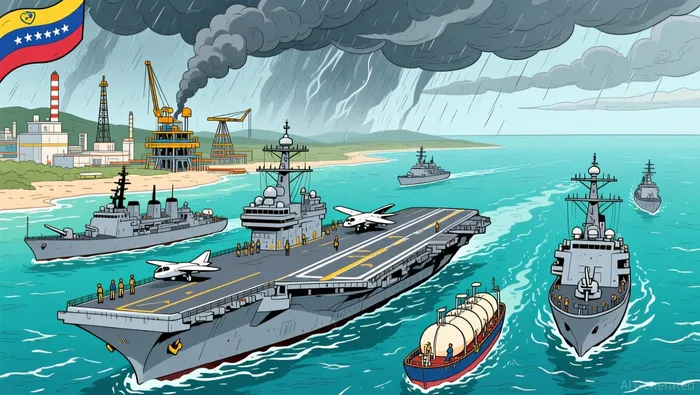
The U.S. designation of Venezuela's military-linked Cartel de los Soles as a foreign terrorist organization has raised legal and operational risks for foreign oil companies. ChevronCVX--, which operates in Venezuela, faces challenges amid tightened compliance requirements and potential extraterritorial liability under U.S. law. The company's recent decision to supply naphtha - a key feedstock for oil production - via a U.S.-bound ship underscores the logistical hurdles caused by restricted access to Russian supplies after a U.S. warship blocked a Russian tanker. This shift reflects Venezuela's struggle to maintain oil production amid infrastructure breakdowns, such as a recent explosion at a naphtha separation facility.
The U.S. military buildup in the Caribbean, including a visit by the Joint Chiefs of Staff to Puerto Rico, has further escalated tensions. Defense Secretary Pete Hegseth has hinted at potential land strikes against Venezuela, though no formal plans have been disclosed. This military presence coincides with the Trump administration's broader strategy to isolate Nicolás Maduro, including the FTO designation, which experts argue complicates operations for companies like Chevron. Jeremy Paner, a sanctions lawyer, noted that the designation creates ambiguity for firms navigating interactions with the Venezuelan military, which controls critical infrastructure like ports.
 Beyond oil, Venezuela's crypto crackdown aligns with global regulatory trends. Turkmenistan, for instance, has legalized crypto trading under strict state control starting in 2026, requiring licensing, AML compliance, and central bank oversight. Meanwhile, Tether's exit from Uruguay due to rising energy costs illustrates the challenges of balancing renewable energy goals with profitability in the crypto sector. These developments highlight the delicate balance governments and firms must strike between innovation, regulation, and geopolitical pressures.
The U.S. sanctions and military posturing have also disrupted Venezuela's aviation sector. International airlines, including Air Europa and Iberia, have suspended flights to Caracas amid FAA warnings about heightened risks. This further isolates the country, which already faces severe economic and humanitarian crises.
As the U.S. and Venezuela navigate this volatile landscape, the interplay between energy, crypto, and geopolitics underscores the complexity of global markets. For companies like Chevron, the path forward requires navigating a minefield of sanctions, compliance risks, and operational challenges - all while the world watches how state actors and regulators shape the future of digital assets and energy security.

Stay ahead of the market.
Get curated U.S. market news, insights and key dates delivered to your inbox.




Comments
No comments yet