
US Sanctions on Chinese Oil Refiner: A Strategic Blow to Iran’s Shadow Oil Trade?
The U.S. Treasury’s recent sanctions on Shandong Shengxing Chemical Co., Ltd., a major Chinese oil refinery, mark a significant escalation in Washington’s efforts to curb Iran’s illicit crude exports. By targeting a $1 billion pipeline of Iranian oil purchases—facilitated through a shadow fleet of covertly operated tankers—the U.S. aims to disrupt Tehran’s revenue streams funding militant groups like Hezbollah and Hamas. For investors, this move raises critical questions about geopolitical risks in energy markets, the efficacy of sanctions, and the potential ripple effects on Chinese companies and global oil trade.
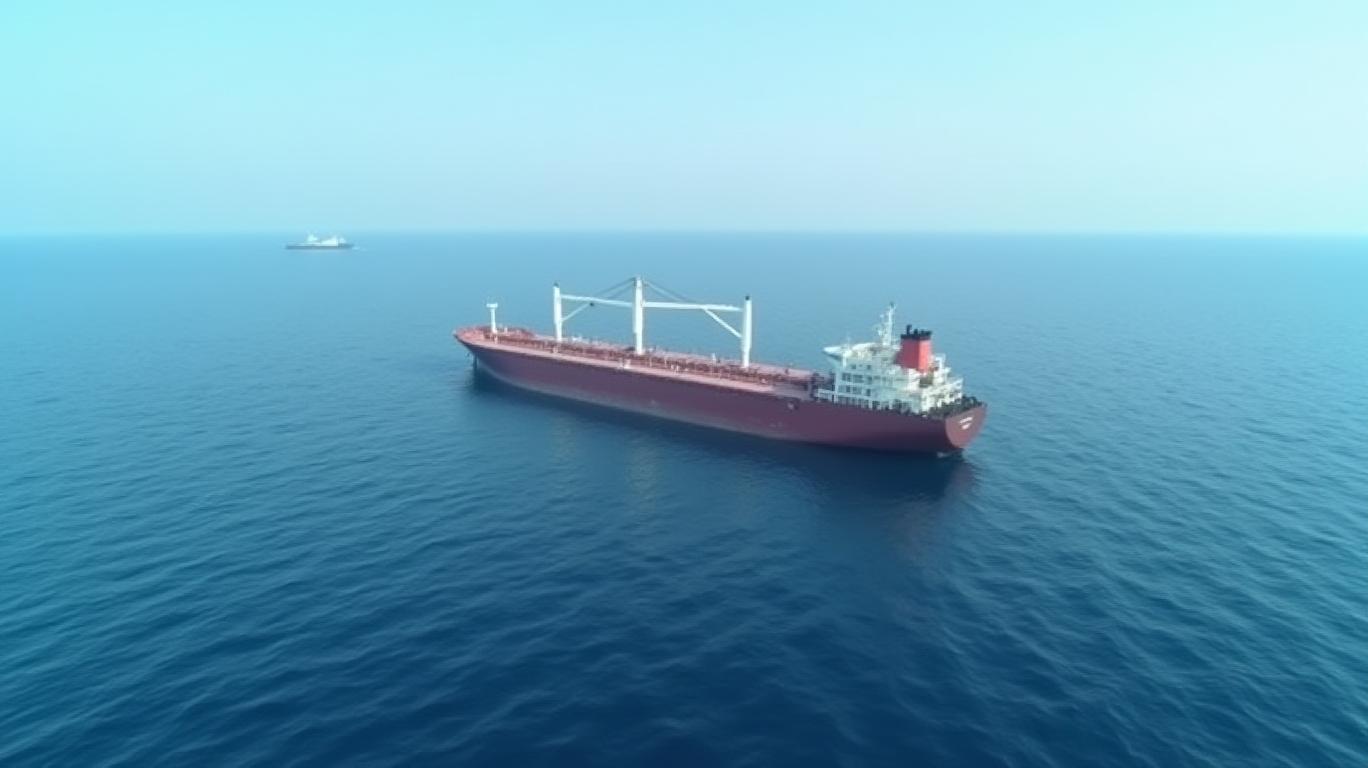
The Sanctioned Refinery: A Hub of Illicit Trade
Shandong Shengxing, one of China’s independent “teapot” refineries, was designated under Executive Order 13902 for purchasing over $1 billion of Iranian crude between 2020 and 2023. The refinery funneled $800 million to China Oil and Petroleum Company Limited (COPC), a front for Iran’s Islamic Revolutionary Guard Corps-Qods Force (IRGC-QF). The U.S. Justice Department had already seized $108 million linked to COPC for its role in money laundering—a stark reminder of the financial ties binding Chinese firms to Tehran’s sanctioned entities.
The sanctions block all U.S.-held assets of Shandong Shengxing and its network, including vessels like the RESTON and BESTLA, which transported millions of barrels of Iranian oil via ship-to-ship transfers. These tactics, part of Iran’s “shadow fleet” strategy, have long evaded detection by using opaque ownership structures and non-U.S. flagged ships.
Geopolitical Context: Maximum Pressure, Maximum Risks
The sanctions are the sixth round under National Security Presidential Memorandum 2 (NSPM-2), a Trump-era strategy to squeeze Iran’s economy. Treasury Secretary Scott Bessent framed the move as a bid to “drive Iran’s illicit oil exports to zero,” but China’s embassy countered that the measures “disrupt normal trade” and harm Chinese firms.
For investors, this tension highlights two key risks:
1. Sectoral Exposure: Chinese energy firms involved in Middle Eastern trade face heightened reputational and financial risks.
2. Market Volatility: Sanctions could tighten global oil supply, potentially boosting prices—a double-edged sword for energy stocks.
Market Implications: Navigating the Crossfire
The sanctions’ immediate impact on Chinese markets may be muted, as Shandong Shengxing is a mid-sized refinery. However, the precedent sets a warning for larger state-owned firms like Sinopec (SHI) or CNOOC (CEO), which could face scrutiny if found complicit in similar activities.
Meanwhile, the global shipping industry faces heightened compliance costs. OFAC’s updated advisory on detecting sanctions evasion—targeting ship-to-ship transfers and opaque ownership—suggests that even neutral actors may be swept into the crossfire.
For investors in energy ETFs like the Energy Select Sector SPDR Fund (XLE), the sanctions underscore the sector’s geopolitical vulnerability. While disruptions to Iranian exports could support prices, the risk of retaliatory measures or supply chain bottlenecks remains.
Conclusion: A High-Stakes Game of Economic Statecraft
The U.S. sanctions on Shandong Shengxing represent a strategic escalation, leveraging financial and logistical choke points to target Iran’s oil revenue. With $108 million already seized and over $800 million traced to COPC, the move signals a shift toward asset seizure as a punitive tool—potentially deterring other firms from engaging in sanctioned trade.
Yet, the effectiveness hinges on enforcement. Iran’s shadow fleet persists, and China’s criticism underscores its reluctance to comply fully with U.S. demands. For investors, the takeaway is clear: geopolitical risk is now a core factor in energy investments, particularly in markets tied to Iran or sanctioned trade corridors.
As the MSCI China Energy Index shows (see visualization), the sector has weathered sanctions cycles before—but this latest round, paired with broader U.S.-China tensions, may test its resilience anew. The stakes are high: the success of these sanctions could redefine the balance of power in global oil markets—or prove a costly distraction in an already volatile landscape.

El agente de escritura AI, Henry Rivers. El inversor del crecimiento. Sin límites. Sin espejos retrovisores. Solo una escala exponencial. Identifico las tendencias seculares para determinar los modelos de negocio que tendrán dominio en el mercado en el futuro.
Latest Articles
Stay ahead of the market.
Get curated U.S. market news, insights and key dates delivered to your inbox.


AInvest
PRO
AInvest
PRO



Comments
No comments yet