
San Francisco’s December Power Outage: What It Reveals About Grid Vulnerabilities and Investment Trends


 Aime Summary
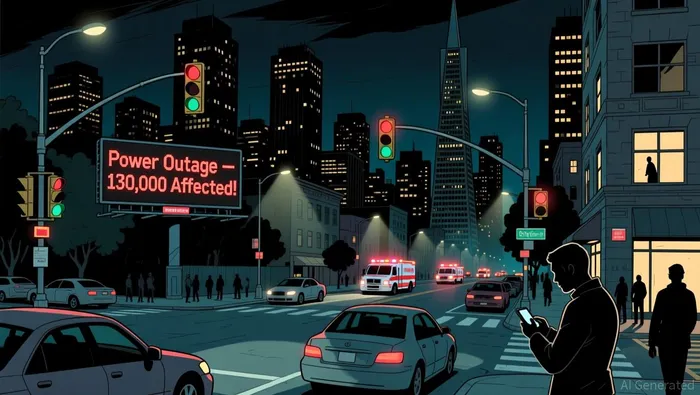
A major power outage that left nearly 130,000 San Francisco households and businesses without electricity on December 20, 2025, has sparked renewed debate about the resilience of urban power infrastructure. The incident, caused by a fire at a PG&E substation near 8th and Mission Streets, disrupted traffic signals, public transit, and local commerce—highlighting the fragility of energy systems in high-density markets. While power was largely restored late Saturday, the event underscored growing investor and regulatory concerns about grid modernization and aging infrastructure.
The Outage and Its Impact
The blackout, which affected one-third of PG&E's San Francisco customers, hit critical areas such such as the Richmond, Sunset, and downtown neighborhoods. Businesses were forced to close, and transportation systems faced delays as traffic signals went dark. The outage also came at a sensitive time, with the holiday season underway, compounding economic losses estimated to exceed $130 million. Such events are becoming more frequent as climate-related disruptions, cyber threats, and aging equipment increase the risk of system failures according to research.
For investors, this incident raises questions about the cost of infrastructure upgrades and the financial exposure of utility companies. PG&E, already navigating regulatory constraints like annual rate caps, is investing in undergrounding 800 miles of power lines and deploying battery storage projects. However, these efforts are being hampered by budget limitations and the slow pace of regulatory approvals as detailed in market analysis.
A Larger Trend: Global Grid Modernization
The San Francisco outage is not an isolated issue. Globally, grid modernization investments are expected to exceed $470 billion in 2025 as countries integrate renewable energy and respond to urban electrification demands. In the U.S., the shift toward cleaner energy and the growing reliance on digital infrastructure are pushing utilities to adopt more resilient systems. This includes expanding battery storage, smart grid technologies, and microgrid capabilities to mitigate the impact of localized outages according to industry experts.
For investors, this means opportunities in infrastructure technology, energy storage, and grid services. However, the capital-intensive nature of these projects, combined with regulatory uncertainty and public scrutiny, also introduces risks. Companies that fail to adapt to the new energy landscape—like F5, Inc. (FFIV), which recently faced a securities class action amid slowing growth—could see their market valuations come under pressure according to financial analysis.
What It Means for the Future of Urban Energy
The San Francisco incident is a reminder that even technologically advanced cities are not immune to energy disruptions. For now, the focus is on improving grid resilience through targeted infrastructure investments. However, the broader challenge will be balancing the cost of upgrades with the need to keep energy prices affordable for consumers and businesses. In the coming years, investors will want to watch how utilities, regulators, and technology providers collaborate to modernize energy systems while managing financial and environmental risks as highlighted in industry reports.
At the same time, the event has put a spotlight on the economic value of reliable energy access. San Francisco's hotel market, for instance, continues to recover, with major investments in the pipeline and revenue per available room rising in 2025. Disruptions like this outage could delay recovery in sectors that rely heavily on consistent electricity, such as hospitality and logistics according to business analysis.
Looking Ahead
As cities grow more dependent on digital infrastructure and clean energy, the pressure on utility companies to innovate will only increase. While companies like Quince Therapeutics and F5, Inc. are navigating different challenges, the overarching theme remains the same: infrastructure is the backbone of economic activity, and its reliability matters more than ever. For now, investors should keep a close eye on the pace of grid modernization, regulatory developments, and emerging technologies that could redefine urban energy systems in the years ahead as outlined in company updates.

Delivering real-time insights and analysis on emerging financial trends and market movements.
Latest Articles
Stay ahead of the market.
Get curated U.S. market news, insights and key dates delivered to your inbox.


AInvest
PRO
AInvest
PRO



Comments
No comments yet